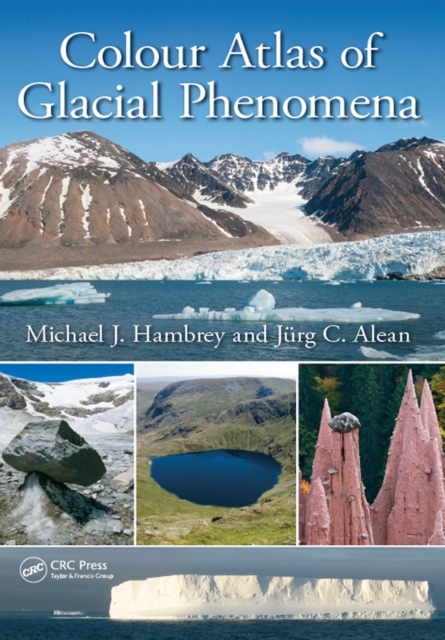
Considering that glaciers and ice sheets cover about 10% of the Earth's land surface in a world where human civilization is increasingly impacted by the effects of changing glacial activity, Colour Atlas of Glacial Phenomena presents itself as an indispensable guide for students, professionals, and researchers who want to be better informed while studying and tracking the future influences of glaciers and ice sheets on the global environment.
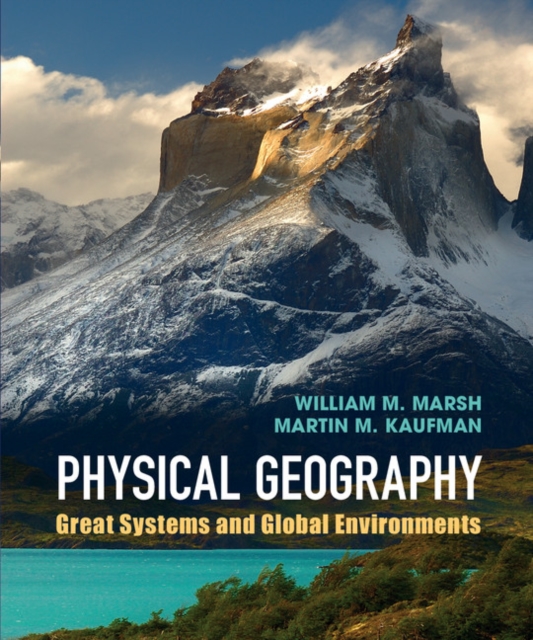
A systems-based approach to physical geography written in an easy-to-understand narrative style that is closely integrated with clear, single-concept illustrations.
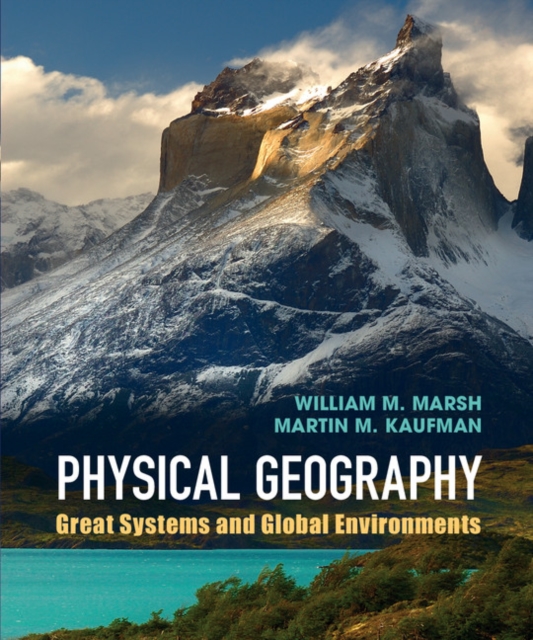
A systems-based approach to physical geography written in an easy-to-understand narrative style that is closely integrated with clear, single-concept illustrations.
This edited volume provides a critical discussion of particular trends that are widely recognised to influence water management by comparing them with what is actually happening in the field.
This book argues that a variety of policies will be required to create synergies between the water-energy-food nexus sectors while reducing trade-offs in the development of a green economy.
This book offers new research on urban policy innovations that promote the application of blue-green infrastructure in managing water resources sustainably.
This book examines the role and practical dynamics of governmental environmental law enforcement agencies and individuals who combat environmental crime.
In this book, a celebration of the work of the sociologist Peter Dickens serves as the catalyst for exploring the relationship between human 'internal nature' (our health and psychological well-being) and 'external nature' (the environment on which we depend and which we collectively transform).
Launching the landmark Performing Landscapes series, Performing Mountains brings together for the first time Mountain Studies and Performance Studies in order to examine an international selection of dramatic responses to mountain landscapes.
This book introduces a new approach to environmental sociology, by integrating complexity-informed social science, Marxian ecological theory, and resilience-based human ecology.
In this book, Po-Yi Hung uses tea production as a lens to investigate the tension between nature and society under the market economy in frontier China.
Radical Environmentalism: Nature, Identity and More-than-human Agency provides a unique account of environmentalism - one that highlights the voices of activists and the nature they defend.
This book advances a social-ecological theory to reconnect nature and society through sustainable transformation of interacting social and ecological systems.
This book elaborates the need, in a rapidly urbanizing world, for recognition of the ecological communities we inhabit in cities and for the development of an ethics for all entities (human and non-human) in this context.
A comprehensive examination of the inability of liberal capitalism to generate the technological innovations necessary to prevent dangerous climate change.
Experts from business, academia, governmental agencies and non-profit think tanks to form a transnational and multi-disciplinary perspectives on the combined challenges of environmental sustainability and energy security in the United States and Germany.
Offering new historical understandings of human responses to climate and climate change, this cutting-edge volume explores the dynamic relationship between settlement, climate, and colonization, covering everything from the physical impact of climate on agriculture and land development to the development of "folk" and government meteorologies.
Asoka Bandarage provides an integrated analysis of the twin challenges of environmental sustainability and human well-being by investigating them as interconnected phenomena requiring a paradigmatic psychosocial transformation.
Researchers and practitioners explore the effect of evolving global economic and political powers on energy security within the UK and puts forward practical options for moving towards a more energy secure system over both the short and long terms.
Bringing together contributions from leading researchers, this volume reflects on the political, institutional and social factors that have shaped the recent expansion of wind energy, and to consider what lessons this experience may provide for the future expansion of other renewable technologies.
The owner of West Indian plantations, McQueen collected extensive information from slaves which led him correctly to the conclusion that the Niger ended in the great delta of the Blight of Benin.
The owner of West Indian plantations, McQueen collected extensive information from slaves which led him correctly to the conclusion that the Niger ended in the great delta of the Blight of Benin.
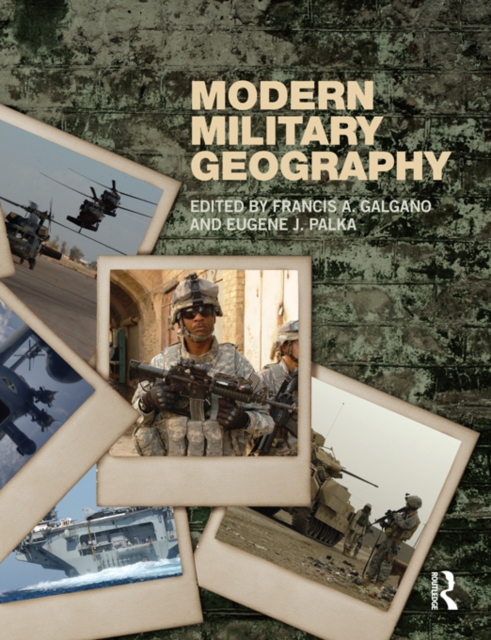
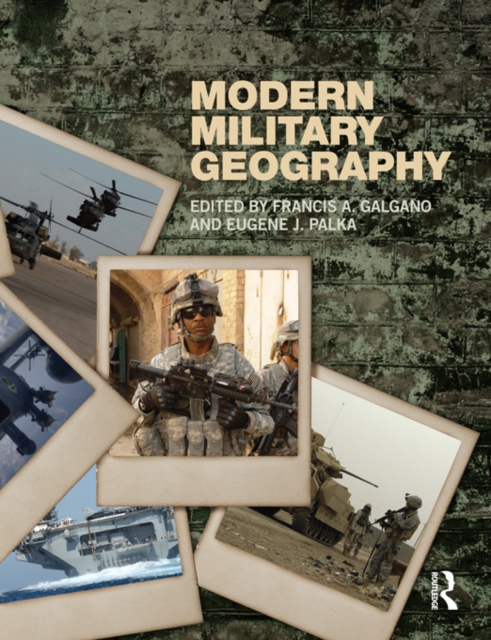
This book of contributed chapters by subject matter expertly provides an overview and analysis of salient contemporary and historical military subjects from the military geographers perspective.
This book of contributed chapters by subject matter expertly provides an overview and analysis of salient contemporary and historical military subjects from the military geographers perspective.
In port cities around the world, waterfront development projects have been hailed both as spaces of promise and as crucial territorial wedges in twenty-first century competitive growth strategies.
In port cities around the world, waterfront development projects have been hailed both as spaces of promise and as crucial territorial wedges in twenty-first century competitive growth strategies.
First published in 1988, this work provides a comprehensive picture of the range of physical environments in Africa, focusing upon those characteristics and issues central to the management of environmental resources.
First published in 1988, this work provides a comprehensive picture of the range of physical environments in Africa, focusing upon those characteristics and issues central to the management of environmental resources.
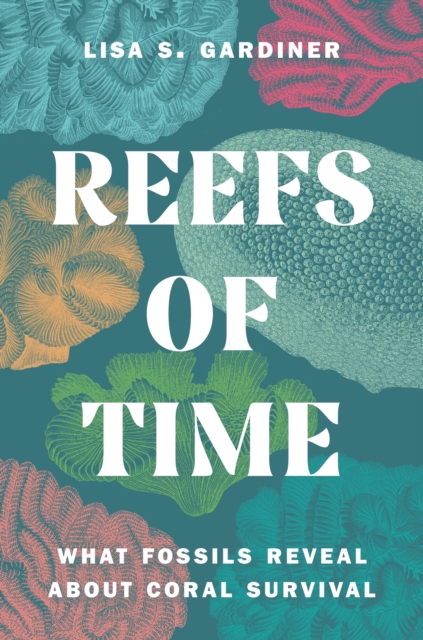
How fossilized reefs hold clues to the survival of corals in the AnthropoceneWith rising global temperatures, pollution, overfishing, ocean acidification, and other problems caused by humans, there's no question that today's coral reefs are in trouble.