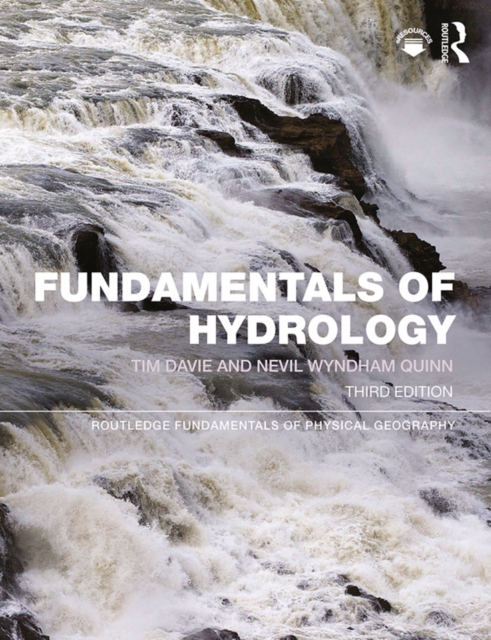
The third edition of Fundamentals of Hydrology provides an absorbing and comprehensive introduction to the understanding of how fresh water moves on and around the planet and how humans affect and manage the freshwater resources available to them.
Fundamentals of the Physical Environment has established itself as a well-respected core introductory book for students of physical geography and the environmental sciences.
Fundamentals of the Physical Environment has established itself as a well-respected core introductory book for students of physical geography and the environmental sciences.
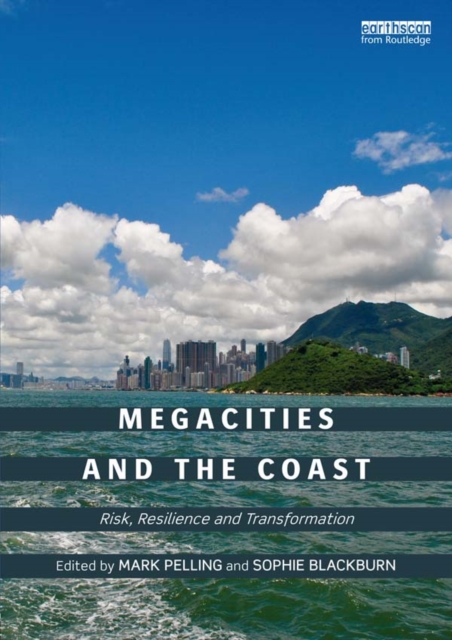
Based on a major international study, this volume provides a synthesis of scientific knowledge on megacity urbanization on the coast, environmental impacts, risks and management choices, including a focus on adaptation, mitigation and disaster risk management.
Based on a major international study, this volume provides a synthesis of scientific knowledge on megacity urbanization on the coast, environmental impacts, risks and management choices, including a focus on adaptation, mitigation and disaster risk management.
A new 'Multi-Coloured Manual' This book is a successor to and replacement for the highly respected manual and handbook on the benefits of flood and coastal risk management, produced by the Flood Hazard Research Centre at Middlesex University, UK, with support from Defra and the Environment Agency.
A new 'Multi-Coloured Manual' This book is a successor to and replacement for the highly respected manual and handbook on the benefits of flood and coastal risk management, produced by the Flood Hazard Research Centre at Middlesex University, UK, with support from Defra and the Environment Agency.
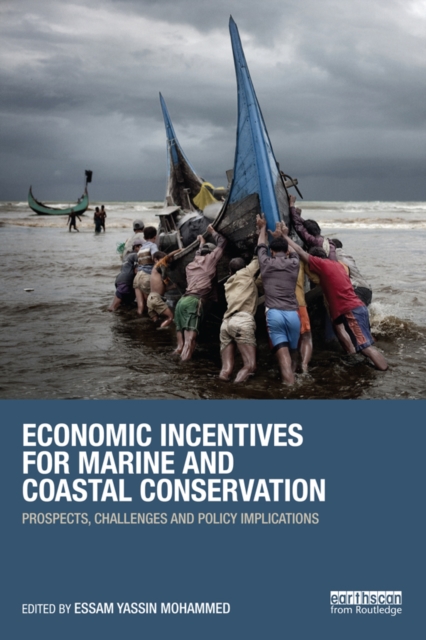
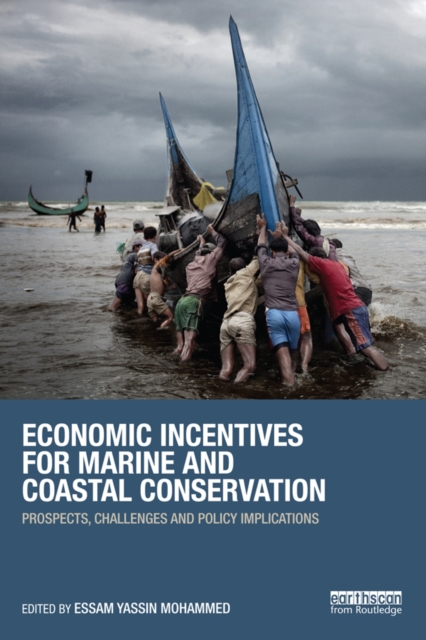
Marine and coastal resources provide millions of people with their livelihoods, such as fishing and tourism, and a range of critical additional 'ecosystem services', from biodiversity and culture to carbon storage and flood protection.
Marine and coastal resources provide millions of people with their livelihoods, such as fishing and tourism, and a range of critical additional 'ecosystem services', from biodiversity and culture to carbon storage and flood protection.
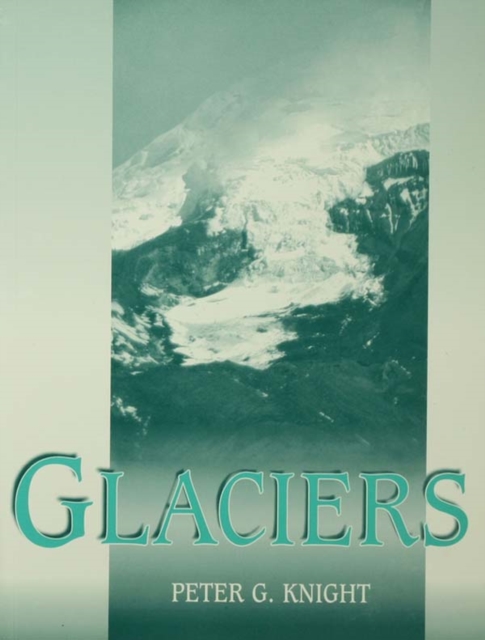
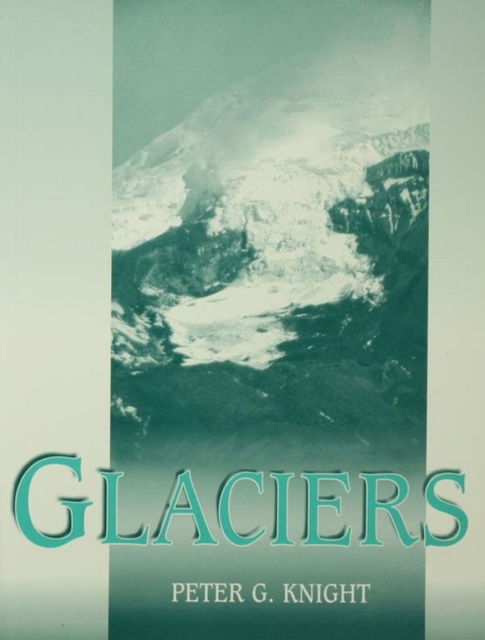
This book offers a comprehensive and detailed summary of our knowledge and understanding of glaciers and sets them within a global environment context.
This book offers a comprehensive and detailed summary of our knowledge and understanding of glaciers and sets them within a global environment context.
Synoptic and Dynamic Climatology provides the first comprehensive account of the dynamical behaviour and mechanisms of the global climate system and its components, together with a modern survey of synoptic-scale weather systems in the tropics and extratropics, and of the methods and applications of synoptic climate classification.
Synoptic and Dynamic Climatology provides the first comprehensive account of the dynamical behaviour and mechanisms of the global climate system and its components, together with a modern survey of synoptic-scale weather systems in the tropics and extratropics, and of the methods and applications of synoptic climate classification.
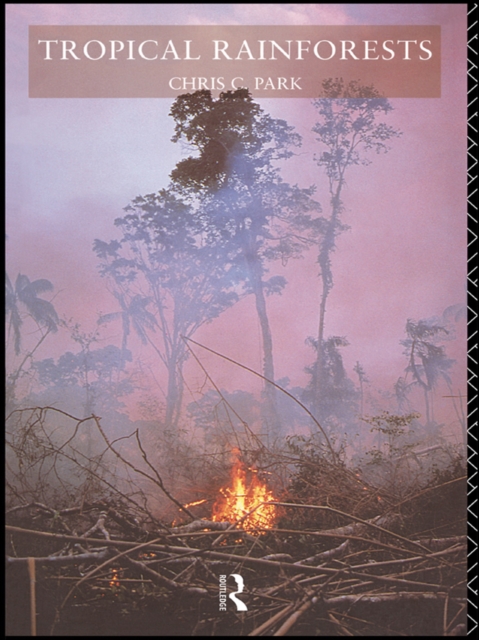
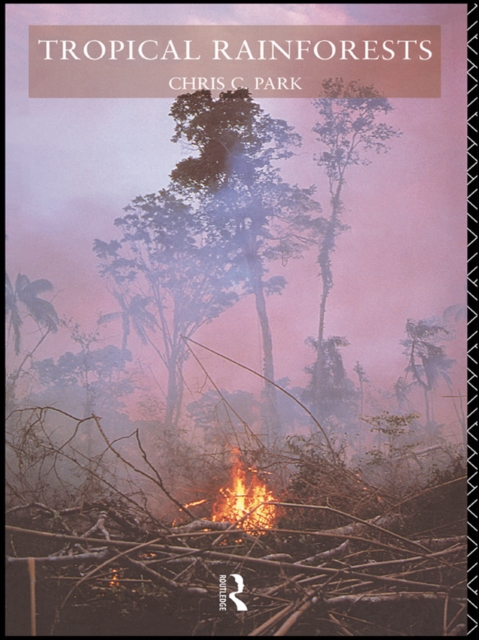
Tropical Rainforests presents the most up-to-date and wide-ranging review of the problems and prospects of the world's most complex and abundant ecosystem.
Tropical Rainforests presents the most up-to-date and wide-ranging review of the problems and prospects of the world's most complex and abundant ecosystem.
The Companion Encyclopedia of Geography provides an authoritative and provocative source of reference for all those concerned with the earth and its people.
The Companion Encyclopedia of Geography provides an authoritative and provocative source of reference for all those concerned with the earth and its people.
The evidence for the Little Ice Age, the most important fluctuation in global climate in historical times, is most dramatically represented by the advance of mountain glaciers in the sixteenth and seventeenth centuries and their retreat since about 1850.
The evidence for the Little Ice Age, the most important fluctuation in global climate in historical times, is most dramatically represented by the advance of mountain glaciers in the sixteenth and seventeenth centuries and their retreat since about 1850.
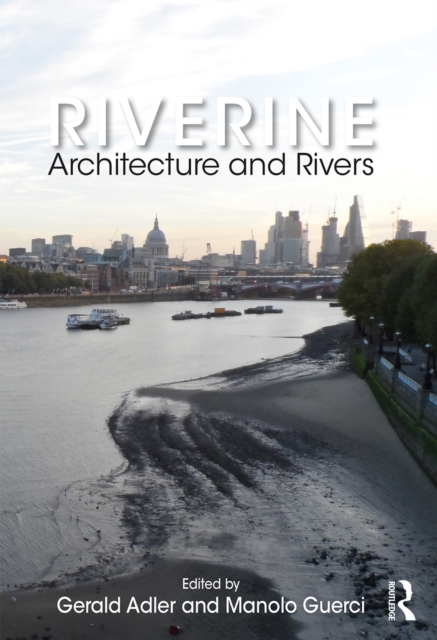
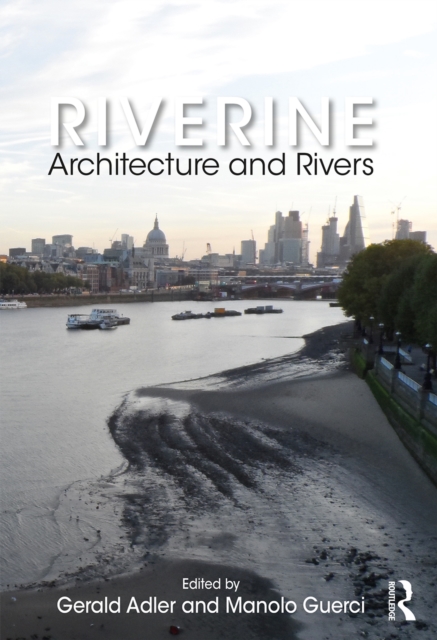
Riverscapes are the main arteries of the world's largest cities, and have, for millennia, been the lifeblood of the urban communities that have developed around them.
Riverscapes are the main arteries of the world's largest cities, and have, for millennia, been the lifeblood of the urban communities that have developed around them.
This edited collection, first published in 1987, provides a comparative analysis of different approaches to urban modelling, and lays the foundations for the possibility of integration and a more unified field.
This edited collection, first published in 1987, provides a comparative analysis of different approaches to urban modelling, and lays the foundations for the possibility of integration and a more unified field.