This book shows how suburban sprawl is at least partially a consequence of government spending and regulation, and suggests anti-sprawl policies that can make government smaller and/or less intrusive.
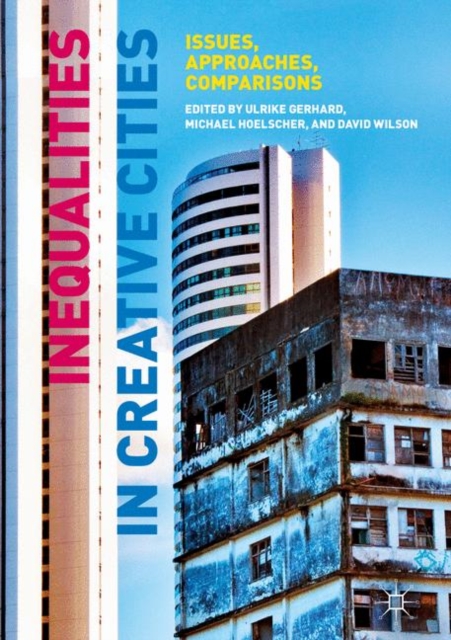
This edited volume is a lively and timely appraisal of "e;ordinary cities"e; as they struggle to implement creative redevelopment and economic growth strategies to enhance their global competitiveness.
In this book, the author develops a relational concept of space that encompasses social structure, the material world of objects and bodies, and the symbolic dimension of the social world.
As coastal populations burgeon, problems of erosion, pollution and coastal change are becoming ever more serious and necessitate scientifically informed management strategies.
It is considered a simplified reference in one of the modern sciences that has a comprehensive impact on the lives of peoples, their defense, and their economies, which is atmospheric science (or meteorology), or as some call it (meteorology), to fill that deficiency in this area, and presents the results of the latest findings of research and scientific discovery in this field.
Introduce students to the diversity embraced by the discipline of biogeography, revised and updated throughout Biogeography: Space, Time and Life provides a comprehensive introduction to the study of large-scale geographic distributions of life, focusing on ecology, evolution, physical geography and conservation.
This book offers a new critical perspective on emerging and alternative 'spaces' for emancipation within lesbian, gay, bisexual, transgender, and queer (LGBTQ) communities.
Cengage Learning's FUNDAMENTALS OF WORLD REGIONAL GEOGRAPHY brings course concepts to life with interactive learning, study, and exam preparation tools along with comprehensive text content for one semester/quarter courses.
As environmental issues move to the centre of the political debate, more attention is being focused on the role our economy has played in creating the ecological crisis, and what a sustainable economy might look like.
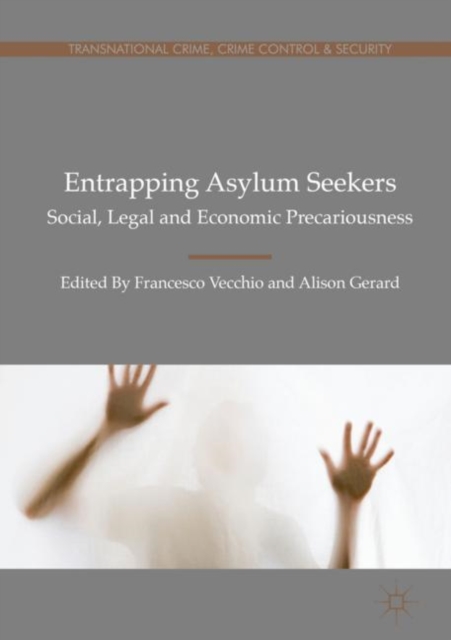
This book is an interdisciplinary attempt to understand the contemporaneous human condition of asylum seekers through analysis of their entrapment and the resultant new forms of resistance that have emerged to combat it.
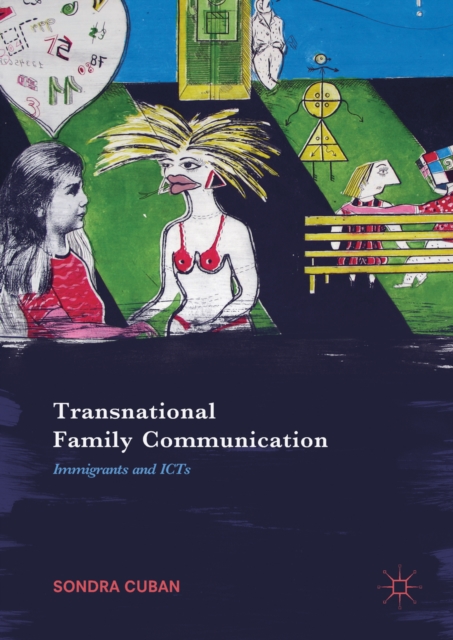
This book explores the struggles that immigrant women experience when communicating with their transnational families through information and communication technologies (ICTs).
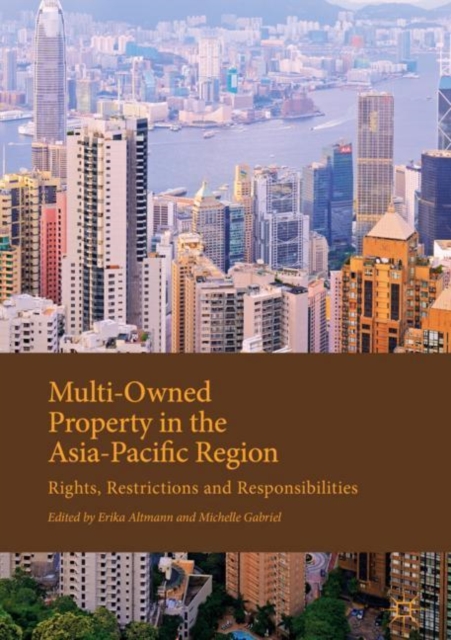
This book provides critical insight into the experience of multi-owned property, and showcases different cultural responses across the Asia-Pacific region.
This book explores the transformation of the Tunisian space of mobility after the Arab Uprisings, looking at the country's emerging profile as a migratory "e;destination"e; and focusing on refugees from Syria, Libya, and Sub-Saharan countries; Tunisian migrants in Europe who return home; and young undocumented European migrants living in Tunis.
Chapter "e;Crowd Spatial Patterns at Bus Stops: Security Implications and Effects of Warning Messages"e; is available open access under a Creative Commons Attribution 4.
This book elaborates the need, in a rapidly urbanizing world, for recognition of the ecological communities we inhabit in cities and for the development of an ethics for all entities (human and non-human) in this context.
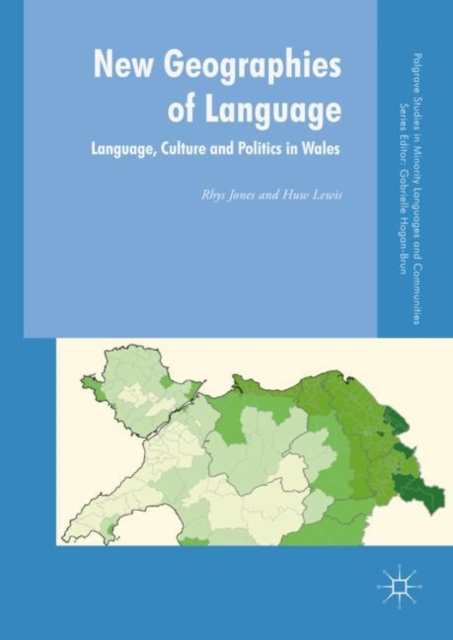
This book develops a novel approach to the study of language, bringing it into dialogue with the latest geographical concepts and concerns and provides a comprehensive account of the geography of Welsh language analysing policy development, language use, ability and shift.
This book is an exploration of the various types of transnational politics that the Chin and Acehnese people are engaged in, particularly in the Malaysian state.
With a particular focus on their integration paths, political participation and identifications, this book draws on large cross-national surveys of this specific population carried out between 2004 and 2012, as well as in-depth interviews and aggregate statistical data from a plethora of sources.
Examining spatial transformations in Bangalore, one of India's fastest growing cities, this book highlights the influence of information and communications technology (ICT) development on the city.
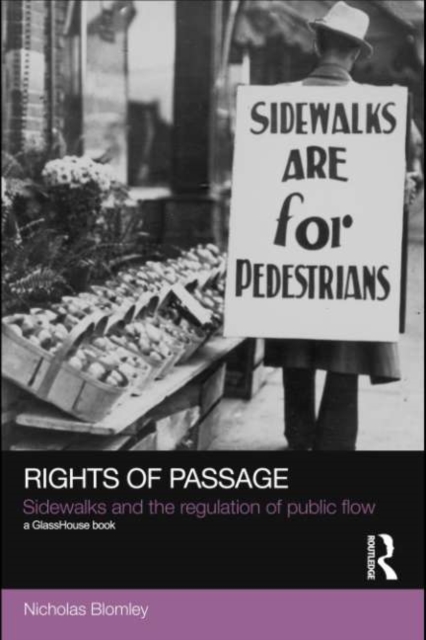
Rights of Passage: Sidewalks and the Regulation of Public Flow documents a powerful and under-researched form of urban governance that focuses on pedestrian flow.
Drawing on three case studies of K-12 public schooling in London, Sydney and Vancouver, this book examines the geographies of neoliberal education policy in the inner city.
As environmental issues move to the centre of the political debate, more attention is being focused on the role our economy has played in creating the ecological crisis, and what a sustainable economy might look like.
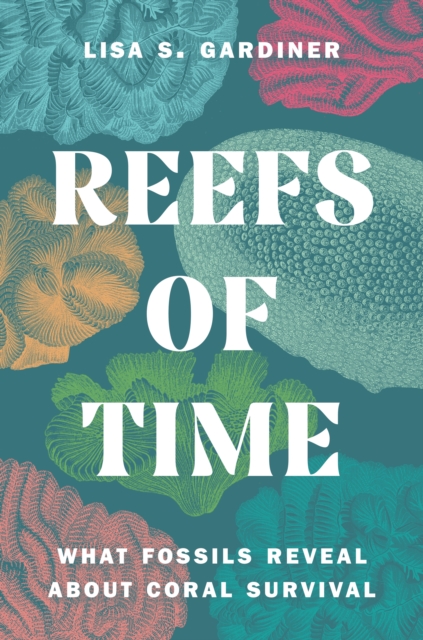
How fossilized reefs hold clues to the survival of corals in the AnthropoceneWith rising global temperatures, pollution, overfishing, ocean acidification, and other problems caused by humans, there's no question that today's coral reefs are in trouble.
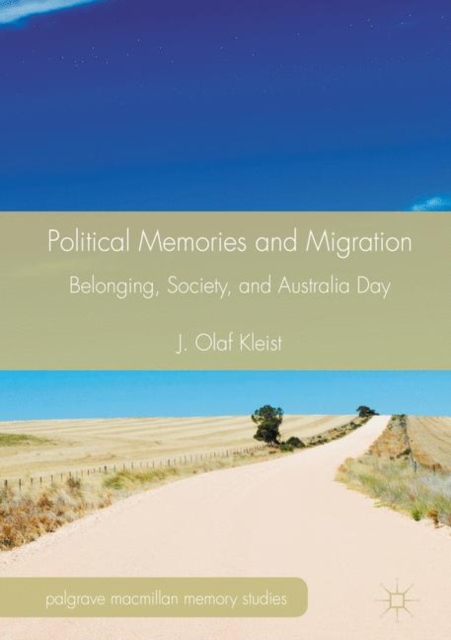
This book explores the relationship between political memories of migration and the politics of migration, following over two hundred years of commemorating Australia Day.
Core values of society, health and wellbeing impact today on all aspects of our lives, and have also increasingly influenced patterns of tourism consumption and production.
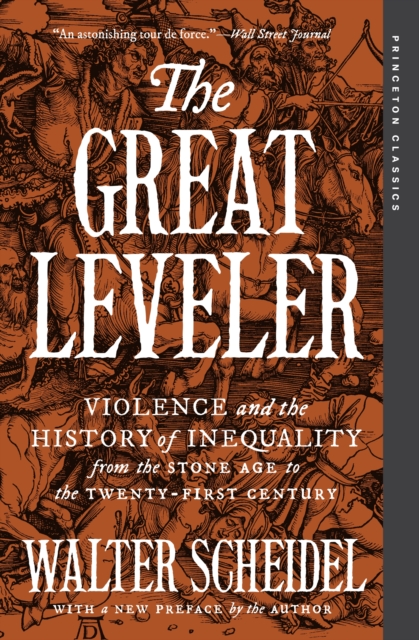
How only violence and catastrophes have consistently reduced inequality throughout world historyAre mass violence and catastrophes the only forces that can seriously decrease economic inequality?
Moving beyond conventional accounts of gated communities and housing segregation, this book interrogates the moral politics of urban place-making in China's commodity housing enclaves.
Our current situation, marked simultaneously by the Anthropocene, global warming, digitization and exponential artificial intelligence, leads us to sudden and total change in global civilization and, de facto, to rebuilding the foundations of the international economy.
Our current situation, marked simultaneously by the Anthropocene, global warming, digitization and exponential artificial intelligence, leads us to sudden and total change in global civilization and, de facto, to rebuilding the foundations of the international economy.