Water may seem innocuous, but as a universal necessity, it inevitably intersects with politics when it comes to acquisition, control, and associated technologies.
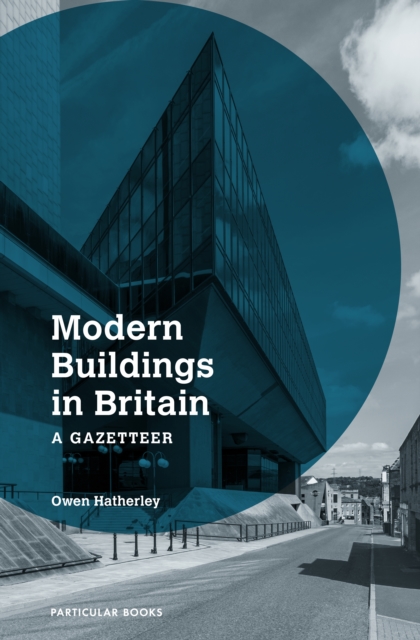
The definitive illustrated guide to modern British architecture, from one of the most acclaimed critics at work todayModernism is now a century old, and its consequences are all around us, built into our everyday lived environments.
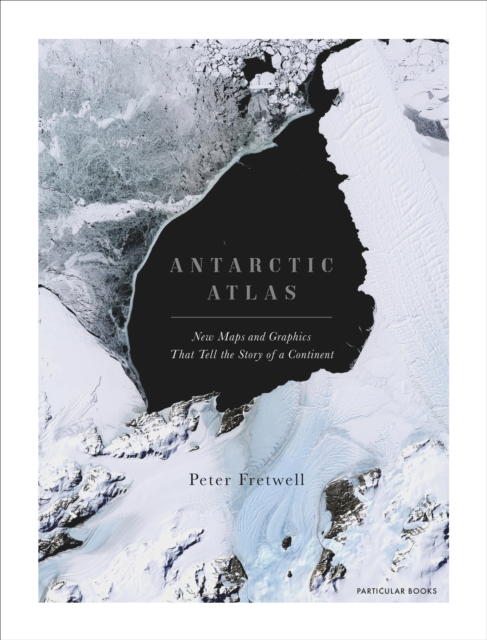
A leading cartographer from the British Antarctic Survey maps the continent in ways never seen before, revealing a landscape as alien as it is vital to our very existenceOne of the least-known places on the planet, the only continent on earth with no indigenous population, Antarctica is a world apart.
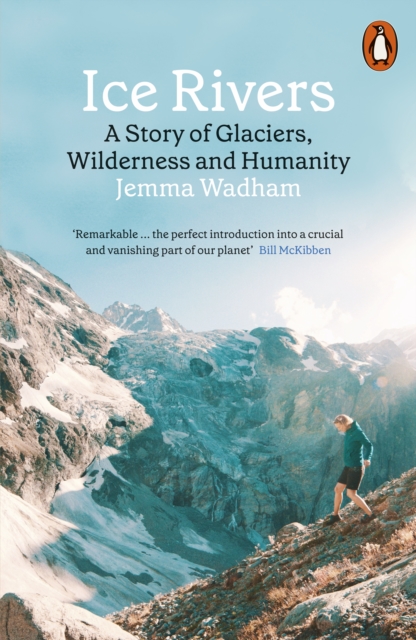
Longlisted for the Wainwright PrizeShortlisted for the Richard Jeffries AwardThe story of one woman's passion for glaciersAs one of the world's leading glaciologists, Professor Jemma Wadham has devoted her career to the glaciers that cover one-tenth of the Earth's land surface.
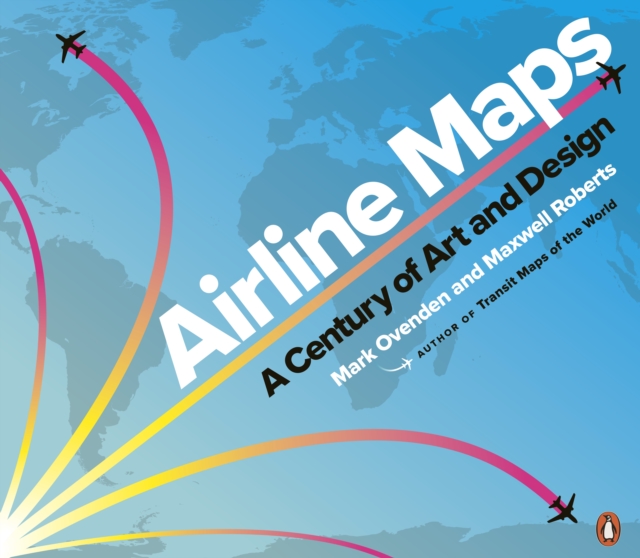
In this gorgeously illustrated collection of airline route maps, Mark Ovenden and Maxwell Roberts look to the skies and transport readers to another time.
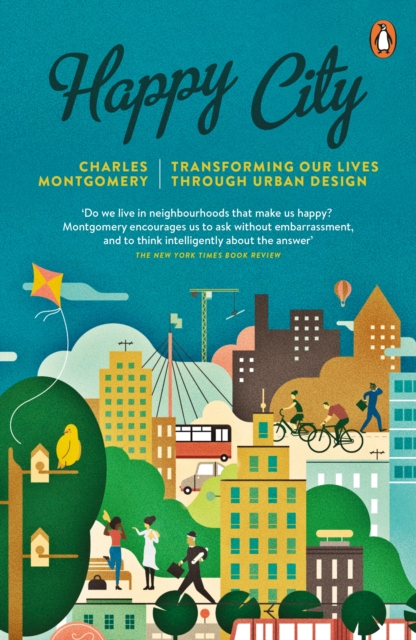
Happy City is the story of how the solutions to this century's problems - from climate change to overpopulation - lie in unlocking the secrets to great city living This is going to be the century of the city.
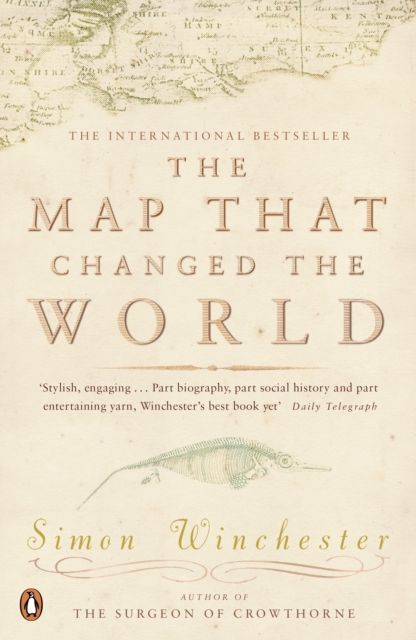
THE EXTRAORDINARY TALE OF THE FATHER OF MODERN GEOLOGYHidden behind velvet curtains above a stairway in a house in London's Piccadilly is an enormous and beautiful hand-coloured map - the first geological map of anywhere in the world.
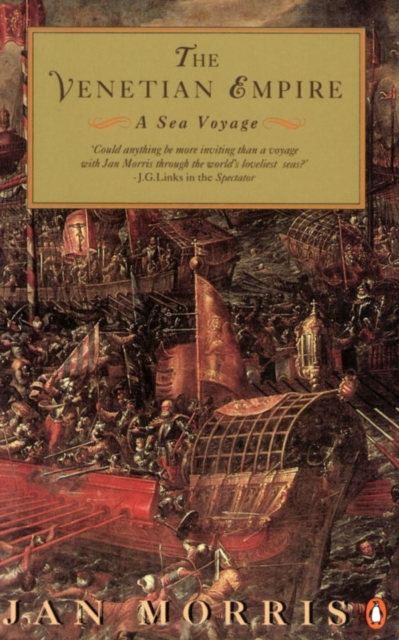
For six centuries the Republic of Venice was a maritime empire, its sovereign power extending throughout much of the eastern Mediterranean an empire of coasts, islands and isolated fortresses by which, as Wordsworth wrote, the mercantile Venetians 'held the gorgeous east in fee'.
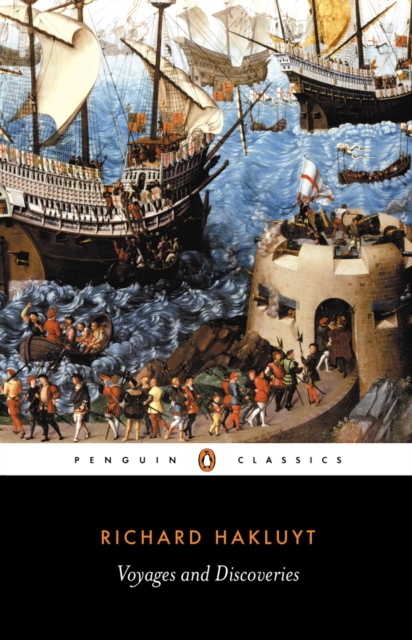
Renaissance diplomat and part-time spy, William Hakluyt was also England's first serious geographer, gathering together a wealth of accounts about the wide-ranging travels and discoveries of the sixteenth-century English.
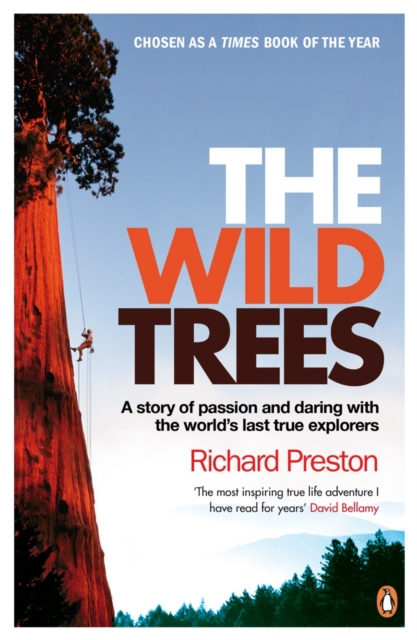
When Steve Sillett was 19 years old, he free-climbed with no safety equipment and no training one of the tallest trees on earth, in the redwood forests of Prairie Creek, California.
Surveying the Covid-19 Pandemic and Its Implications: Urban Health, Data Technology and Political Economy explores social, economic, and policy impacts of COVID-19 that will persist for some time.
Sustainable Energy Transition for Cities brings together empirical and applied research in both urban planning and sustainable energy, offering coherent and innovative best practices for urban energy transition planning.
A scientific adventure story that dramatizes how profoundly our oceans have changed over the past 150 yearsIn December 1872, HMS Challenger embarked on the first round-the-world oceanographic expedition.
Flood Risk Change: A Complexity Perspective focuses on the dynamic nature of flood risks and follows a systemic approach - including environmental, socioeconomic and socio-technical factors for modeling and managing flood risk change.
A cultural and literary history of mountains in classical antiquityThe mountainous character of the Mediterranean was a crucial factor in the history of the ancient Greek and Roman world.
How technological advances and colonial fears inspired utopian geoengineering projects during the late nineteenth and early twentieth centuries From the 1870s to the mid-twentieth century, European explorers, climatologists, colonial officials, and planners were avidly interested in large-scale projects that might actively alter the climate.
How the optimism gap between rich and poor is creating an increasingly divided societyThe Declaration of Independence states that all people are endowed with certain unalienable rights, and that among these is the pursuit of happiness.
Why our cats are a danger to species diversity and human healthIn 1894, a lighthouse keeper named David Lyall arrived on Stephens Island off New Zealand with a cat named Tibbles.
A Nobel Prizewinning economist makes a new argument about the real roots of prosperityand why they are under threat todayIn this book, Nobel Prize-winning economist Edmund Phelps draws on a lifetime of thinking to make a sweeping new argument about what makes nations prosperand why the sources of that prosperity are under threat today.
On October 23, 1852, Professor Augustus De Morgan wrote a letter to a colleague, unaware that he was launching one of the most famous mathematical conundrums in history--one that would confound thousands of puzzlers for more than a century.
Geology and Landscape Evolution: General Principles Applied to the United States, Second Edition, is an accessible text that balances interdisciplinary theory and applications within the physical geography, geology, geomorphology and climatology of the United States.
Marine Paleobiodiversity presents a concise history, development and current status of paleobiodiversity research, thus forming a reference work for beginners, graduates and postgraduates, who are interested in this subject and intend venture into serious research.
Cretaceous Sea Level Rise delves into the question of whether the observed short-term sea-level changes are regional (tectonic) or global (eustatic) and determines their possible relation to climate cycles; to assess the role of feedback mechanisms, i.
If they are to survive, cities need healthy chunks of the world's ecosystems to persist; yet cities, like parasites, grow and prosper by local destruction of these very ecosystems.
From conservation to protecting endangered species to sustainable living, A Christian's Guide to Planet Earth offers a faith-based framework for viewing our responsibility to the natural world as well as practical, biblical ways we can care for the magnificent creation around us.
Advanced Remote Sensing is an application-based reference that provides a single source of mathematical concepts necessary for remote sensing data gathering and assimilation.
From Nobel Prizewinning economist Joel Mokyr, a revealing look at why Enlightenment culture sparked the Industrial RevolutionDuring the late eighteenth century, innovations in Europe triggered the Industrial Revolution and the sustained economic progress that spread across the globe.