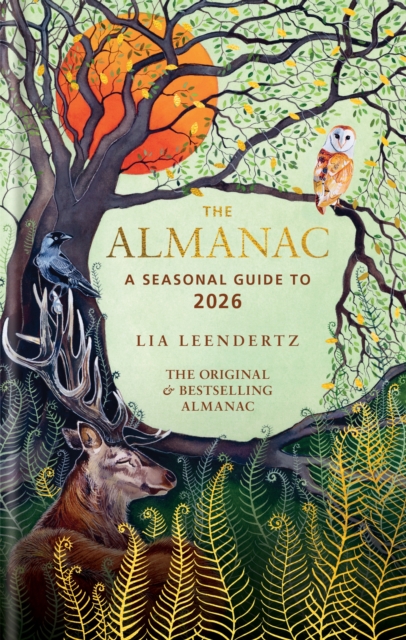
The ninth instalment of the bestselling and most-loved almanac on the market
The original and bestselling almanac
Reconnect with the seasons in Britain and Ireland with this month-by-month guide to the world around us - including tide tables, sunrises and moon phases; wildlife and folklore; seasonal recipes and more.
The Almanac: A Seasonal Guide to 2026 gives you the tools and inspiration you need to celebrate, mark and appreciate each month of the year in your own particular way.
Divided into the 12 months, a set of tables each month gives it the feel and weight of a traditional almanac, providing practical information that gives access to the outdoors and the seasons, perfect for expeditions, woodland foraging and beach holidays. And it's the ideal gift!
You will find yourself referring to The Almanac all year long, revisiting it again and again, and looking forward to the next edition as the year draws to a close.
PRAISE FOR THE ALMANAC:
'Lia Leendertz's classic almanac never fails to delight' - The Herald
'It's a perfect Christmas present' - Allan Jenkins, The Observer
'The perfect companion to the seasons' - India Knight
'Indispensable' - Sir Bob Geldof
'This book is your bible' - The Independent
'I love this gem of a book' - Cerys Matthews
Sunday Times bestseller, December 2025