This publication provides an analysis of key challenges and opportunities for the Greater Mekong Subregion (GMS) to realize its development goals by 2030 and beyond.
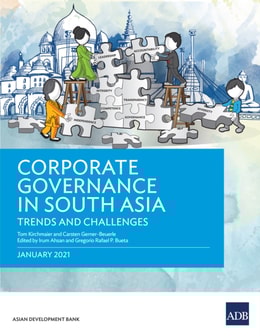
This publication looks at several corporate governance issues, and provides an analysis of four core areas of corporate governance in South Asia in light of global trends and best practices.
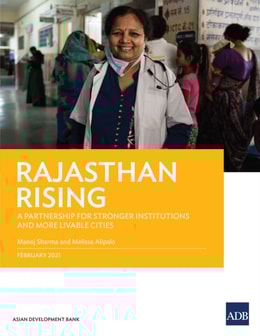
Since 1998, the Asian Development Bank and the Government of Rajasthan have partnered to bring sustainable development to the cities and towns of Rajasthan, in northwest India.
Almaty, a vibrant metropolis in Kazakhstan, is only 80 kilometers away from lake Issyk-Kul in the Kyrgyz Republic, renowned for its mountains and moderate summers.
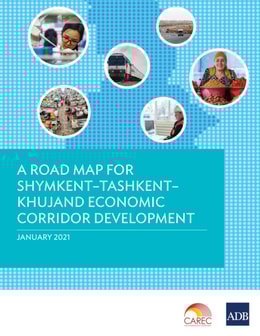
This publication covers the review and assessment of existing and potential of trade in Kazakhstan, Tajikistan, and Uzbekistan along the proposed Shymkent-Tashkent-Khujand Economic Corridor (STKEC).
The Central Asia Regional Economic Cooperation (CAREC) Tourism Strategy 2030 sets out the long-term vision, objectives, programs, and targets to promote sustainable, safe, and inclusive tourism development in the region and enhance its attraction as a competitive tourism destination globally.
This report reviews the energy landscape in Bangladesh, Bhutan, India, Nepal, and Sri Lanka with the aim of supporting improved energy efficiency in these South Asian countries.
This publication explores the views of stakeholders in the two decades of partnership between the Asian Development Bank and the Kolkata Municipal Corporation in India.
This publication helps guide investment planning and financing across key urban infrastructure sectors of Azerbaijan to improve the performance of cities---with a focus on economy, equity, and environment.
This publication explains why Indonesia, Malaysia, and Thailand need to ramp up cooperation to boost their special economic zones (SEZ) and spur sustainable growth.
Under the CAREC 2030 framework, a regional trade strategy will provide a more coherent approach to strengthen trade and enhance growth potential of CAREC countries.
The National Urban Assessment for Uzbekistan examines the progress of urbanization and the development and current state of government policies and programs in the country.
This report explains how the quality of infrastructure investments in developing Asia can be enhanced and why this is vital for the region's sustainable recovery from the coronavirus disease (COVID-19) pandemic.
This publication highlights key transport issues in the Pacific developing member countries of the Asian Development Bank (ADB) and sets out ADB's planned 2021-2025 transport sector operations in the region.
This book explores how Asia's fast-growing cities can fulfil their potential as engines of economic prosperity and provide a livable environment for all citizens.
The Central Asia Regional Economic Cooperation (CAREC) member countries face many common economic, social, and environmental challenges that directly impact their citizens and communities.
This book reviews progress with regional cooperation and integration in Asia and the Pacific and explores how it can be reshaped to achieve a more resilient, sustainable, and inclusive future.
Rapid urbanization and aging in many countries including the People's Republic of China, along with lessons learned from the coronavirus disease pandemic, emphasize the urgent need to make cities healthier and more accessible for the elderly.
This publication provides guidance on how governments and utilities in the Greater Mekong Subregion (GMS) can develop sustainable power development plans based on current international best practices.
This knowledge product explains the rationale and procedures for incorporating allowances for climate change in detailed engineering design, with a focus on credible adjustments to extreme rainfall and to mean and high-end sea-level rise.
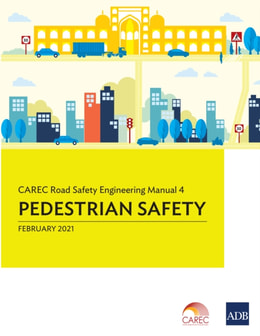
This manual is a practical point of reference for the provision of safer pedestrian facilities in Central Asia Regional Economic Cooperation (CAREC) countries.
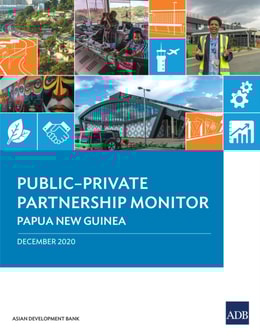
The public-private partnership (PPP) market in Papua New Guinea is at a nascent stage having witnessed only six financially closed PPPs with an investment of $433 million, predominantly in the energy sector.
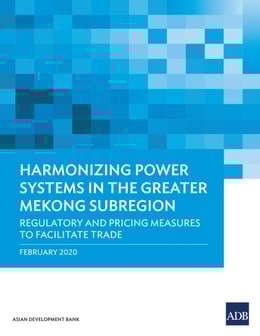
The six countries of the Greater Mekong Subregion (GMS) are striving to ensure an adequate, reliable, sustainable, and affordable energy supply for all their citizens.
The Asian Economic Integration Report is an annual review of economic cooperation and integration that covers the 49 members of ADB in Asia and the Pacific.
The Asia Small and Medium-Sized Enterprise Monitor (ASM) is a knowledge-sharing product developed as a key resource for micro, small, and medium-sized enterprise (MSME) development policies in Asia and the Pacific.