A bold vision that empowers communities to solve our cities' most pressing problemsAmid political repression and a deepening affordability crisis, Budget Justice challenges everything you thought you knew about ';dull' and daunting government budgets.
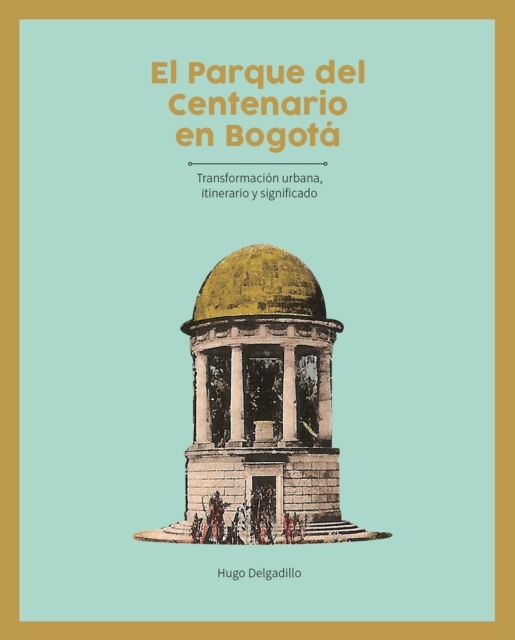
Para el Instituto Distrital de Patrimonio Cultural (IDPC), resulta de gran relevancia esta publicación sobre la historia del hoy extinto Parque del Centenario.
From the INTERNATIONALLY RENOWNED author of the modern classic The Death and Life of Great American CitiesNo one did more to change how we look at cities than Jane Jacobs, the visionary urbanist and economic thinker whose 1961 book The Death and Life of Great American Cities started a global conversation that remains profoundly relevant more than half a century later.
Indispensable for anyone interested in starting or running a festival of any kind - Blackmore Vale MagazineThis book applies to all festivals - literary, music, folk, jazz, food, arts - big and small.
'If you want to see what that future might look like, Duncan's book is a fun place to start'NPR'Intensely readable, downright terrifying, and surprisingly uplifting' Vanity Fair '5 books not to miss .
In this classic text, Jane Jacobs set out to produce an attack on current city planning and rebuilding and to introduce new principles by which these should be governed.
It has become increasingly apparent that in Britain the relationship between town and country is breaking down and that both are in crisis: policies concerning urbanisation, industry, housing and transport are in disarray, while new issues have arisen concerning the environment, farming, the rural economy, food quality.
Mobilitätsideen, die Lust auf morgen machenBestseller-Autorin Katja Diehl und Science-Fiction-Erzähler Mario Sixtus fragen, wie die Menschen in Zukunft autofrei und klimafreundlich unterwegs sein werden und entwerfen konkrete Zukunftsvisionen.
The book investigates the impact on the competitiveness of cities developing creative industries (arts, media, entertainment, creative business services, architects, publishers, designers) and knowledge-intensive industries (ICT, R&D, finance, law).
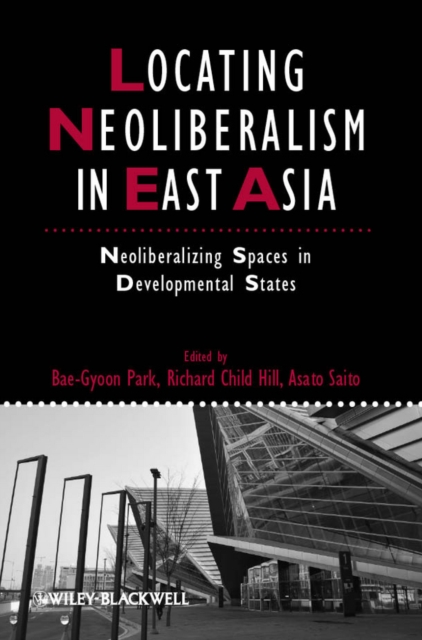
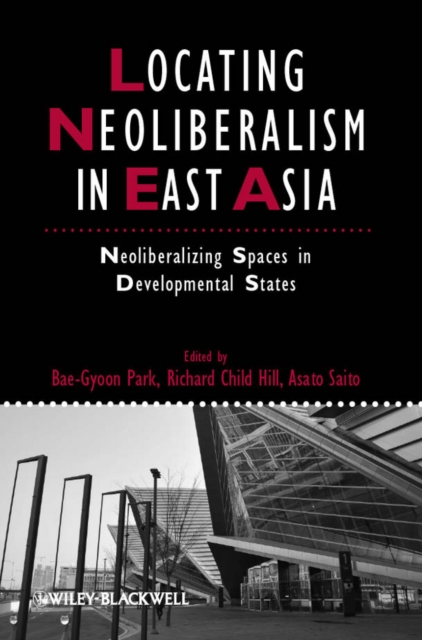
Locating Neoliberalism in East Asia: Neoliberalizing Spaces in Developmental States examines the influence of neo-liberal ideologies on urban and regional policies and practices in several Asian Pacific nations.
Locating Neoliberalism in East Asia: Neoliberalizing Spaces in Developmental States examines the influence of neo-liberal ideologies on urban and regional policies and practices in several Asian Pacific nations.
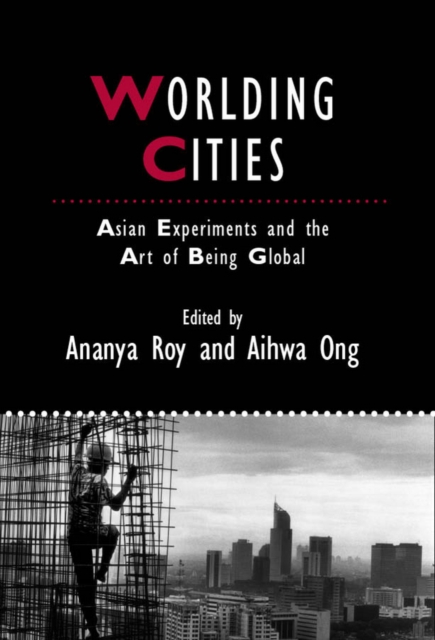
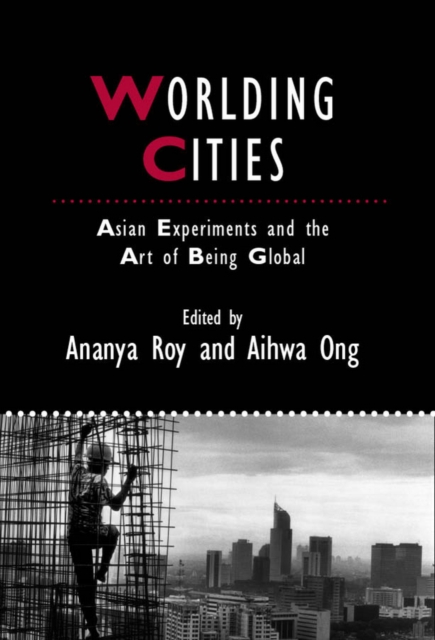
Worlding Cities is the first serious examination of Asian urbanism to highlight the connections between different Asian models and practices of urbanization.
Worlding Cities is the first serious examination of Asian urbanism to highlight the connections between different Asian models and practices of urbanization.
Development of brownfield land can address shortfalls in the availability of land for housing and other buildings, but these sites present a range of problems that must be overcome in any successful development.
The book investigates the impact on the competitiveness of cities developing creative industries (arts, media, entertainment, creative business services, architects, publishers, designers) and knowledge-intensive industries (ICT, R&D, finance, law).
The global economic crisis of 2008 was precipitated by a housing market crash, thus highlighting the destabilizing influence of the property cycle upon the wider economy.
The UK Planning Regulations are a minefield for anyone looking to build a new home - and for those who are worried about the impact of a new planning application near their home.
The focus of this book is on how public policy - and especially the planning system - both shapes and reflects the essential characteristics of land and property markets.