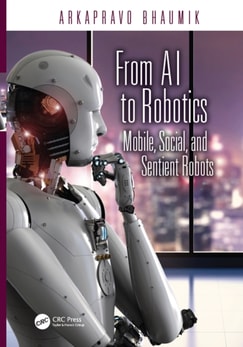
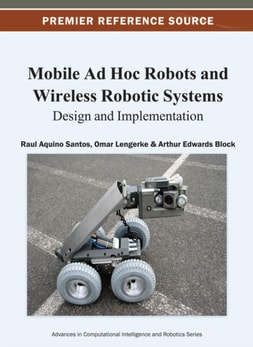
From AI to Robotics: Mobile, Social, and Sentient Robots is a journey into the world of agent-based robotics and it covers a number of interesting topics, both in the theory and practice of the discipline.
The kimono-clad android robot that recently made its debut as the new greeter at the entrance of Tokyo's Mitsukoshi department store is just one example of the rapid advancements being made in the field of robotics.
Recycling of materials in building and infrastructure applications are global concerns driven by natural resource preservation needs of modernized countries and sustainable development of emerging countries.
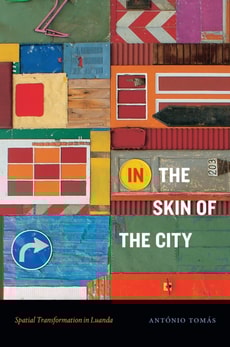
With In the Skin of the City, Antonio Tomas traces the history and transformation of Luanda, Angola, the nation's capital as well as one of the oldest settlements founded by the European colonial powers in the Southern Hemisphere.
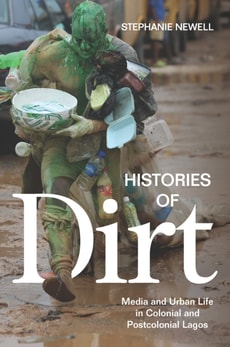
In Histories of Dirt Stephanie Newell traces the ways in which urban spaces and urban dwellers come to be regarded as dirty, as exemplified in colonial and postcolonial Lagos.
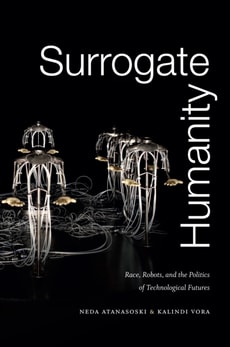
In Surrogate Humanity Neda Atanasoski and Kalindi Vora trace the ways in which robots, artificial intelligence, and other technologies serve as surrogates for human workers within a labor system entrenched in racial capitalism and patriarchy.
Many cities with a population of 150,000 or less struggle to compete with their larger neighbors and often have trouble attracting residents and new businesses.
Syringe exchange programs and safe injection services are outside-the-box interventions increasingly being used by governments, nonprofits and citizens to address dire issues percolating in tandem with America's burgeoning opioid epidemic.
Exploring the ways in which an integrated landscape vision can help deliver regional, national, and international agendas, this book investigates how a new idea of landscape can reimagine governance, policy, economics, culture, identity, health, transport, and development priorities by connecting in a more powerful and meaningful way with local aspirations and demands.
This foundational text on housing tenure, housing policy, homelessness, and housing in a global context has been thoroughly updated to reflect changes in the United States during and after the COVID-19 pandemic.
This book presents the first systematic overview and analysis of the deep connection between Scharoun and China, offering insights into East-West cultural exchange and enriching existing understandings of modernism.
Indispensable for anyone interested in starting or running a festival of any kind - Blackmore Vale MagazineThis book applies to all festivals - literary, music, folk, jazz, food, arts - big and small.
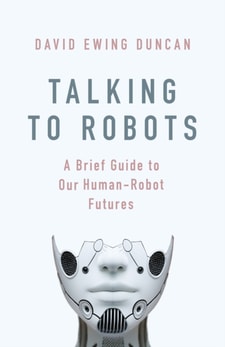
'If you want to see what that future might look like, Duncan's book is a fun place to start'NPR'Intensely readable, downright terrifying, and surprisingly uplifting' Vanity Fair '5 books not to miss .
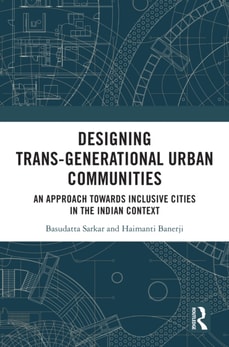
This book examines the inclusiveness of city planning and design to address gaps in policies, strategies and design guidelines for developing trans-generational urban communities in India.
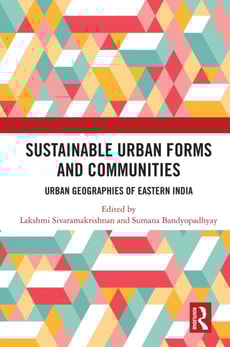
This volume discusses the patterns and trends of urbanization in West Bengal - one of the most urbanized states of India in the early part of the 20th Century.
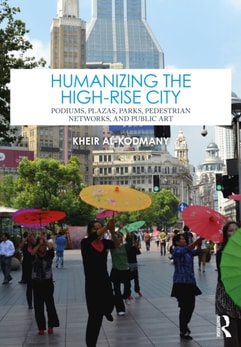
The transformative power of urban design in shaping our experiences within high-rise cities takes center stage in Humanizing the High-Rise City: Podiums, Plazas, Parks, Pedestrian Networks, and Public Art.
This book explores inequities in the urban built environment across a diverse range of places and considers practical solutions and strategies aimed at building more just, inclusive, and sustainable cities.
The relationship between citizens and city governments is gradually transforming due to the utilization of advanced information and communication technologies in order to inform, consult, and engage citizens.
Information and communication technologies have improved government practices and provided effective governance, processes, and services, which have influenced world governments to gather the resources needed to implement e-government projects in developing countries.
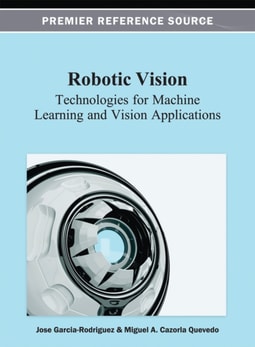
Robotic systems consist of object or scene recognition, vision-based motion control, vision-based mapping, and dense range sensing, and are used for identification and navigation.
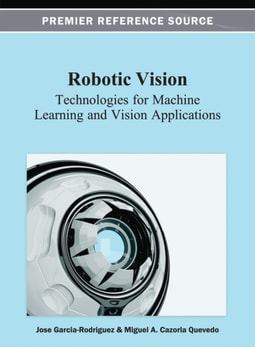
Robotic systems consist of object or scene recognition, vision-based motion control, vision-based mapping, and dense range sensing, and are used for identification and navigation.
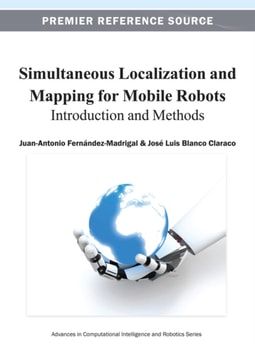
As mobile robots become more common in general knowledge and practices, as opposed to simply in research labs, there is an increased need for the introduction and methods to Simultaneous Localization and Mapping (SLAM) and its techniques and concepts related to robotics.