Systemic change is required to move to a circular economy (CE) model which can meet the demands of a growing population in a manner that is decoupled from resource use and waste generation.
Systemic change is required to move to a circular economy (CE) model which can meet the demands of a growing population in a manner that is decoupled from resource use and waste generation.
This book examines the impact and implications of Japan's withdrawal from the International Convention for the Regulation of Whaling (ICRW), which came into effect in July 2019.
Australia is home to many distinctive species of birds, and Aboriginal peoples have developed close alliances with them over the millennia of their custodianship of this country.
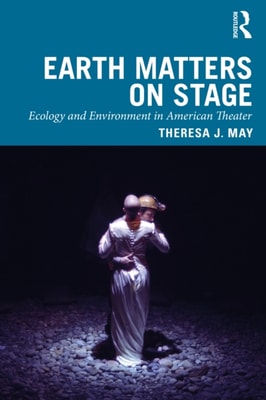
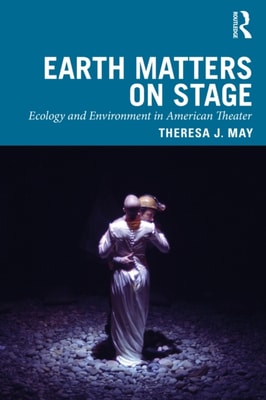
Earth Matters on Stage: Ecology and Environment in American Theater tells the story of how American theater has shaped popular understandings of the environment throughout the twentieth century as it argues for theater's potential power in the age of climate change.
Earth Matters on Stage: Ecology and Environment in American Theater tells the story of how American theater has shaped popular understandings of the environment throughout the twentieth century as it argues for theater's potential power in the age of climate change.
The proposed book aims to understand the mechanism of survival of microorganisms in response to chemical stress in various ecological niches that suffer direct human intervention, more so the agricultural, domestic and hospital settings.
This book is an important guide for individuals seeking to develop and grow their leadership skills in the wildlife conservation sector, across varied disciplines such as environmental management, conservation biology, and ecotourism.
This book is an important guide for individuals seeking to develop and grow their leadership skills in the wildlife conservation sector, across varied disciplines such as environmental management, conservation biology, and ecotourism.
This book offers comprehensive insights into the latest developments in biodiversity, sustainability, and agri-food supply chains, fostering an informed approach to policymaking decisions in the agriculture and agri-food industry within the global economy.
This book offers comprehensive insights into the latest developments in biodiversity, sustainability, and agri-food supply chains, fostering an informed approach to policymaking decisions in the agriculture and agri-food industry within the global economy.
Agroforestry systems (AFS) are becoming increasingly relevant worldwide as society has come to recognize their multiple roles and services: biodiversity conservation, carbon sequestration, adaptation and mitigation of climate change, restoration of degraded ecosystems, and tools for rural development.
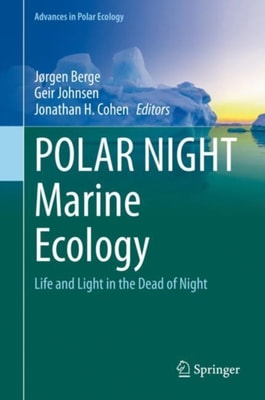
Until recently, the prevailing view of marine life at high latitudes has been that organisms enter a general resting state during the dark Polar Night and that the system only awakens with the return of the sun.
The Routledge Handbook of Law and the Anthropocene provides a critical survey into the function of law and governance during a time when humans have the power to impact the Earth system.
The book addresses the interdisciplinary and multiscale theme of the design of sustainable, inclusive and creative urban green spaces in relation to the socio-ecological transition and in line with the systemic vision promoted by the 2030 Agenda, the 17 Sustainable Development Goals (SDGs) and the principles outlined by the New European Bauhaus (European Commission, 2021).
This, the most recent contribution to the Tetrahedron Organic Chemistry series, provides an integrated evaluation of the diversity of natural products in relation to biodiversity.
Get the latest sustainable agriculture practices and keep an eye on the future Developing and Extending Sustainable Agriculture: A New Social Contract explores the challenges faced by today's farmers and ranchers to provide practical strategies to develop a twenty-first century system of sustainable agriculture that is economically sound, environmentally compatible, and socially acceptable.
In Lost Wonders Tom Lathan tells ten powerful stories of species that have lived, died out and been declared extinct since the turn of the twenty-first century.
The second edition of Mixed Severity Fires: Nature's Phoenix focuses on wildfire as a keystone ecological process that has shaped plant and animal communities for over 400 million years.
Encyclopedia of Biodiversity, Third Edition, Seven Volume Set provides a coherent, synthetic and comprehensive overview of the field, bringing together contributions from over 400 expert academics and practitioners.
All life on Earth has the right to exist, but as we teeter on the verge of a sixth extinction this book discusses why biodiversity matters and why we should care if species go extinct.
This comprehensive volume discusses the patterns and processes analyzed in macroecology with a distinct look at the theoretical and methodological issues underlying the discipline as well as deeper epistemological matters.
The genus Cordyceps and allied species, such as entomopathogenic fungi, mainly parasitize insects and other arthropods and have been known since ancient times.
Volume IV of the Six Volume Remote Sensing Handbook, Second Edition, is focused on the use of remote sensing in forestry, biodiversity, ecology, land use and land cover, and global terrestrial carbon mapping and monitoring.
At 37 trillion individuals per year, wild-caught shrimp and prawns appear to be the single most numerous group of animals directly killed for human food consumption on the planet.
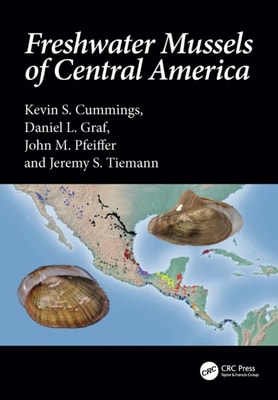
This book describes a fauna of global conservation concern and provides a framework for researchers to begin to test hypotheses regarding the evolution of freshwater mussels in Central America.
This book presents a review of the state-of-the-art knowledge on the interactions between biodiversity and wind energy development, focused on the Portuguese reality.
This book brings a unique perspective to animal movement studies because all cases came from tropical environments where the great diversity, either biological and structurally (trees, shrubs, vines, epiphytes), presents the animal with several options to fulfill its live requirements.
Take a balanced look at ways to ensure food security and to work to erase hunger around the worldAgriculture is the most aggressively managed ecosystem.