Sustainable Forest Management provides the necessary material to educate students about forestry and the contemporary role of forests in ecosystems and society.
Sustainable Forest Management provides the necessary material to educate students about forestry and the contemporary role of forests in ecosystems and society.
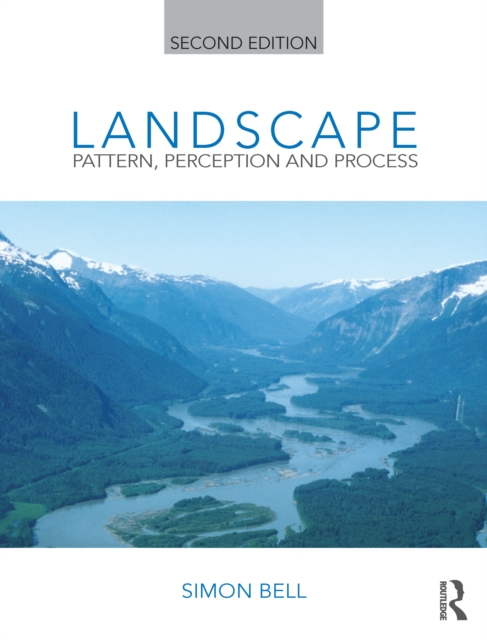
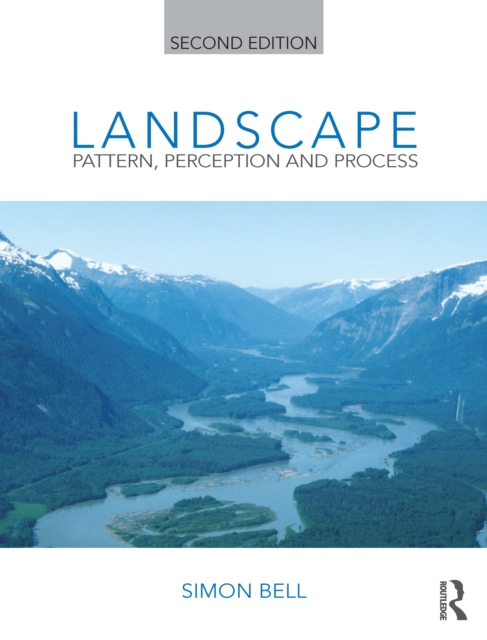
Landscapes develop and evolve through an interacting series of processes - climatic, geological, ecological and cultural - over varying periods of time.
Landscapes develop and evolve through an interacting series of processes - climatic, geological, ecological and cultural - over varying periods of time.
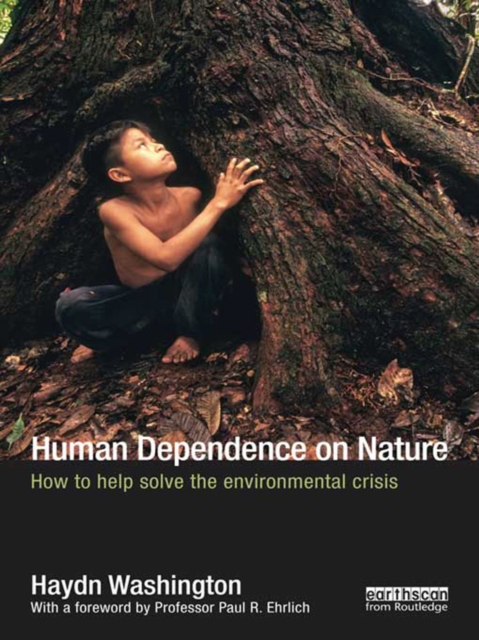
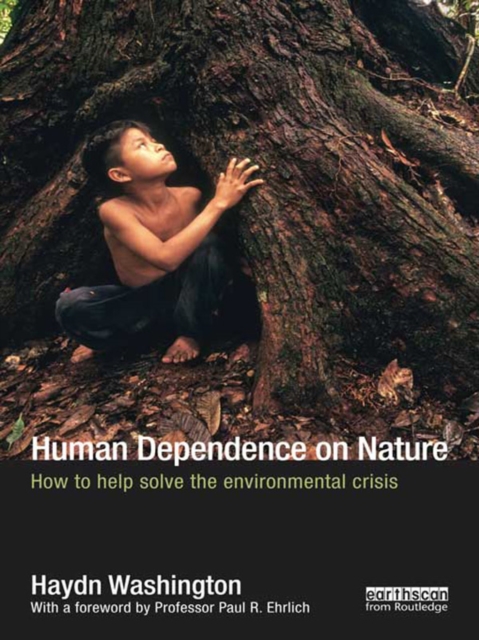
This book argues against the assumption that sustainability and environmental conservation are naturally the common goal and norm for everyone in Amazonia.
This book argues against the assumption that sustainability and environmental conservation are naturally the common goal and norm for everyone in Amazonia.
For centuries, denuded landscapes, fouled streams, and dirty air were accepted by society as part of the price that had to be paid for mineral production.
For centuries, denuded landscapes, fouled streams, and dirty air were accepted by society as part of the price that had to be paid for mineral production.
The Atlas of African Affairs is divided into five sections dealing with environmental, historical, political and economic issues and with Southern Africa.
The Atlas of African Affairs is divided into five sections dealing with environmental, historical, political and economic issues and with Southern Africa.
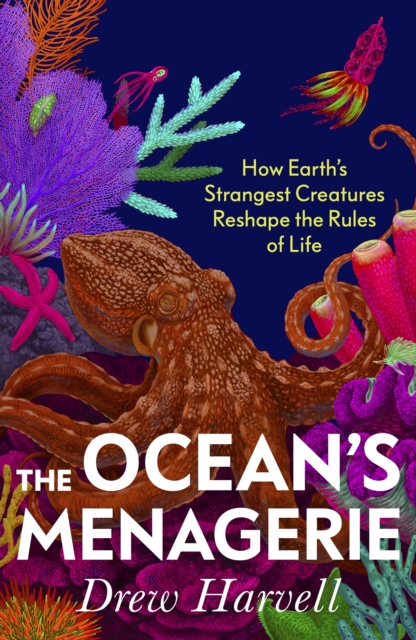
** A NATURE, WALL STREET JOURNAL AND THE TIMES BEST BOOK OF THE YEAR **A mind-expanding journey into our planet s least explored and most critical frontier: the ocean and the astonishing, ancient creatures who call it home.
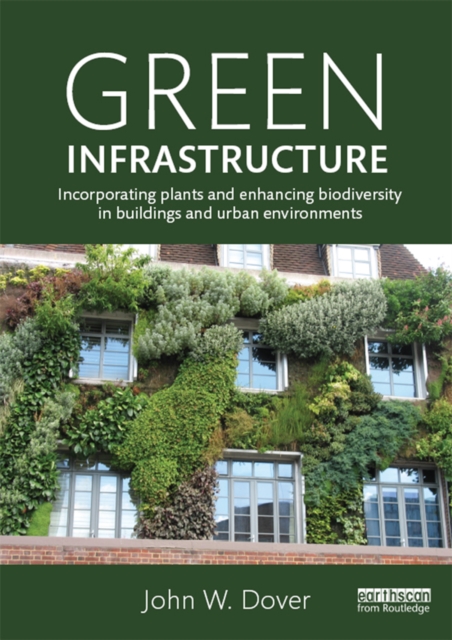
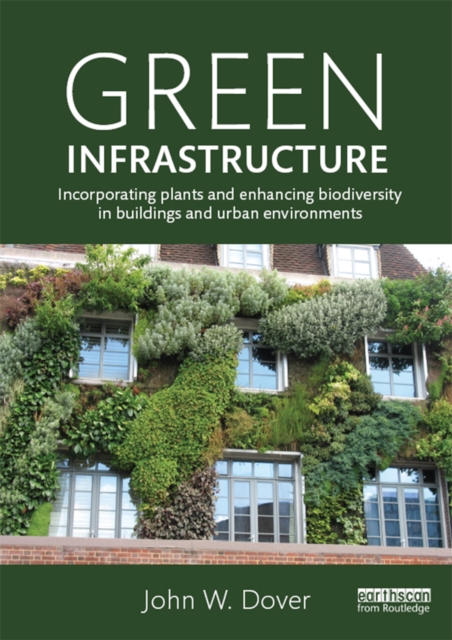
There are many micro-habitats in built up areas, often subject to strong environmental pressures such as atmospheric and water pollution, frequent disturbance, trampling, nutrient or water scarcity, etc.
There are many micro-habitats in built up areas, often subject to strong environmental pressures such as atmospheric and water pollution, frequent disturbance, trampling, nutrient or water scarcity, etc.
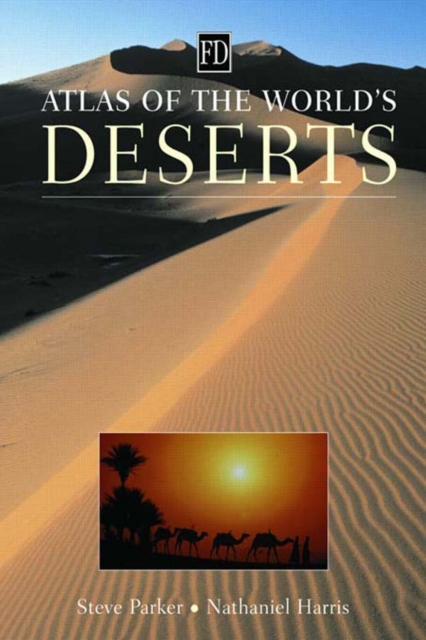
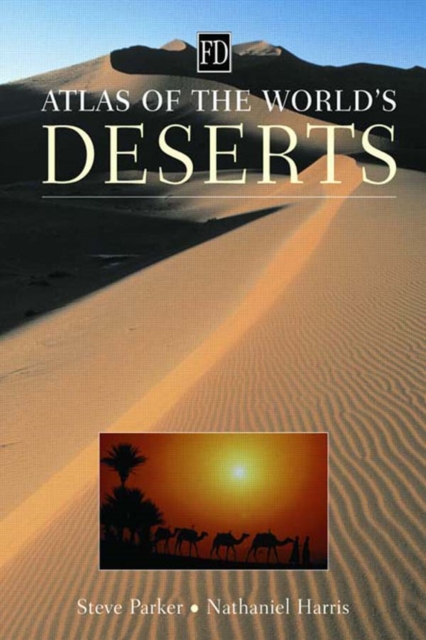
The Atlas of the World's Deserts examines the hostile and extreme environments that characterize deserts, and is divided into chapters that concentrate on specific aspects of a desert's geology, life forms, history, and future.
The Atlas of the World's Deserts examines the hostile and extreme environments that characterize deserts, and is divided into chapters that concentrate on specific aspects of a desert's geology, life forms, history, and future.
As the scholarly and interdisciplinary study of human/animal relations becomes crucial to the urgent questions of our time, notably in relation to environmental crisis, this collection explores the inner tensions within the relatively new and broad field of animal studies.
As the scholarly and interdisciplinary study of human/animal relations becomes crucial to the urgent questions of our time, notably in relation to environmental crisis, this collection explores the inner tensions within the relatively new and broad field of animal studies.
^iEco-Hydrology is the first book to offer an overview of the complex relationships between plants and water across a wide range of terrestrial and aquatic environments.
^iEco-Hydrology is the first book to offer an overview of the complex relationships between plants and water across a wide range of terrestrial and aquatic environments.
Marine systems face a multitude of anthropogenic stressors such as climate change, recreational and commercial fishing, aquaculture practices, pollution, and coastal urbanization.
Volume 3: Managing the Ecosystem focuses on those ecosystems in which human intervention has been or continues to be predominant, specifically within cities and rural areas.
Volume 3: Managing the Ecosystem focuses on those ecosystems in which human intervention has been or continues to be predominant, specifically within cities and rural areas.
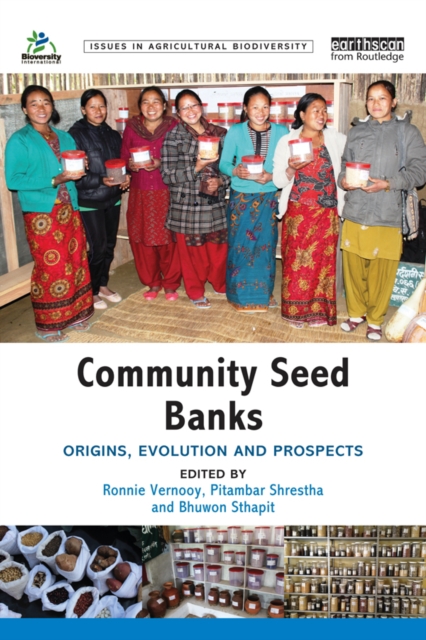
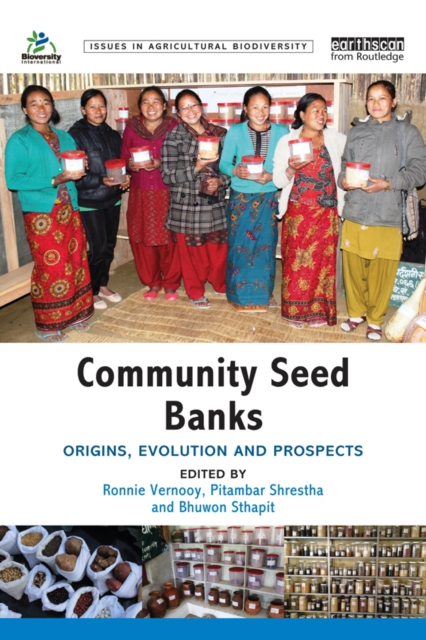
Community seed banks first appeared towards the end of the 1980s, established with the support of international and national non-governmental organizations.
Community seed banks first appeared towards the end of the 1980s, established with the support of international and national non-governmental organizations.