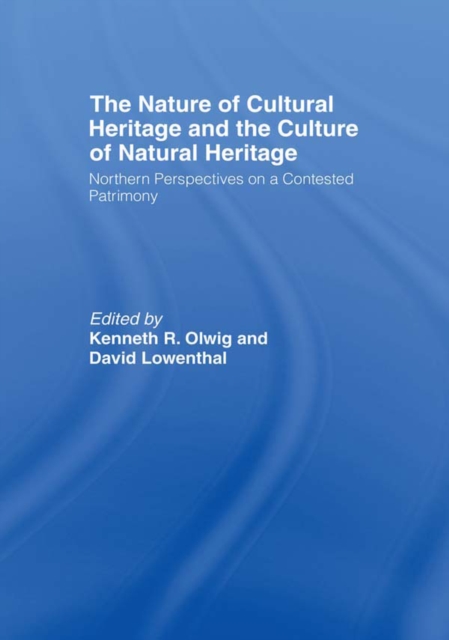
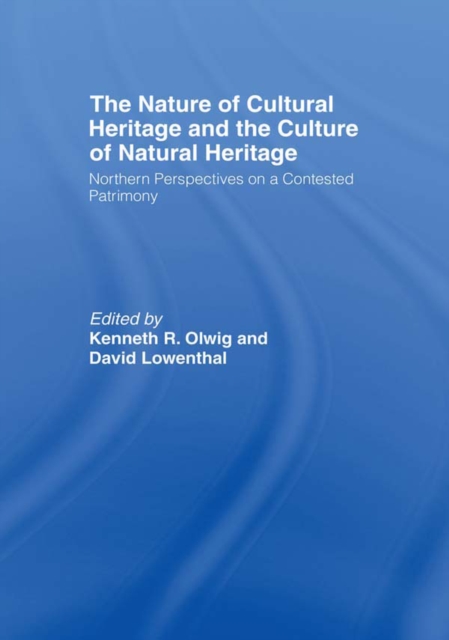
The idea that the heritage of nature is fundamentally cultural is provocative to many, but it is becoming increasingly accepted in the context of heritage preservation.
The idea that the heritage of nature is fundamentally cultural is provocative to many, but it is becoming increasingly accepted in the context of heritage preservation.
Today, there is growing interest in conservation and anthropologists have an important role to play in helping conservation succeed for the sake of humanity and for the sake of other species.
Today, there is growing interest in conservation and anthropologists have an important role to play in helping conservation succeed for the sake of humanity and for the sake of other species.
The UNESCO World Heritage Convention has become one of the most successful UN instruments for promoting cultural diplomacy and dialogue on conservation of cultural and natural heritage.
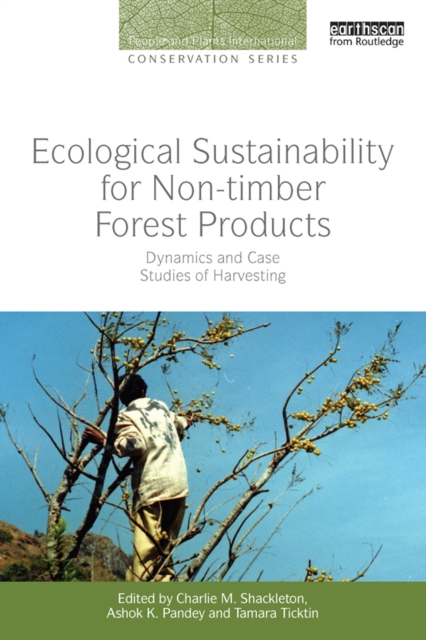
There is growing knowledge about and appreciation of the importance of Non-timber Forest Products (NTFPs) to rural livelihoods in developing countries, and to a lesser extent, developed countries.
There is growing knowledge about and appreciation of the importance of Non-timber Forest Products (NTFPs) to rural livelihoods in developing countries, and to a lesser extent, developed countries.
The establishment of the Intergovernmental Platform on Biodiversity and Ecosystem Services (IPBES) points to the crucial role attributed to science and knowledge for the successful implementation of biodiversity politics by both scientists and policy-makers.
The establishment of the Intergovernmental Platform on Biodiversity and Ecosystem Services (IPBES) points to the crucial role attributed to science and knowledge for the successful implementation of biodiversity politics by both scientists and policy-makers.
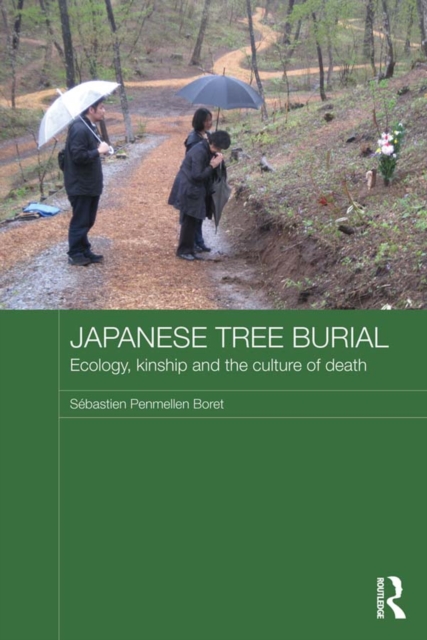
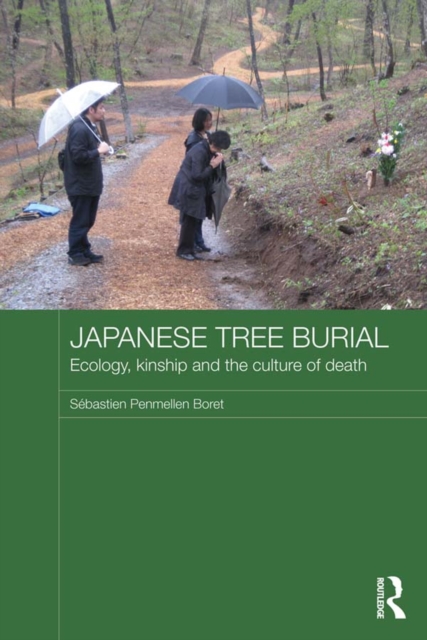
Tree burial, a new form of disposal for the cremated remains of the dead, was created in 1999 by Chisaka Genpo, the head priest of a Zen Buddhist temple in northern Japan.
Tree burial, a new form of disposal for the cremated remains of the dead, was created in 1999 by Chisaka Genpo, the head priest of a Zen Buddhist temple in northern Japan.
This book discusses political controversies involved in global biodiversity policy, and the practical opportunities that are opened up in solving them through increased citizen participation and democratic deliberation.
This book discusses political controversies involved in global biodiversity policy, and the practical opportunities that are opened up in solving them through increased citizen participation and democratic deliberation.
Environmental Science for Environmental Management has quickly established itself as the leading introduction to environmental science, demonstrating how a more environmental science can create an effective approach to environmental management on different spatial scales.
Environmental Science for Environmental Management has quickly established itself as the leading introduction to environmental science, demonstrating how a more environmental science can create an effective approach to environmental management on different spatial scales.
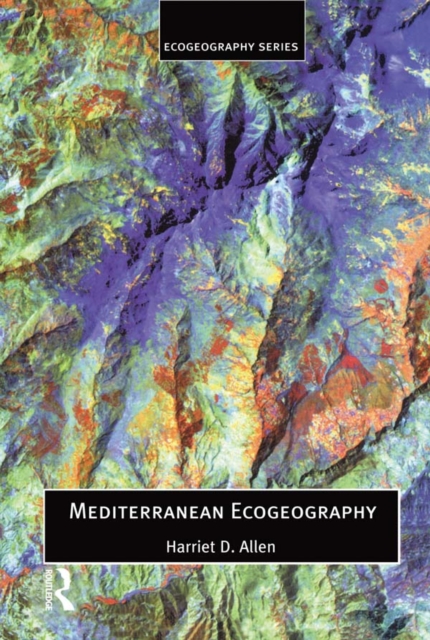
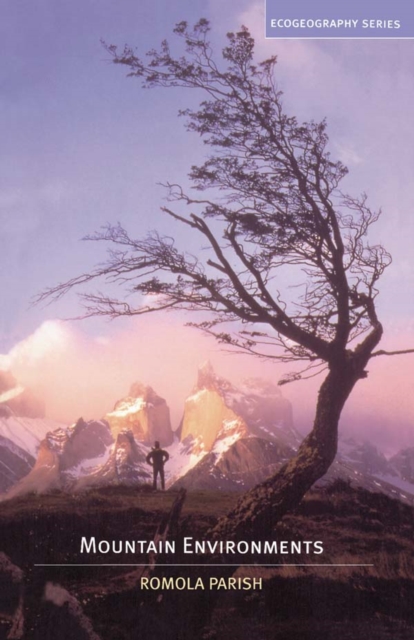
A core textbook series that aims to provide students with accessible, up-to-date accounts of Ecogeography - the marriage of ecology with geography - in the primary terrestrial and marine environments.
A core textbook series that aims to provide students with accessible, up-to-date accounts of Ecogeography - the marriage of ecology with geography - in the primary terrestrial and marine environments.
People and Physical Environment, A Global Approach provides an introduction to the main areas of environmental concern for geographers, environmental scientists and planners at the beginning of the twenty-first century.
People and Physical Environment, A Global Approach provides an introduction to the main areas of environmental concern for geographers, environmental scientists and planners at the beginning of the twenty-first century.