This volume explores a range of themes including impacts of climate change, resilience, sustainability, indigeneity, cultural genocide, disaster capitalism, preservation of biodiversity, and environmental degradation.
This volume explores a range of themes including impacts of climate change, resilience, sustainability, indigeneity, cultural genocide, disaster capitalism, preservation of biodiversity, and environmental degradation.
The legal protection of geographical indications (GIs) is characterised by a variety of approaches which translates the many objectives attached to them.
The legal protection of geographical indications (GIs) is characterised by a variety of approaches which translates the many objectives attached to them.
In dealing with the IUCN, one must bear in mind that there never has been, and undoubtedly never will be, any other organization even remotely resembling it.
In dealing with the IUCN, one must bear in mind that there never has been, and undoubtedly never will be, any other organization even remotely resembling it.
The human use of nature is a polarizing topic in India and across the globe, often perceived as contradictory to traditional exclusionary conservation.
The human use of nature is a polarizing topic in India and across the globe, often perceived as contradictory to traditional exclusionary conservation.
This book explores the fascinating and complex lives of the honey badger, the African jackals (black-backed and side-striped), African golden wolves, and Eurasian golden jackals.
World Heritage: Concepts, Management and Conservation presents an insight into discussions and debates surrounding the UNESCO World Heritage List, and the properties on it.
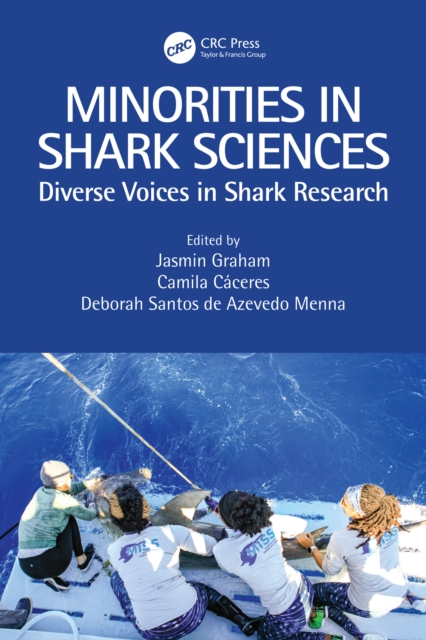
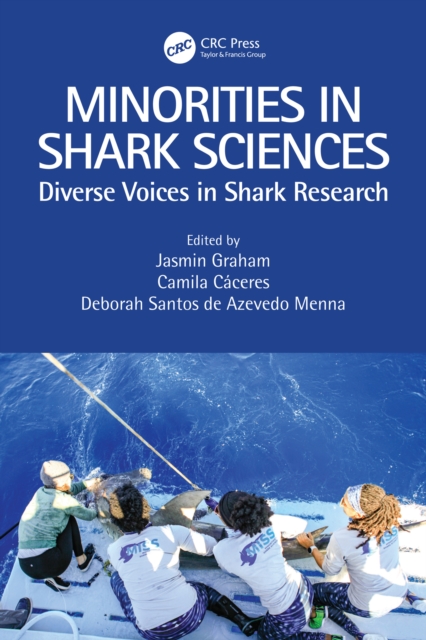
Minorities in Shark Sciences showcases the work done by Black, Indigenous and People of Color around the world in the fields of shark science and conservation.
Minorities in Shark Sciences showcases the work done by Black, Indigenous and People of Color around the world in the fields of shark science and conservation.
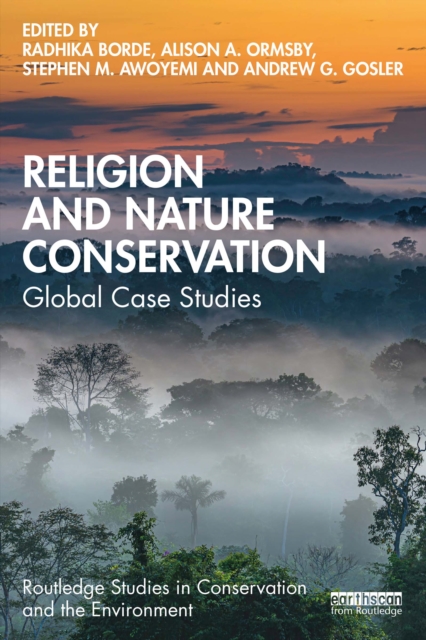
This book presents a broad array of global case studies exploring the interaction between religion and the conservation of nature, from the viewpoints of the religious practitioners themselves.
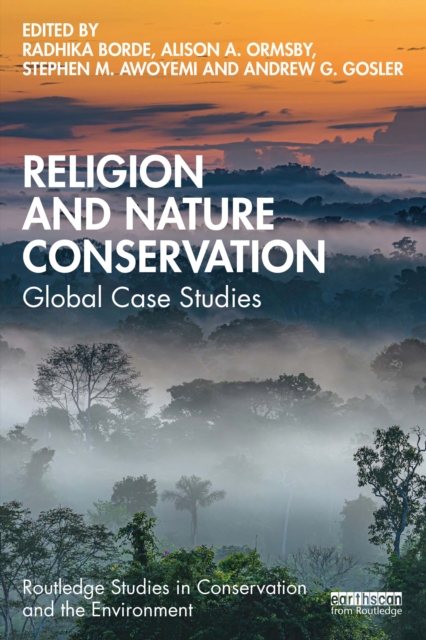
This book presents a broad array of global case studies exploring the interaction between religion and the conservation of nature, from the viewpoints of the religious practitioners themselves.
This book examines the connections between natural resources, tourism and community livelihood practices in Southern Africa, highlighting the successes and constraints experienced over the last 50 years.
This book examines the connections between natural resources, tourism and community livelihood practices in Southern Africa, highlighting the successes and constraints experienced over the last 50 years.
Originally published in 1986, Floods and Drainage advanced hazard - response theory as developed mainly by the White/Burton/Kates school of researchers in North America.
Originally published in 1987, Conservation of Ecosystems and Species examines conservation as a major world issue for governments, industrialists and the general public.
Originally published in 1975, Man and Wildlife traces the evolution of man from pre-hominid ancestors, and his influence in modifying the environment and its flora and fauna as technical knowledge grew.
Originally published in 1979 International Trade in Wildlife is a product of the 1973 Convention on International Trade in Endangered Species of Wild Fauna and Flora conference, containing the full text of the CITIES convention.
Social workers are called upon to shift from a human-centric bias to an ecological ethical sensibility by embracing love as integral to their justice mission and by extending the idea of social justice to include environmental and species justice.
Social workers are called upon to shift from a human-centric bias to an ecological ethical sensibility by embracing love as integral to their justice mission and by extending the idea of social justice to include environmental and species justice.
The term "e;biodiversity"e; or "e;biological diversity"e; describes the variety of living beings on Earth encompassing microorganisms, plants, animals, and ecosystems, such as coral reefs, forests, and deserts.
The term "e;biodiversity"e; or "e;biological diversity"e; describes the variety of living beings on Earth encompassing microorganisms, plants, animals, and ecosystems, such as coral reefs, forests, and deserts.
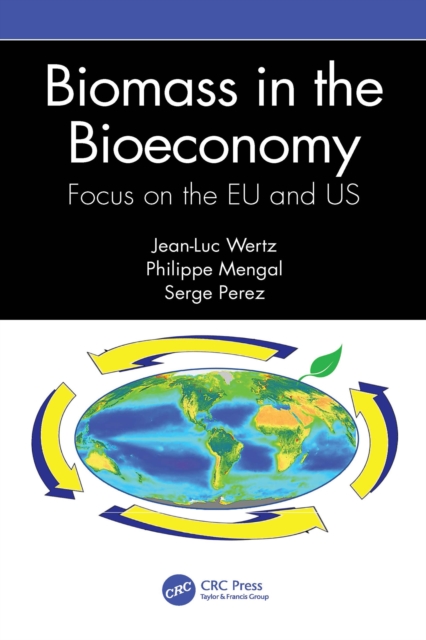
Biomass is the physical basis of the bioeconomy, the renewable segment of the circular economy, and as a CO2-neutral part of the carbon cycle, biomass is an efficient carbon sink.
Biomass is the physical basis of the bioeconomy, the renewable segment of the circular economy, and as a CO2-neutral part of the carbon cycle, biomass is an efficient carbon sink.
Over the last century, the world has lived through changes more rapid than those experienced at any other time in human history, leading to pressing environmental problems and demands on the world's finite resources.