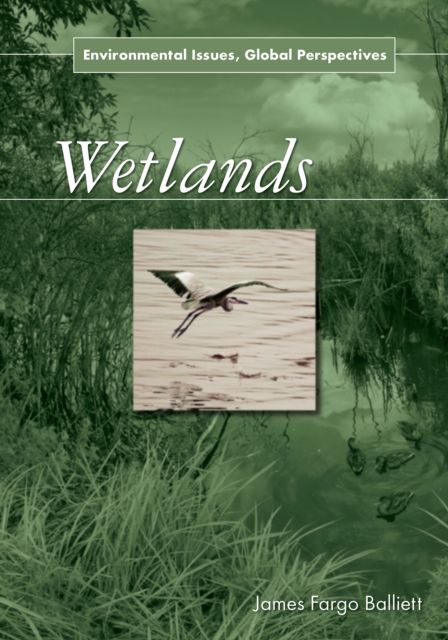
The book provides a comprehensive analysis of the intricate relationship between urban environments and the crucial function of wetland ecosystems in enhancing the resilience of cities worldwide.
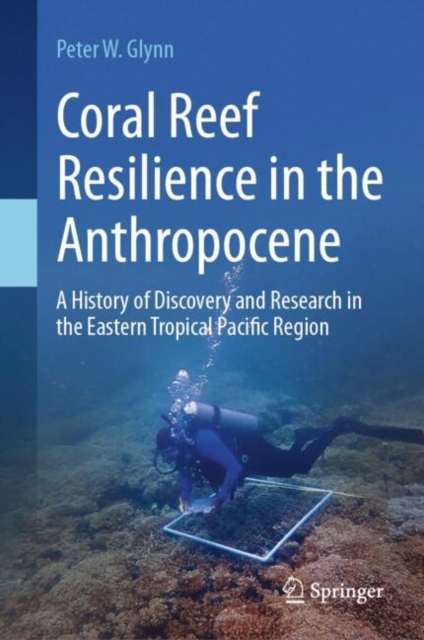
This book chronicles six decades of exploration and ecological studies of Western American coral reefs, a vibrant and diverse ecosystem in a marginal tropical Pacific region that has long been overlooked.
Embark on an unforgettable journey into the heart of the wilderness with "e;The Call of the Wild,"e; a timeless tale of courage, resilience, and the enduring bond between humans and nature.
Dieses Buch berichtet über ein ebenso spannendes wie aktuelles Thema an der Schnittstelle zwischen naturwissenschaftlicher Grundlagenforschung und globaler gesellschaftlicher Herausforderung: die Biodiversität.
This book provides a multidisciplinary perspective on the Andean herpetofauna, covering topics ranging from natural history and thermal ecology to biogeography and conservation.
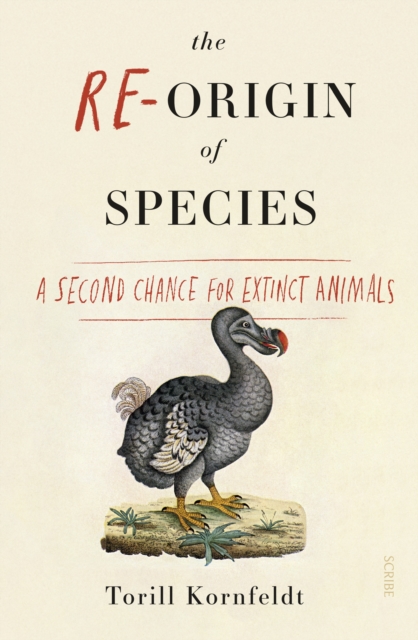
WINNER OF THE ANDREW CARNEGIE MEDAL FOR EXCELLENCE IN NONFICTIONWINNER OF THE NIB LITERARY AWARDFINALIST FOR THE KIRKUS PRIZE FOR NONFICTIONHIGHLY COMMENDED IN THE WAINWRIGHT PRIZE FOR WRITING ON GLOBAL CONSERVATIONA SUNDAY INDEPENDENT BOOK OF THE YEAR There is a kind of hauntedness in wild animals today: a spectre related to environmental change Our fear is that the unseen spirits that move in them are ours.
This book presents the Design for Conservation methodology, a novel approach that empowers communities and conservation professionals to collaboratively address environmental challenges.
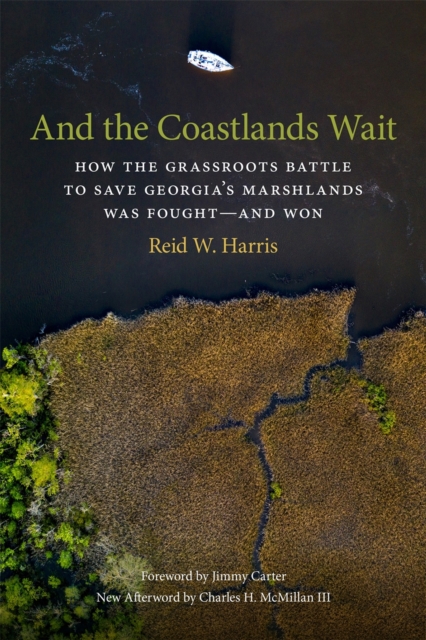
A broad-based coalition of conservative southern politicians, countercultural activists, environmental scientists, sportsmen, devout Christians, garden clubs in Atlanta, and others came together to push the Coastal Marshlands Protection Act of 1970 through the Georgia state legislature.
Originally published in 1987, this book rejects the 'pay through the nose' approach to conservation enshrined in the Wildlife and Countryside Act, and demonstrates the need to strengthen and extend the national parks system to enable more people to enjoy open country.
Originally published in 1987, this book rejects the 'pay through the nose' approach to conservation enshrined in the Wildlife and Countryside Act, and demonstrates the need to strengthen and extend the national parks system to enable more people to enjoy open country.
Mythistory and Memory in Kaziranga explores the cultural and ecological heritage of Kaziranga National Park through the oral traditions of the Karbi people, centering on the mythical figure of Kajir Ronghangpi.
This book explores the economic and political effects of Chinese outward foreign direct investment (COFDI) through in-depth and comparative analyses of COFDI in economically and politically diverse Southeast Asia countries.
This book explores the economic and political effects of Chinese outward foreign direct investment (COFDI) through in-depth and comparative analyses of COFDI in economically and politically diverse Southeast Asia countries.
This book presents a thorough overview and assessment of the economics of the wildlife trade for scholars and conservationists, requiring only a basic understanding of economic principles.
This book provides a comprehensive overview of the influence that the papyrus plant has had on African wetlands (with a particular focus on the Nile) in the past, and how this may change with the oncoming threats of climate change.
Mythistory and Memory in Kaziranga explores the cultural and ecological heritage of Kaziranga National Park through the oral traditions of the Karbi people, centering on the mythical figure of Kajir Ronghangpi.
This book provides a comprehensive overview of the influence that the papyrus plant has had on African wetlands (with a particular focus on the Nile) in the past, and how this may change with the oncoming threats of climate change.
The Future of Life: When Limits Shape EvolutionIn a world where Earth's mass is fixed and its biosphere tightly bound by physical laws, life faces a paradox: unbounded population growth in a finite system.
Este libro pretende contribuir a la formacion de educadores ambientales desde el conocimiento didactico del contenido en educacion ambiental (CDCEA), al igual que sus relaciones con la formacion de profesores mediante la educacion a distancia.
Los diversos planteamientos de cada una de las lecciones de esta obra nos permiten vislumbrar que hay un campo de investigacion prolifico, en donde se pueden poner en discusion varias interconexiones de areas de conocimiento y de accion, recordando que planteamos el estudio de las dimensiones biologica, economico-politica, filosofica, sociocultural y educativa.
This book presents a thorough overview and assessment of the economics of the wildlife trade for scholars and conservationists, requiring only a basic understanding of economic principles.
This book explores the different categories of biomass waste as a renewable resource to generate high added value industrial products such as biofuel, biogas, energy.
This book provides an in-depth, multidisciplinary examination of wildlife trade in India, blending scientific research, legal analysis, and socio-economic perspectives.
This book provides an in-depth, multidisciplinary examination of wildlife trade in India, blending scientific research, legal analysis, and socio-economic perspectives.
This book discusses future biotechnological strategies for plant species conservation and further modification to improve yield and quality characteristics.
This book explores the different categories of biomass waste as a renewable resource to generate high added value industrial products such as biofuel, biogas, energy.
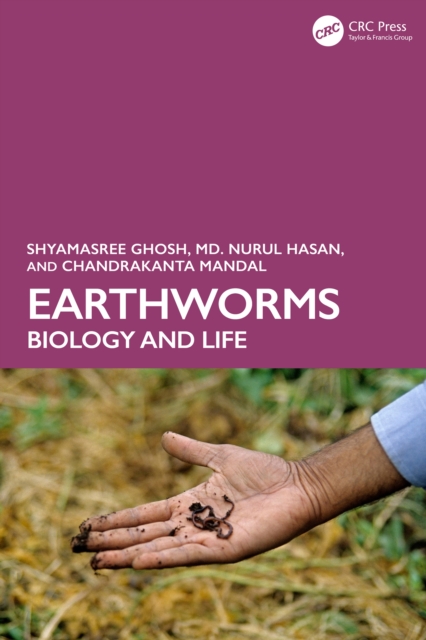
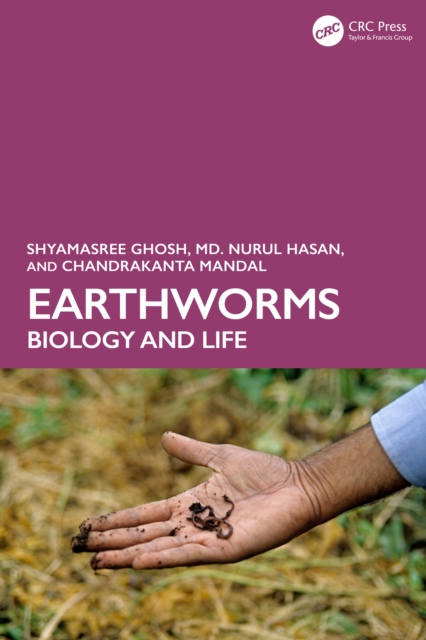
Earthworms: Biology and Life is a scientifically rich and comprehensive exploration of earthworm biology, diversity, and ecological significance, with a particular emphasis on the Indian subcontinent and its global context.
This book discusses future biotechnological strategies for plant species conservation and further modification to improve yield and quality characteristics.
This book aims to overcome the still prevailing schizophrenic divisions among sciences, humanities, the arts, and multiple forms of ecological knowledge.
This book aims to overcome the still prevailing schizophrenic divisions among sciences, humanities, the arts, and multiple forms of ecological knowledge.
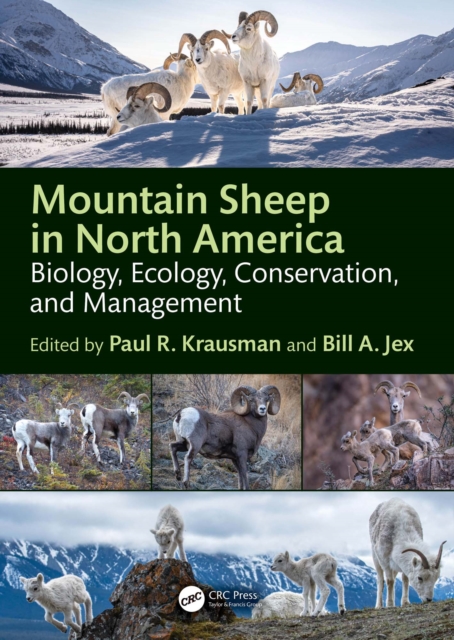
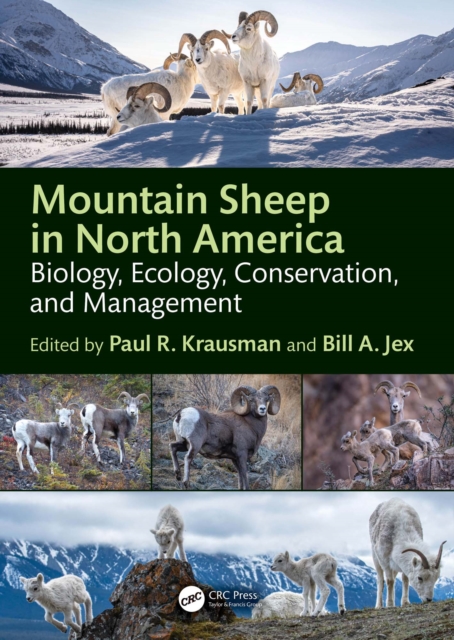
Mountain Sheep in North America: Biology, Ecology, Conservation, and Management provides a detailed account of bighorn and thinhorn sheep across their geographic ranges from Alaska and Canada to Mexico.
Earthworms: Biology and Life is a scientifically rich and comprehensive exploration of earthworm biology, diversity, and ecological significance, with a particular emphasis on the Indian subcontinent and its global context.
Mountain Sheep in North America: Biology, Ecology, Conservation, and Management provides a detailed account of bighorn and thinhorn sheep across their geographic ranges from Alaska and Canada to Mexico.
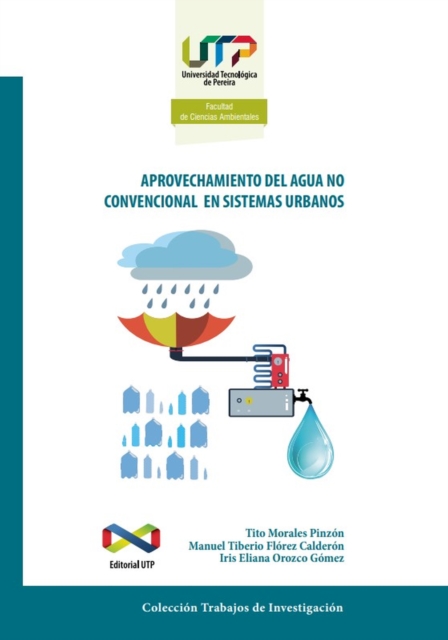
El Aprovechamiento del Agua no Convencional en Sistemas Urbanos es el resultado de varios anos de investigacion reunidos en un documento que presenta diferentes analisis sobre la alternativa de aprovechar agua de lluvia y aguas grises en un entorno urbano.
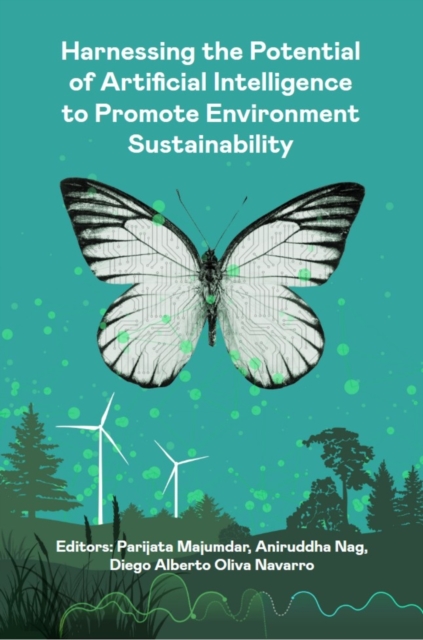
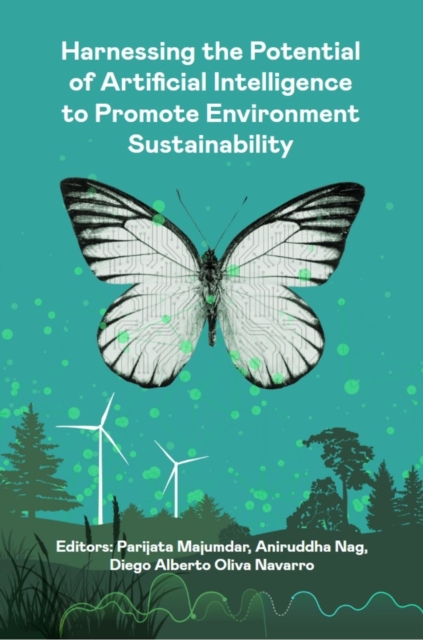
Harnessing the Potential of Artificial Intelligence to Promote Environmental Sustainability provides a comprehensive examination of how AI is transforming environmental conservation and sustainability efforts.
Harnessing the Potential of Artificial Intelligence to Promote Environmental Sustainability provides a comprehensive examination of how AI is transforming environmental conservation and sustainability efforts.
BOOK DESCRIPTIONThe Afterlife of Armageddon: The Environmental and Human Legacy of Nuclear DisarmamentBook 3 of The START TrilogyWhen the Cold War ended and the START treaties dismantled over 13,000 nuclear warheads, the world celebrated peace.