As rising levels of mercury in the environment pose an increasing threat of toxicity to humans and wildlife, several laws already call for industries to reduce mercury emissions at the source.
Incendies de forêt et de brousse gigantesques, pluies torrentielles d'une force inouïe, forêts dépérissantes, inondations, sécheresses catastrophiques et tornades – presque chaque jour, les journaux et les fils d'infos font état de catastrophes.
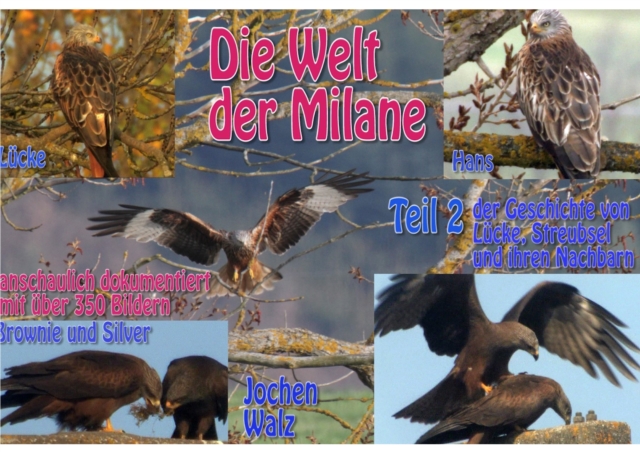
Das "Jahr der Milane" befasst sich weniger mit den wissenschaftlichen Erkenntnissen über die beiden Milanarten, auch wenn diese immer wieder einfliessen, als vielmehr mit dem Alltag der Paare, deren Beziehungen untereinander, mit ihren unmittelbaren Nachbarn und den weiblichen, wie männlichen noch nicht brütenden Junggesellen.
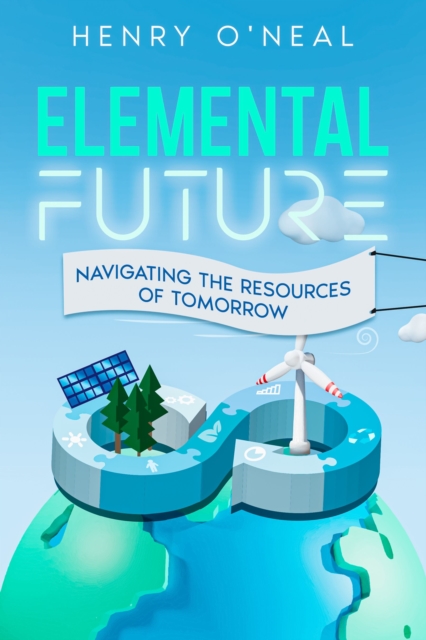
Embark on a Journey to the Future of ResourcesImagine a world where rare earth elements, solar advancements, and sustainable technologies shape our daily lives.
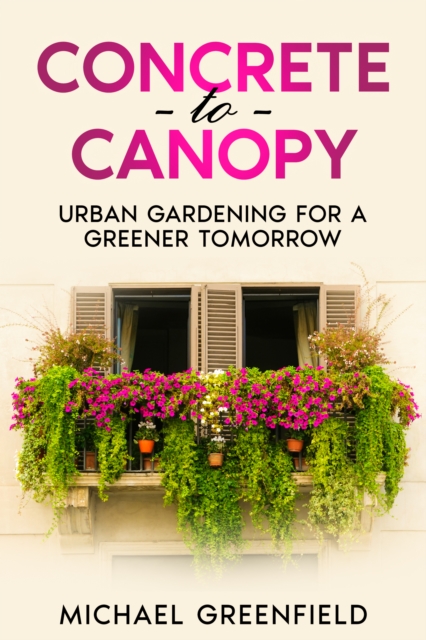
Nurturing Nature Amidst the Concrete JungleIn the heart of every city beats a pulse of potential, a vibrant promise of transformation waiting to unfurl.
Nurturing Nature Amidst the Concrete JungleIn the heart of every city beats a pulse of potential, a vibrant promise of transformation waiting to unfurl.
Embark on a Journey to the Future of ResourcesImagine a world where rare earth elements, solar advancements, and sustainable technologies shape our daily lives.
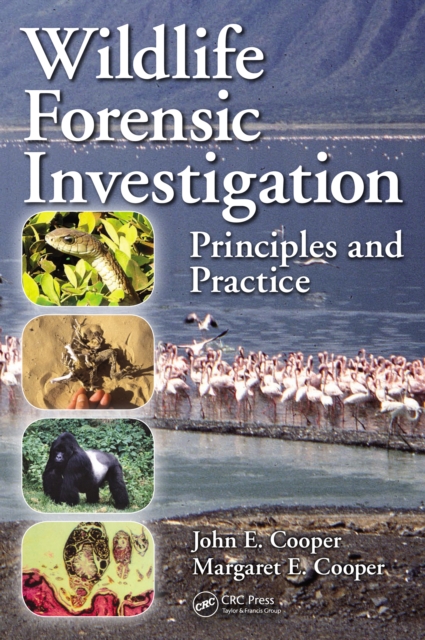
Providing an in-depth introduction to the rapidly evolving field of wildlife forensics, this volume also chronicles aspects of the history of management, conservation, and environmental protection, with an emphasis on their global importance in the twenty-first century.
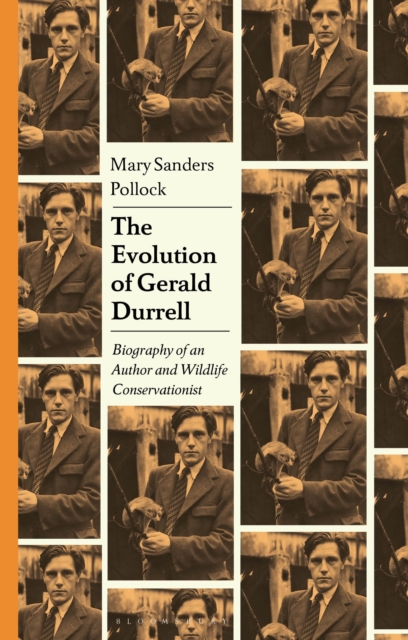
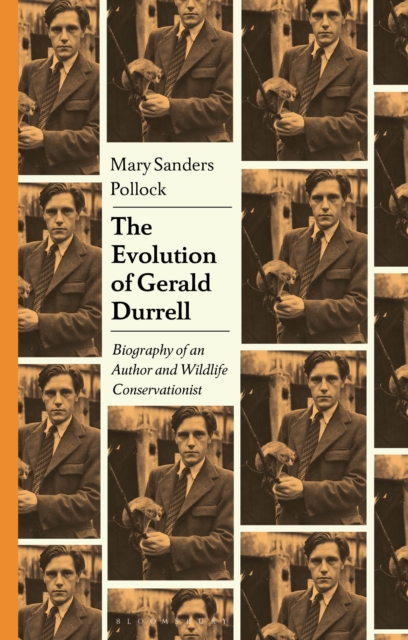
In The Evolution of Gerald Durrell: A Naturalist's Critical Biography, Mary Sanders Pollock revisits the life and work of Gerald Durrell, one of the most significant environmentalist figures of the 20th century.
Originally published in 1994, this book analysed land developments, deforestation and pasture substitution, colonisation schemes and spontaneous settlement during the latter part of the 20th Century.
Originally published in 1994, this book analysed land developments, deforestation and pasture substitution, colonisation schemes and spontaneous settlement during the latter part of the 20th Century.
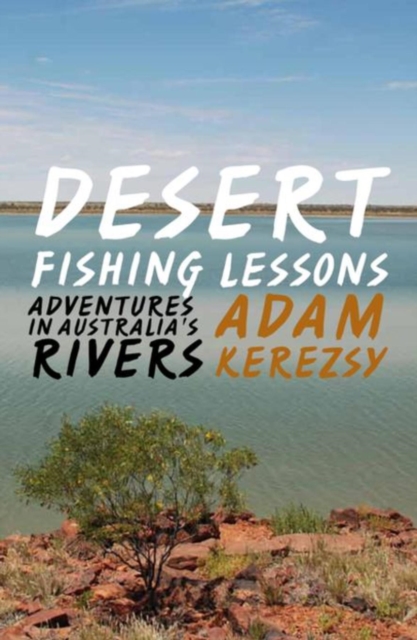
In Desert Fishing Lessons, aquatic ecologist Adam Kerezsy takes you on a rollicking journey through Australia's arid-zone waterways and shows us that have much to learn from healthy desert rivers and the 'tough-as-nails critters' that live in them.
In The Evolution of Gerald Durrell: A Naturalist's Critical Biography, Mary Sanders Pollock revisits the life and work of Gerald Durrell, one of the most significant environmentalist figures of the 20th century.
«Els animals se n'han anat, però ell els conserva la memòria, atura la decadència dels ossos i de la closca, perquè els que vinguin després puguin aturar-s'hi al costat i veure-hi la imatge del propi temps.
WINNER OF THE PEOPLE'S BOOK PRIZE FOR NON-FICTIONLONGLISTED FOR THE WAINWRIGHT PRIZE FOR CONSERVATION WRITINGFINALIST IN THE GARDEN MEDIA GUILD AWARDSFive years after writing her first nature memoir, The Bumblebee Flies Anyway, Kate Bradbury has a new garden.
This timely book delves into the intricate relationship between tourism and poverty with a specific focus on nature conservation areas, using case studies of island economies in a developed country, Japan, and a developing one, Vietnam.
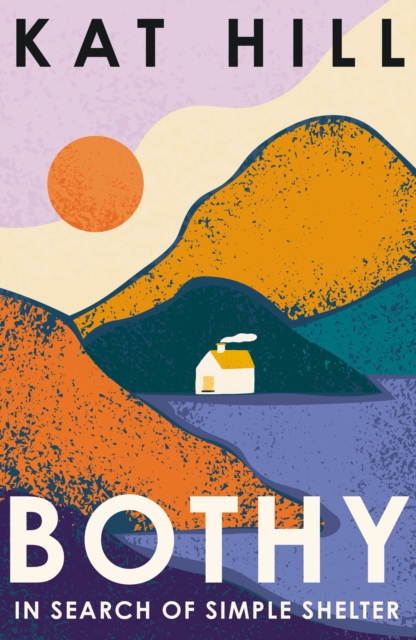
SHORTLISTED FOR THE WAINWRIGHT PRIZEA FINANCIAL TIMES BOOK OF THE YEAR'The bothy embrace is addictive' ADAM NICOLSON'Will have you reaching for your boots' CAL FLYN.
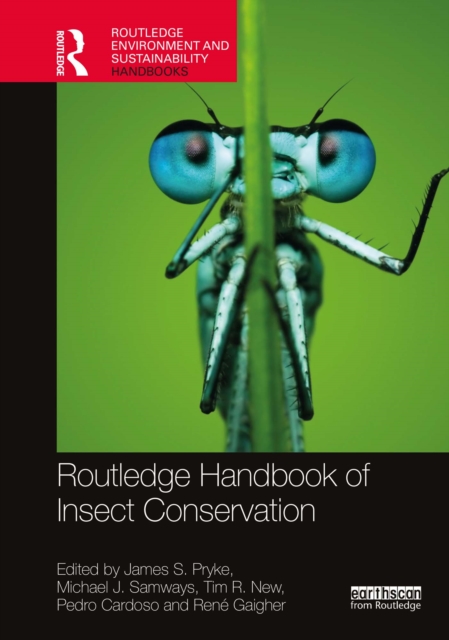
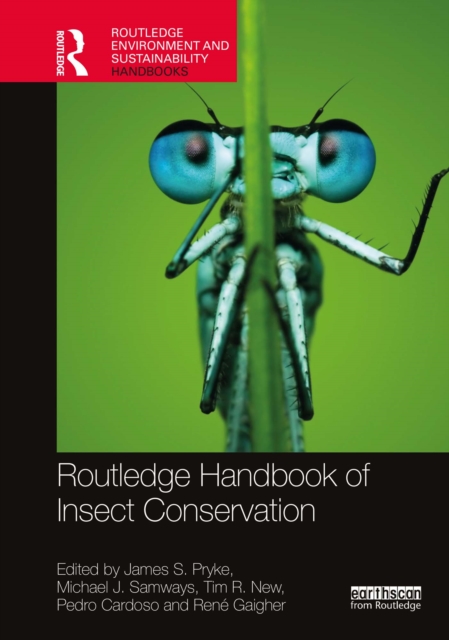
Winner of the 2025 Choice Outstanding Academic TitleThis handbook presents a comprehensive overview of insect conservation and provides practical solutions to counteract insect declines, at a time where insects are facing serious threats across the world from habitat destruction to invasive species and climate change.
Winner of the 2025 Choice Outstanding Academic TitleThis handbook presents a comprehensive overview of insect conservation and provides practical solutions to counteract insect declines, at a time where insects are facing serious threats across the world from habitat destruction to invasive species and climate change.