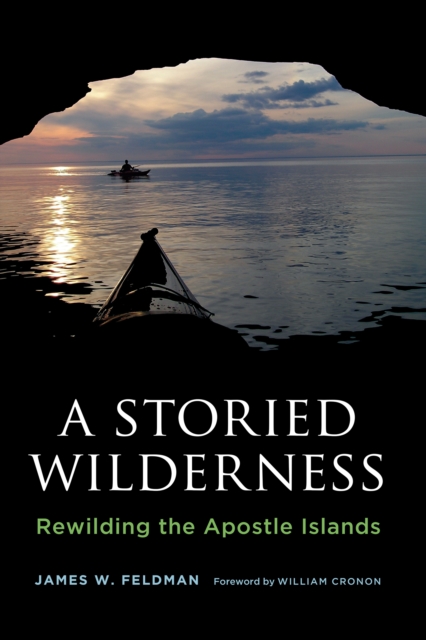
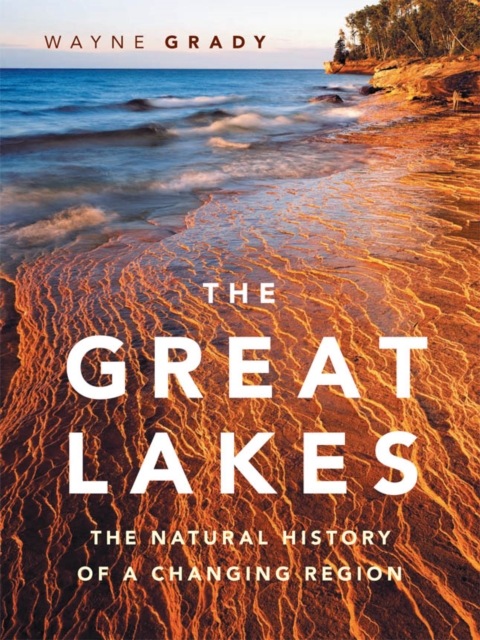
The Apostle Islands are a solitary place of natural beauty, with red sandstone cliffs, secluded beaches, and a rich and unique forest surrounded by the cold, blue waters of Lake Superior.
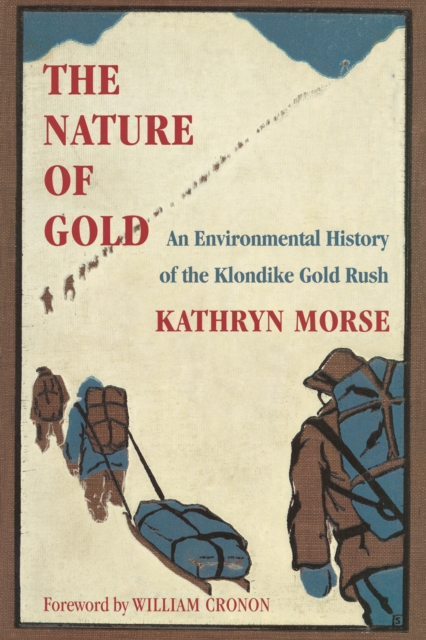
In 1896, a small group of prospectors discovered a stunningly rich pocket of gold at the confluence of the Klondike and Yukon rivers, and in the following two years thousands of individuals traveled to the area, hoping to find wealth in a rugged and challenging setting.
Conservation was the first nationwide political movement in American history to grapple with environmental problems like waste, pollution, resource exhaustion, and sustainability.
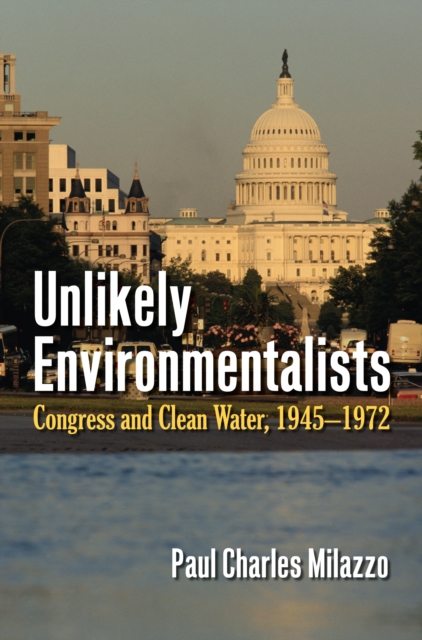
Environmental activism has most often been credited to grassroots protesters, but much early progress in environmental protection originated in the halls of Congress.
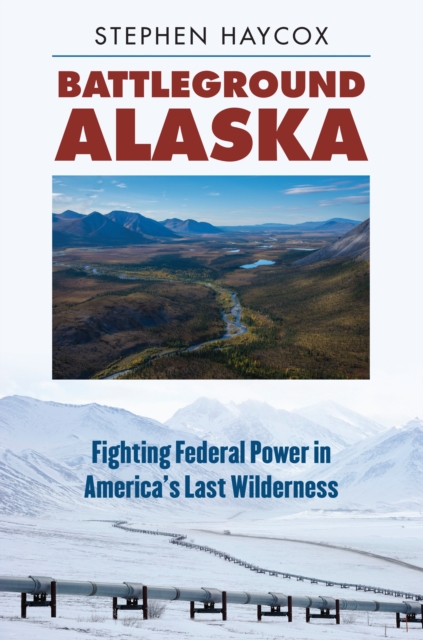
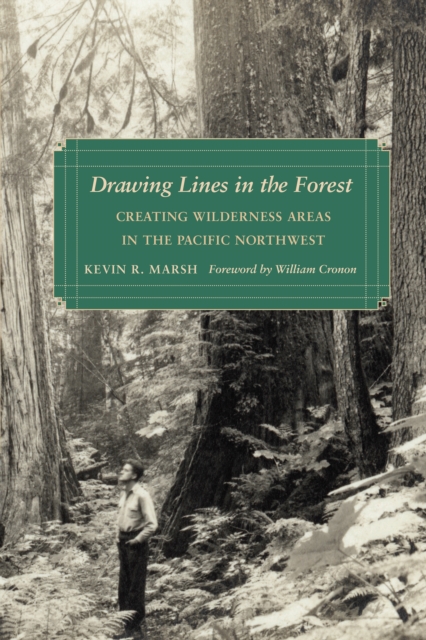
Drawing boundaries around wilderness areas often serves a double purpose: protection of the land within the boundary and release of the land outside the boundary to resource extraction and other development.
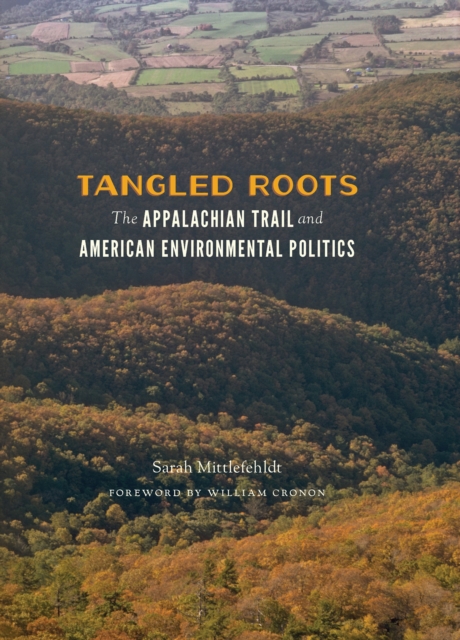
The Appalachian Trail, a thin ribbon of wilderness running through the densely populated eastern United States, offers a refuge from modern society and a place apart from human ideas and institutions.
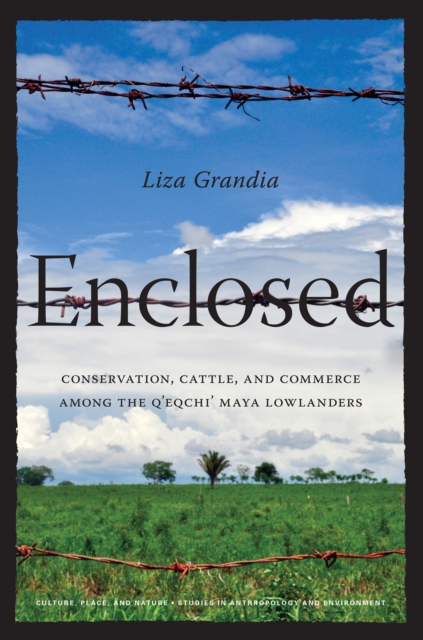
This impassioned and rigorous analysis of the territorial plight of the Q'eqchi Maya of Guatemala highlights an urgent problem for indigenous communities around the world - repeated displacement from their lands.
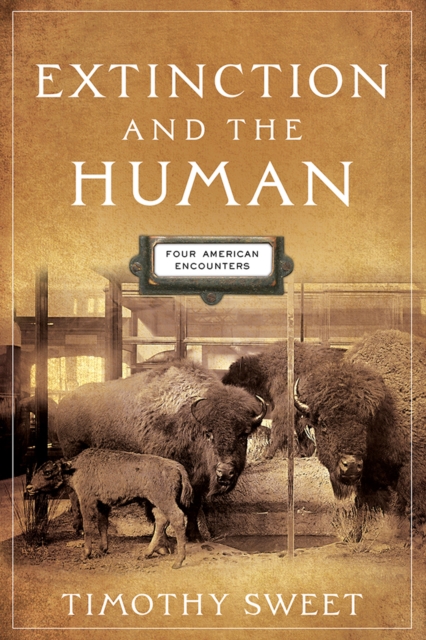
The northeastern seaboard of North America, extending from Labrador to Cape Cod, was the first region of North America to suffer from human exploitation.
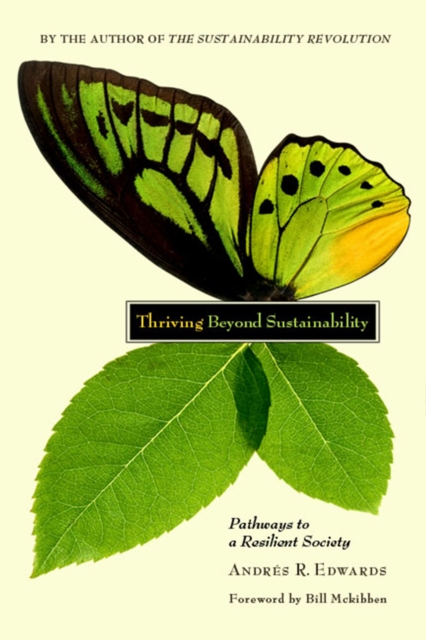
Symptoms of broken systems are all around us, due to our over-consumptive lifestyles, nearly unfettered capitalism, failure to live peaceably together, and the societal dismissal of nature's limits.
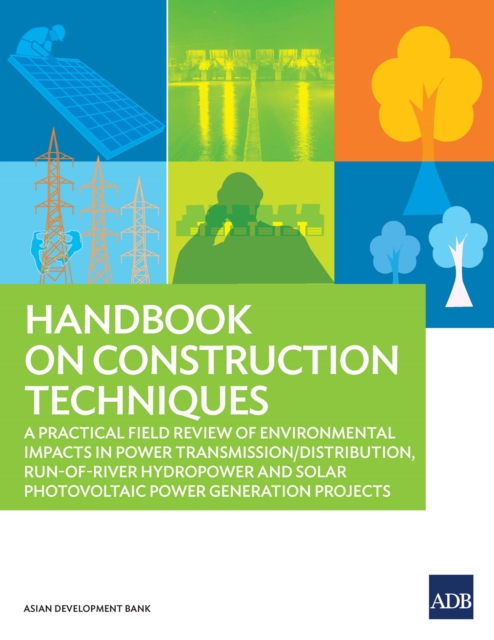
The report highlights a broad spectrum of environmental impacts triggered due to construction, operation, and maintenance and their mitigation for four sectors: (i) power transmission, (ii) distribution, (iii) run-of-river hydropower, and (iv) solar photovoltaic generation projects for dissemination among Asian Development Bank specialists working in the energy sector and environment fields.
The Sulu-Sulawesi Marine Ecoregion (SSME), as the apex of the Coral Triangle, is considered the center of the center of marine biodiversity where the highest number of colorful reef and marine fishes, various sizes of corals and shells, myriad shapes of algae, and protective mangrove forests are found.
This book addresses urban ecology, green technology, problems with climate change prediction, groundwater contamination, invasive species and many other topics, and offers a guardedly optimistic interpretation of humanity's place in nature and our unique caretaker role.
An important text that identifies and introduces new trends in image analysisDigital Analysis of Remotely Sensed Imagery provides thorough coverage of the entire process of analyzing remotely sensed data for the purpose of producing accurate representations in thematic map format.
Finalist for the National Book AwardAn intimate reckoning with aquifer depletion in America's heartlandThe Ogallala aquifer has nourished life on the American Great Plains for millennia.
In this completely revised Texas A&M University Press edition, Guthery and coauthor Fidel Hernndez have breathed new life into a classic work that for more than twenty years has been teaching biologists, managers, and ranchers to think like a quail.
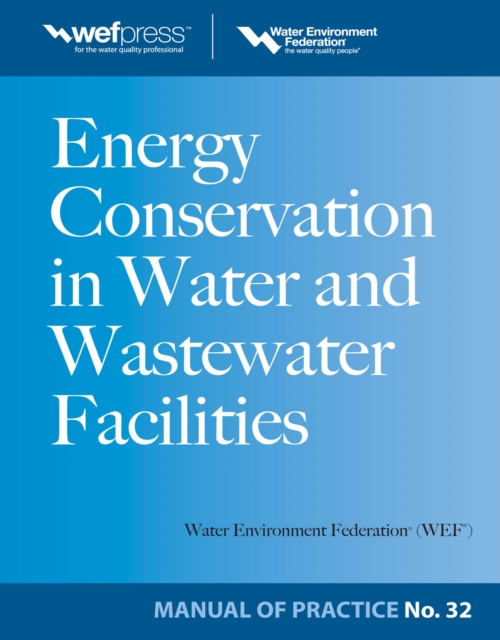
The Definitive Guide to Energy Conservation in Water and Wastewater Treatment PlantsCovering both drinking water treatment as well as wastewater, this authoritative guide from the Water Environment Federation presents the latest strategies for improving energy efficiency in plant operations.
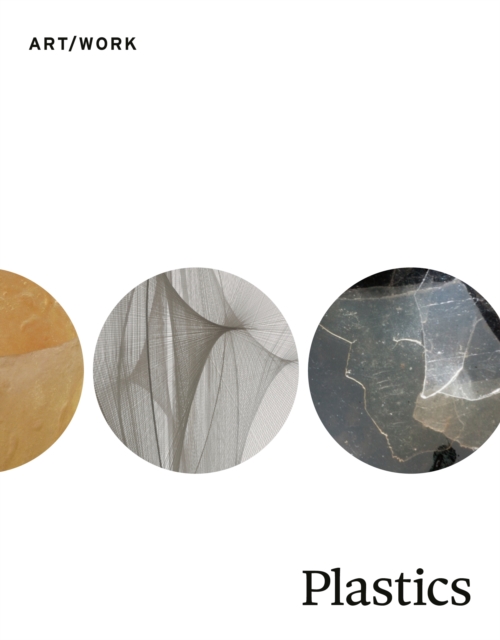
Why modern and contemporary artand art conservationcan't be understood without taking account of the revolutionary impact of plasticsModern and contemporary art wouldn't exist without the invention of plastics.
Revised with a new epilogue, ';We the People,' this fifth edition of National Parks: TheAmerican Experience continues the highly engaging story of how Americans invented and expanded the concept of national parks.
Global climate change requires the development of programs that consider the active restoration of degraded forests and the use of native trees in afforestation to preserve the natural environment.
This book aims to be a comprehensive review of the literature on the conservation genetics of the New World crocodilians, from the biological and demographical aspects of the living species to the application of molecular techniques for conservation purposes.
This monograph is the result of eight years of bibliographical and field research concerning several behavioural ecology aspects of the Palaearctic falcons.
The first broad overview of conservation needs of Australia s largely endemic freshwater insects, drawing on examples and information from many parts of the world to illustrate and develop needs and practical prospects for conservation in inland water environments.
This edited volume focuses on how we can protect our environment and enhance environmental sustainability when faced with changes and pressures imposed by our expansive needs.
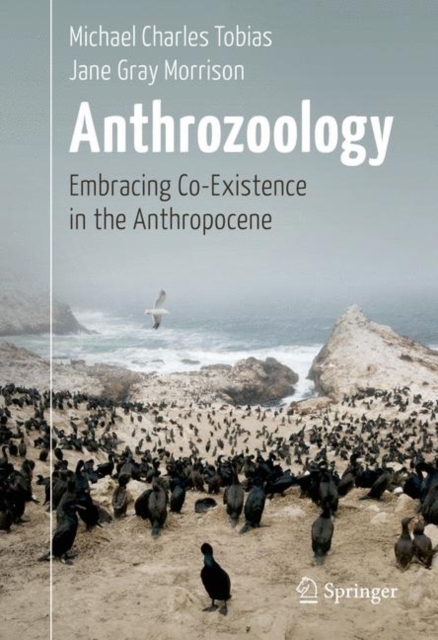
This groundbreaking work of both theoretical and experiential thought by two leading ecological philosophers and animal liberation scientists ventures into a new frontier of applied ethical anthrozoological studies.
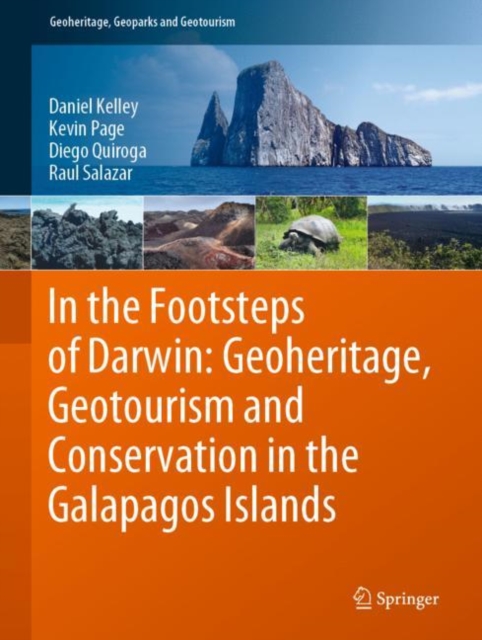
This book provides the first-ever overview of and guide to the geological setting and related features of the famous, volcanically active Galapagos Islands, as well as an in-depth analysis of the setting's relationship to the region's unique and iconic ecology, and its conservation.
Plant classifications are based on morphological characters and it is difficult, particularly in small plants and grasses, to identify these below generic level on the basis of these characters using a dissecting microscope.
This book chronicles the decades-long work of studying, analyzing, and reversing the environmental pressures that threatened India's Chilika Lagoon, the largest brackish-water lagoon in the region, and the second largest in the world.