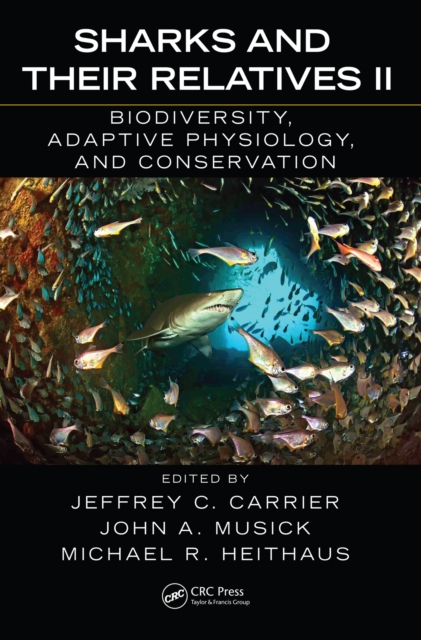
Since the award-winning first volume, The Biology of Sharks and Their Relatives, published in 2004, the field has witnessed tremendous developments in research, rapid advances in technology, and the emergence of new investigators beginning to explore issues of biodiversity, distribution, physiology, and ecology in ways that eluded more traditional
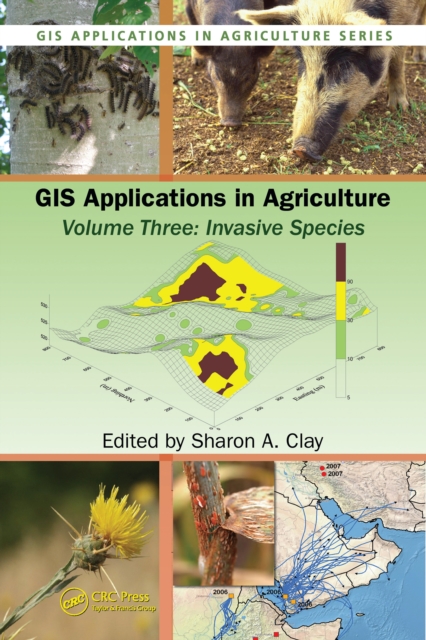
While many "e;alien"e; plant and animal species are purposefully introduced into new areas as ornamentals, livestock, crops, and even pets, these species can escape into other areas and threaten agricultural and native ecosystems causing economic and environmental harm, or harm to human health.
This timely volume examines the work of the National Estuary Program, the prominent federally-funded initiative dealing with pollution and other anthropogenic impacts on estuarine ecosystems and the management plans necessary to ensure that these invaluable natural treasures remain healthy and productive for future generations.
Choosing the optimal management option requires environmental risk managers and decision makers to evaluate diverse, and not always congruent, needs and interests of multiple stakeholders.
We live in a world of wide pendulum swings regarding management policies for protected areas, particularly as they affect the involvement of local people in management.
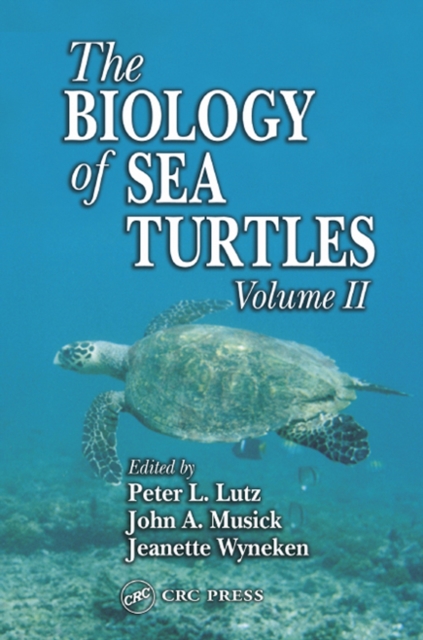
The success of the first volume of The Biology of Sea Turtles revealed a need for broad but comprehensive reviews of major recent advances in sea turtle biology.
As a review of the status of biogeography in the West Indies in the 1980s, the first edition of Biogeography of the West Indies: Past, Present, and Future provided a synthesis of our current knowledge of the systematics and distribution of major plant and animal groups in the Caribbean basin.
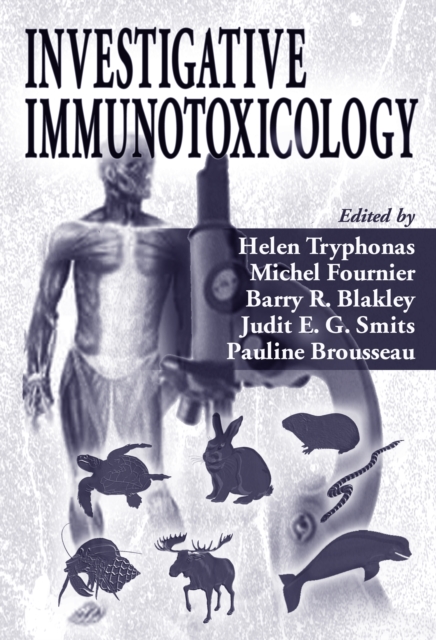
Investigative Immunotoxicology provides a critical evaluation of proposed experimental animal models and approaches, and discusses the contribution that immunotoxicity can make to the overall assessment of chemical-induced adverse health effects on humans and the ecosystem.
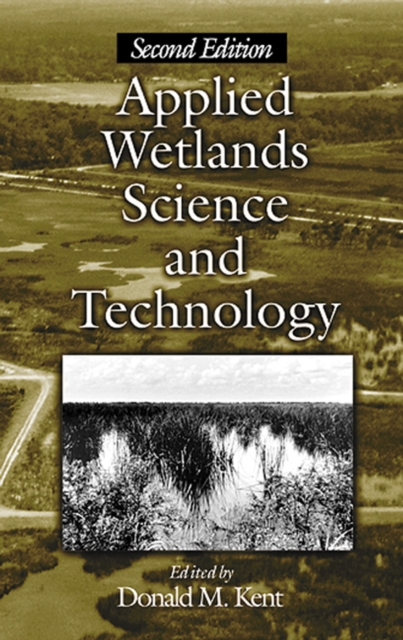
Continuing the tradition of excellence established by the first edition, the Second Edition of Applied Wetlands Science and Technology provides the fundamentals for delineating, identifying, and regulating wetlands.
Consciously or not, wildlife managers generally act from a theoretical basis, although they may not be fully versed in the details or ramifications of that theory.
Part of the worldwide biodiversity program DIVERSITAS, the Global Mountain Biodiversity Assessment (GMBA) assesses the biological richness of high-elevation biota.
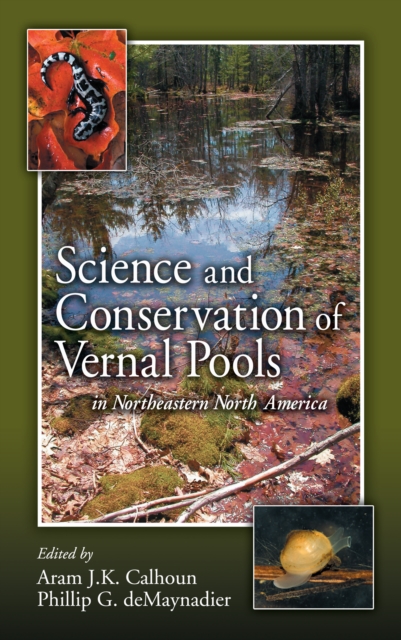
Synthesizes Decades of Research on Vernal Pools SciencePulling together information from a broad array of sources, Science and Conservation of Vernal Pools in Northeastern North America is a guide to the issues and solutions surrounding seasonal pools.
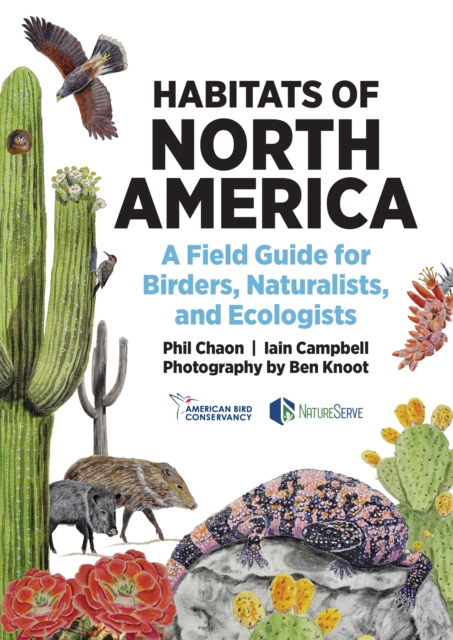
A richly illustrated field guide to all of North America's major habitatspacked with invaluable information to help you get the most out of your outdoor adventuresWhether you're a birder, naturalist, outdoor enthusiast, or ecologist, knowing the surrounding habitat is essential to getting the most out of your experiences in the field.
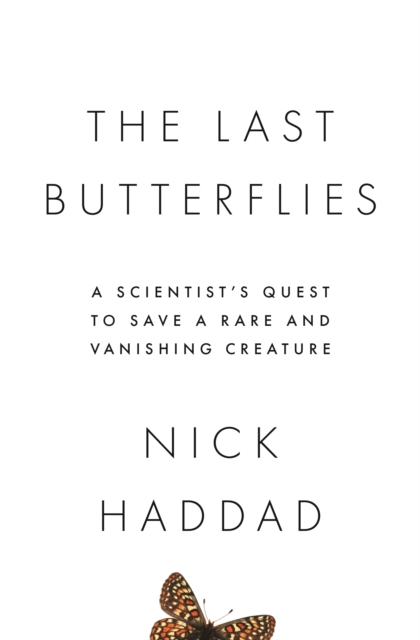
A remarkable look at the rarest butterflies, how global changes threaten their existence, and how we can bring them back from near-extinctionMost of us have heard of such popular butterflies as the Monarch or Painted Lady.
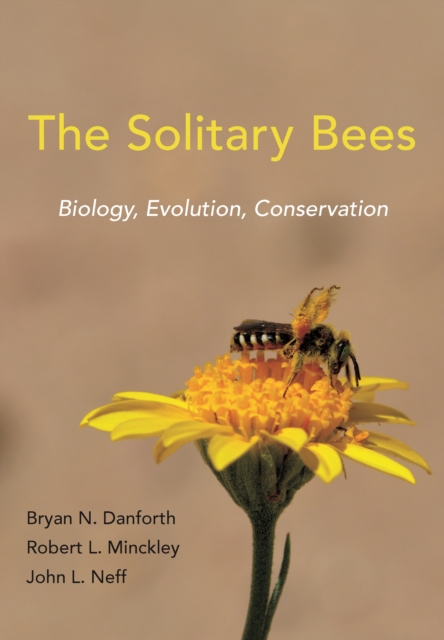
The most up-to-date and authoritative resource on the biology and evolution of solitary beesWhile social bees such as honey bees and bumble bees are familiar to most people, they comprise less than 10 percent of all bee species in the world.
Described as 'Britain's greatest living nature writer', Richard Mabey has revealed his passion for the natural world in eloquent stories for BBC Wildlife Magazine.
From Martin Dorey - lifelong camper, campervanner and committed environmentalist - a manifesto on how to camp greener and more responsibly while enjoying the outdoors.
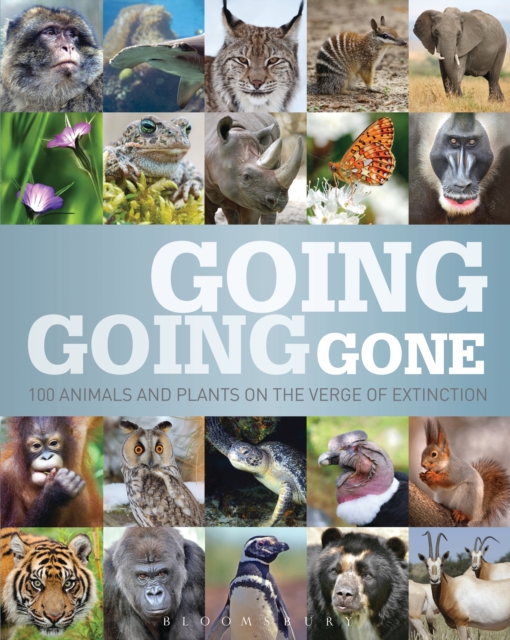
'An honest, compelling and important account, and a critical plea for a fusion of farming, food and nature to provide global ecological security' CHRIS PACKHAMWhy are so many animals facing extinction?
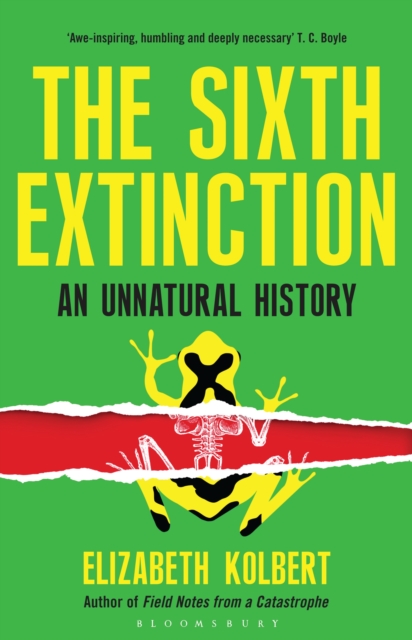
________________ WINNER OF THE 2015 PULITZER PRIZE FOR GENERAL NON-FICTION ________________ 'An invaluable contribution to our understanding of present circumstances, just as the paradigm shift she calls for is sorely needed' - Al Gore, New York Times 'Compelling .
_______________'When the history of the climate crisis is written, Hansen will be seen as the scientist with the most powerful and consistent voice calling for intelligent action to preserve our planet's environment' - Al Gore'Few people know more about climate change than James Hansen .
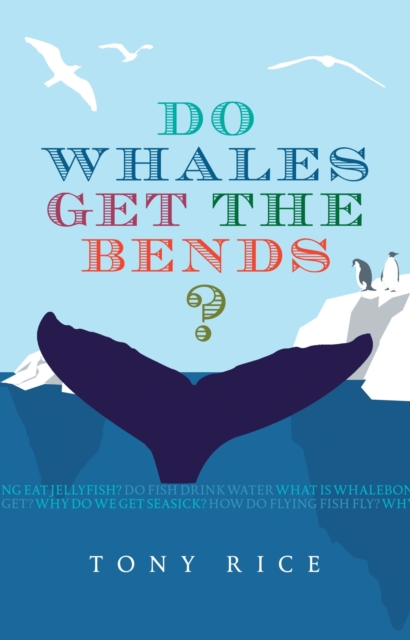
Using a question and answer format, this entertaining narrativeaddresses a multitude of general interest questions about the sea, sea life,seabirds and man's relationship with the sea.
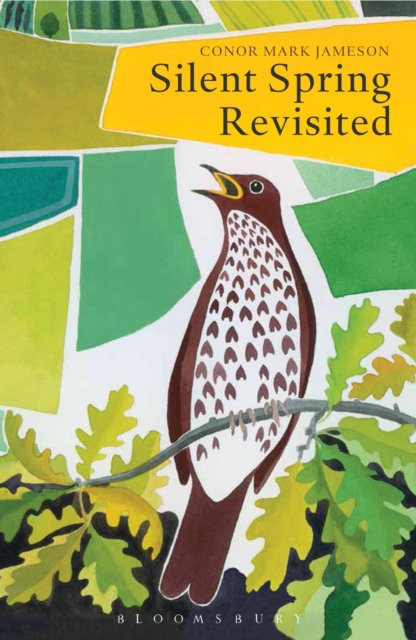
American scientist and author Rachel Carson is said to have sparked the modern day environmental movement with the publication of Silent Spring in 1962.