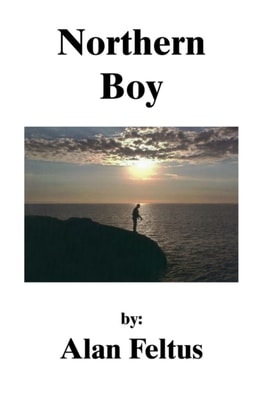
The Almaguin Highlands, an extensive territory covering a 90 kilometre corridor from Huntsville, north to Callander, west to Dunchurch, and east to the Algonquin Park border, is a land rich with lakes, rivers, and a lively history.
The Almaguin Highlands, an extensive territory covering a 90 km corridor from Huntsville, north to Callander, west to Dunchurch and east to the Algonquin Park border, is a land rich with lakes, rivers and a lively history.
As humanity sits at an existential crossroads, this book introduces the need to build a nature-positive future to secure the functioning and stability of Earth systems essential to the survival and wellbeing of present and future human generations as well as the rest of Earth's amazing diversity of life.
This Springer Handbook assembles the existing knowledge concerning plastic materials and identifies obstacles and objectives of innovations and technologies that will bring human society closer to the goal of a fully circular economy of plastic materials.
This vintage book contains a complete guide to the history of alcohol in the Far East, with information on popularity, costs, influence, laws, production techniques, and many other related aspects.
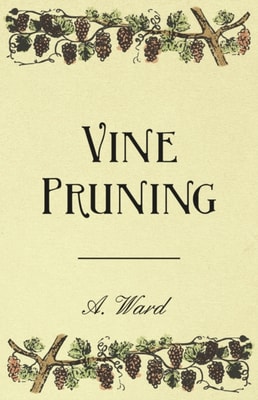
This charming vintage text provides a brief history into the wines of Germany and Switzerland, and mentions the famous German vineyards Steinberg and Johannesburg, both of which remain of historical significance today.
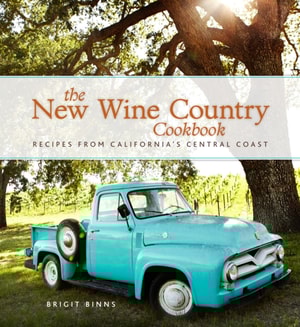
This fascinating collection of traditional fruit, botanical, and vegetable wine recipes will delight any amateur winemaker or enthusiast, featuring simple instructions that remain of great practical use today.
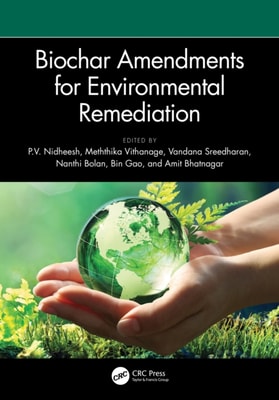
In the captivating book Biochar Amendments for Environmental Remediation, readers are invited to explore the critical role of biochar in fostering a cleaner environment through its eco-friendly, cost-effective, and sustainable applications such as removal of diverse pollutants from water and wastewater.
If you love Milly Johnson, Trisha Ashley and Catherine Alliott, you'll love Jane Wenham-Jones's deliciously entertaining tale of love, friendship and secrets!
This book provides an analysis of the impact of the climate crisis on corporate law and theory in the coming decades as the world seeks to meet the target of net zero carbon emissions by 2050.
This set of exercises has been created expressly for students and teachers of conservation biology and wildlife management who want to have an impact beyond the classroom.
The quantitative assessment of the impact of climate change on water availability and water resources management requires knowledge of climate, hydro(geo)logical and water resources models, and particularly the relationships between each of them.
The quantitative assessment of the impact of climate change on water availability and water resources management requires knowledge of climate, hydro(geo)logical and water resources models, and particularly the relationships between each of them.
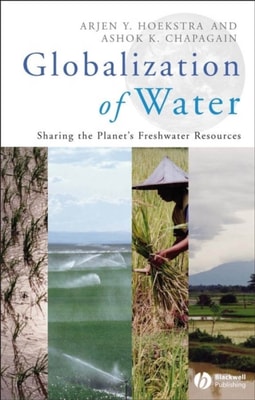
Fast changing legislation and increasing environmental awareness within the non-scientific community demands that the modern approach to the management of rivers and water resources should be based on a sound understanding and application of the scientific and ecological principles that underlie freshwater processes.
Once a purely technical sub-discipline of hydrology, water quality management is now a social and political discipline, with concerns ranging from ensuring adequate health standards to preserving biological diversity and ecosystem integrity.
In this volume marine experts from countries of East Africa and southern Asia describe the conditions of marine resources of the large marine ecosystems of the Indian Ocean.
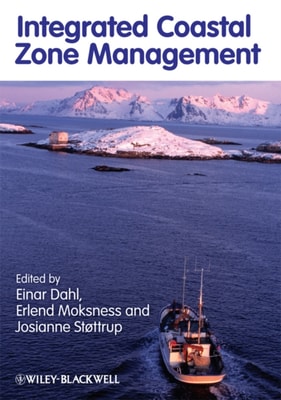
This succinct, technical reference of coastal-zone resource management is aimed both at students taking courses in coastal management or marine conservation and practitioners in these fields.
At the heart of environmental protection is risk assessment: the likelihood of pollution from accidents; the likelihood of problems from normal and abnormal operation of industrial processes; the likely impacts associated with new synthetic chemicals; and so on.
This concise introductory text provides a complete overview of biodiversity - what it is, how it arose, its distribution, why it is important, human impact upon it, and what should be done to maintain it.
Drawing on entries from The Encyclopedia of Ecology and Environmental Management, this concise reference will provide an essential quick guide for those working in the field of environmental management: consultants, planners, environmental advisors in industry, and students.
This book addresses the fundamental requirement for an interdisciplinary catchment based approach to managing and protecting water resources that crucially includes an understanding of land use and its management.
This set of exercises has been created expressly for students and teachers of conservation biology and wildlife management who want to have an impact beyond the classroom.