The joint challenges of population increase, food security and conservation of agrobiodiversity demand a rethink of plant breeding and agricultural research from a different perspective.
The joint challenges of population increase, food security and conservation of agrobiodiversity demand a rethink of plant breeding and agricultural research from a different perspective.
International organisations such as the World Bank began to intervene in the transboundary water governance of the Ganges-Brahmaputra-Meghna river basin in the mid-2000s, and the South Asia Water Initiative (SAWI) is its most ambitious project in this regard.
International organisations such as the World Bank began to intervene in the transboundary water governance of the Ganges-Brahmaputra-Meghna river basin in the mid-2000s, and the South Asia Water Initiative (SAWI) is its most ambitious project in this regard.
This book is directly aligned to the NEBOSH Certificate in Environmental Management, which is a qualification aimed primarily at those in business who influence the environmental performance of their organisation by the decisions that they make as managers or the actions that they take as operators.
This book is directly aligned to the NEBOSH Certificate in Environmental Management, which is a qualification aimed primarily at those in business who influence the environmental performance of their organisation by the decisions that they make as managers or the actions that they take as operators.
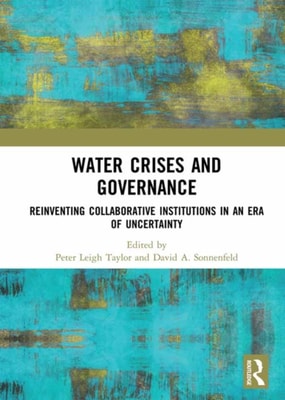
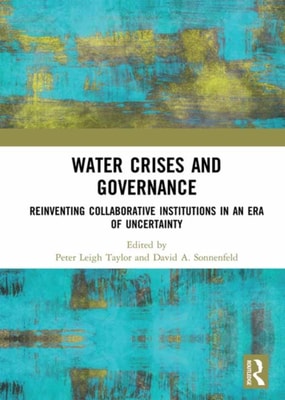
Water Crises and Governance critically examines the relationship between water crises and governance in the face of challenges to provide water for growing human demand and environmental needs.
Water Crises and Governance critically examines the relationship between water crises and governance in the face of challenges to provide water for growing human demand and environmental needs.
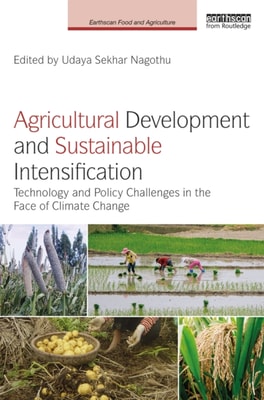
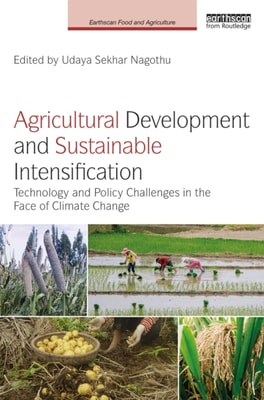
Sustainable Intensification (SI) has recently emerged as a key concept for agricultural development, recognising that yields must increase to feed a growing world population, but it must be achieved without damage to the environment, on finite land resources and while preserving social and natural capital.
Sustainable Intensification (SI) has recently emerged as a key concept for agricultural development, recognising that yields must increase to feed a growing world population, but it must be achieved without damage to the environment, on finite land resources and while preserving social and natural capital.
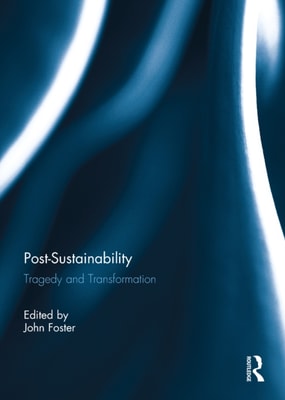
Whether it is the effects of climate change, the avalanche of electronic and plastic waste or the substandard living and working conditions of billions of our fellow global citizens, our ability to deal with unsustainability will define the twenty-first century.
Whether it is the effects of climate change, the avalanche of electronic and plastic waste or the substandard living and working conditions of billions of our fellow global citizens, our ability to deal with unsustainability will define the twenty-first century.