This book understands the postracial as a genrelike the zombie apocalypsethat signals a disturbance in society that is felt as terrifying and exciting.
The Carleton Library Series returns this classic in political economy and Canadian historical writing to print, with a new introduction by Robert Young.
Using arguments that parallel those of Blaise Pascal and William James, Haller offers prudential reasons for caution that should convince those not already persuaded by ethical arguments.
This book is the first major study of the history of environmentalism, from its origins in romanticism and the nature cults of the late 18th century to the global environmental movements of today.
This collection responds to widespread, complex, and current environmental challenges by presenting eleven original essays on a new elemental-embodied approach in environmental humanities.
Small World, Big Ideascollects twelve of the most inspiring and courageous activists together to share their stories and present an inspiring vision of what each of us can do to build a better world today.
From one of our finest writers and leading environmental thinkers, a powerful book about how the land we share divides us-and how it could unite usToday, we are at a turning point as we face ecological and political crises that are rooted in conflicts over the land itself.
In the 21st century, the old colonial attitude of terra nullius, meaning a vacant place free for the taking, still lurks behind the global economic expropriation of peoples' lands and bodies.
Questo libro ha lo scopo di fornire un’ampia riflessione sui principi generali della fisica e gli elementi fondanti della conoscenza scientifica nella loro unitarietà.
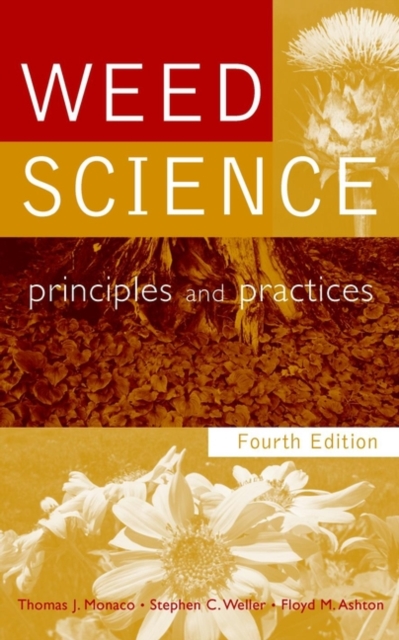
The updated edition of the classic, fundamental book on weed science Weed Science provides a detailed examination of the principles of integrated weed management with important details on how chemical herbicides work and should be used.
Always controversial, Thomas DeGregori has released another classic volume that is sure to inform, confound, and present new perspectives on todays environmental issues.
This long-promised sequel to Ophuls's influential and controversial classic Ecology and the Politics of Scarcity is an equally provocative critique of the liberal philosophy of government.
This long-promised sequel to Ophuls's influential and controversial classic Ecology and the Politics of Scarcity is an equally provocative critique of the liberal philosophy of government.
Environmental scientist and writer Haydn Washington argues that we will not solve the environmental crisis unless we change our worldview and ethics, and to do so we must rejuvenate our sense of wonder at nature.
Environmental scientist and writer Haydn Washington argues that we will not solve the environmental crisis unless we change our worldview and ethics, and to do so we must rejuvenate our sense of wonder at nature.
Indigenous, Modern and Postcolonial Relations to Nature contributes to the young field of intercultural philosophy by introducing the perspective of critical and postcolonial thinkers who have focused on systematic racism, power relations and the intersection of cultural identity and political struggle.
Indigenous, Modern and Postcolonial Relations to Nature contributes to the young field of intercultural philosophy by introducing the perspective of critical and postcolonial thinkers who have focused on systematic racism, power relations and the intersection of cultural identity and political struggle.
Nature in Mind explores a kind of madness at the core of the developed world that has separated the growth of human cultural systems from the destruction of the environment on which these systems depend.
Nature in Mind explores a kind of madness at the core of the developed world that has separated the growth of human cultural systems from the destruction of the environment on which these systems depend.
This book focuses on the challenges of living with climate disasters, in addition to the existing gender inequalities that prevail and define social, economic and political conditions.
This book focuses on the challenges of living with climate disasters, in addition to the existing gender inequalities that prevail and define social, economic and political conditions.
Daoism and Environmental Philosophy explores ethics and the philosophy of nature in the Daodejing, the Zhuangzi, and related texts to elucidate their potential significance in our contemporary environmental crisis.
Daoism and Environmental Philosophy explores ethics and the philosophy of nature in the Daodejing, the Zhuangzi, and related texts to elucidate their potential significance in our contemporary environmental crisis.
The Radical Ecology of the Shelleys: Eros and Environment is the first full-length study to explore a radically queer ecology at work in writings by Percy Bysshe Shelley and Mary Wollstonecraft Shelley as their discussions of nature and the natural consistently link ecology and erotic practice.
The Radical Ecology of the Shelleys: Eros and Environment is the first full-length study to explore a radically queer ecology at work in writings by Percy Bysshe Shelley and Mary Wollstonecraft Shelley as their discussions of nature and the natural consistently link ecology and erotic practice.
With an emphasis on the challenges of sustaining the commons across local to global scales, Making Commons Dynamic examines the empirical basis of theorising the concepts of commonisation and decommonisation as a way to understand commons as a process and offers analytical directions for policy and practice that can potentially help maintain commons as commons in the future.
With an emphasis on the challenges of sustaining the commons across local to global scales, Making Commons Dynamic examines the empirical basis of theorising the concepts of commonisation and decommonisation as a way to understand commons as a process and offers analytical directions for policy and practice that can potentially help maintain commons as commons in the future.
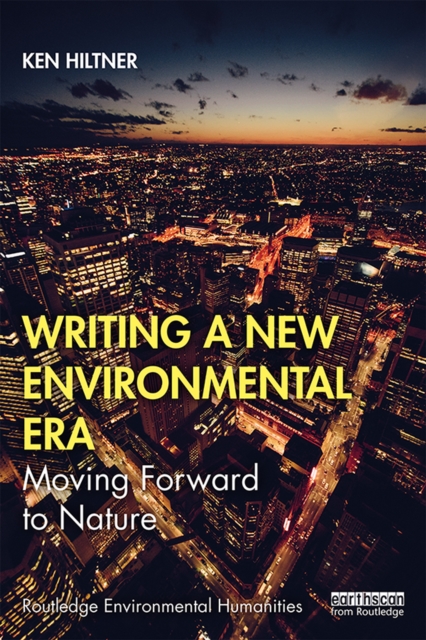
Writing a New Environmental Era first considers and then rejects back-to-nature thinking and its proponents like Henry David Thoreau, arguing that human beings have never lived at peace with nature.
Writing a New Environmental Era first considers and then rejects back-to-nature thinking and its proponents like Henry David Thoreau, arguing that human beings have never lived at peace with nature.
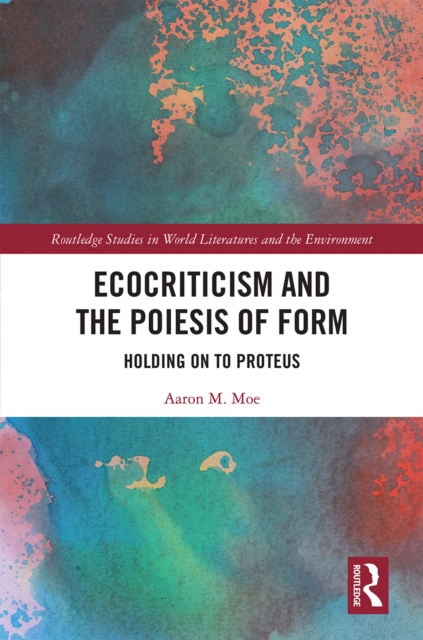
Ecocriticism and the Poiesis of Form: Holding on to Proteus demonstrates how a fractal imagination helps one hold the form of a poem within the reaches of Deep Time, and it explores the kinship between the hazy, liminal moment when Sound becomes Syllable and the hazy, liminal moment when the sage energy of the Atom made a leap toward the gaze of the first cell, to echo Merwin.