Descriptive writing of a high order this is an extremely intelligent book The TimesJoin Douglas Adams, bestselling and beloved author of The Hitchhiker s Guide to the Galaxy, and zoologist Mark Carwardine on an adventure in search of the world s most endangered and exotic creatures.
Climate change is perhaps the most important issue of our time and yet despite the urgency of the problem, the measures necessary to mitigate it have not been implemented.
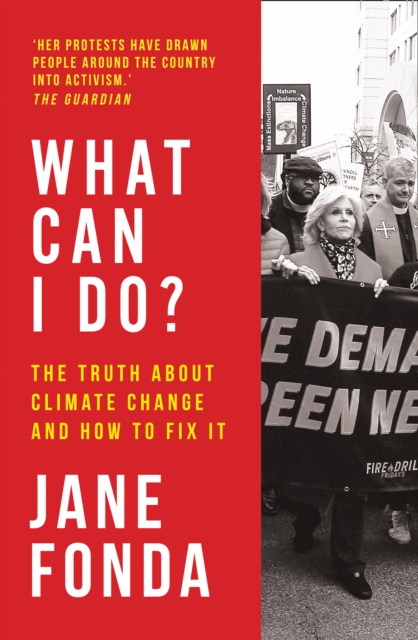
A call to action from Jane Fonda, one of the most inspiring activists of our time, urging us to wake up to the looming disaster of climate change and equipping us with the tools we need to join her in protest This is the last possible moment in history when changing course can mean saving lives and species on an unimaginable scale.
Sustainagility is about the ability to solve some of the world's most complex sustainability challenges with rapidly evolving business innovations, applications, methods, products and processes, adapted to changing situations.
'My favourite book about the wilderness' Cheryl Strayed, author of WildIn this shimmering masterpiece of American nature writing, Edward Abbey ventures alone into the canyonlands of Moab, Utah, to work as a seasonal ranger for the United States National Park Service.
'It's important that everyone with an interest in fashion reads this book so we can live on a healthier planet' Arizona Muse 'The most timely book you'll read this year' India Knight* * * * * Running out of space for the clothes you can't stop buying?
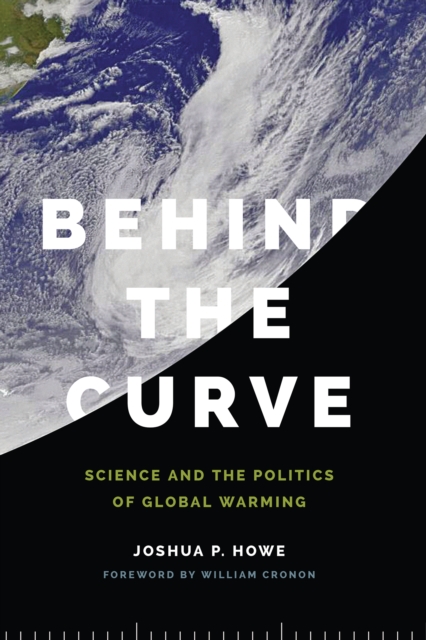
The ongoing assault on climate science in the United States has never been more aggressive, more blatant, or more widely publicized than in the case of the Hockey Stick graph-a clear and compelling visual presentation of scientific data, put together by MichaelE.
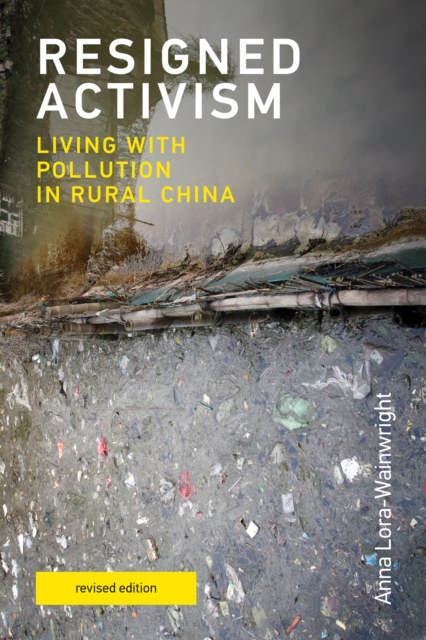
Though China's economy is projected to become the world's largest within the next twenty years, industrial pollution threatens both the health of the country's citizens and the natural resources on which their economy depends.
Daniel McCool not only chronicles the history of water development agencies in America and the way in which special interests have abused rather than preserved the country's rivers, he also narrates the second, brighter act in this ongoing story: the surging, grassroots movement to bring these rivers back to life and ensure they remain pristine for future generations.
The media constantly bombard us with news of health hazards lurking in our everyday lives, but many of these hazards turn out to have been greatly overblown.
Community-based forest management (CBFM) is a model of forest management in which a community takes part in decision making and implementation, and monitoring of activities affecting the natural resources around them.
The hilarious true-life tale of one man's journey from self-confessed planet-killing lad to eco-friendly, green-crusader Dad set against the backdrop of Cool Britannia, Blair's Britain and the rise of the green movement.
A powerful novel exploring the effects of autism on a young family from Marti Leimbach, author of the international bestseller 'Dying Young', who has experienced and dealt with the condition within her immediate family.
In a world where we're bombarded with advice on going green, authors Mark Townsend and David Glick take a refreshing line and tell us how NOT to go green.
The National Spatial Data Infrastructure (NSDI) is the means to assemble geographic information that describes the arrangement and attributes of features and phenomena on the Earth.
This novel volume delves into a specific and crucial aspect of early years pedagogy - the intersection between early childhood education and spirituality, offering tips on nurturing spirituality and a sense of connectedness with nature through outdoor learning.
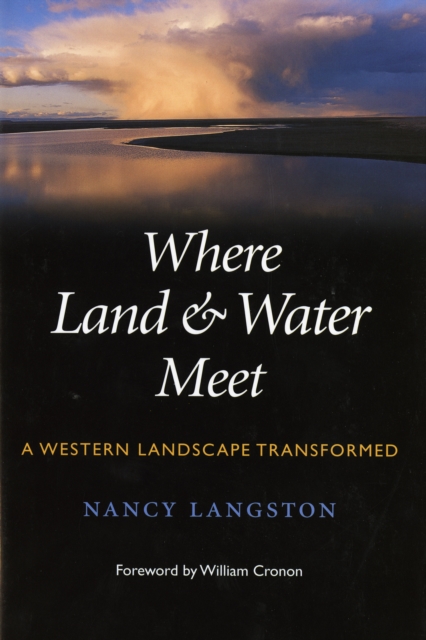
The Wind River runs from the alpine lakes of the Continental Divide through the nestled valleys of the northern Rocky Mountains and out onto high, windblown plains.
Combining innovative social theory with ongoing policy discussions on climate change, this book analyzes past and present efforts at challenging global poverty through reforming the dynamics of worldwide agricultural production.
From one of the most prestigious nonprofit organizations devoted to environmental issues comes a clear, practical, and rational overview of the relationship between consumers and the environment.
According to a long tradition in philosophy of science, a clear cut distinction can be traced between a context of discovery and a context of justification.
The Vienna Circle and Logical Empiricism is for scholars, researchers and students in history and philosophy of science focusing on Logical Empiricism and analytic philosophy (of science).
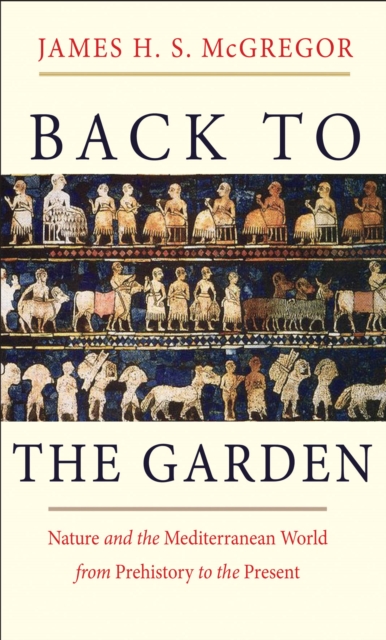
A cultural and ecological history of the Mediterranean region and humankind’s broken covenant with nature The garden was the cultural foundation of the early Mediterranean peoples; they acknowledged their reliance on and kinship with the land, and they understood nature through the lens of their diversely cultivated landscape.
As scientific and observational evidence on global warming piles up every day, questions of economic policy in this central environmental topic have taken center stage.
A compelling exposé of the highly problematic scholarship of Bjørn Lomborg, the world’s leading global warming skeptic In this major assessment of leading climate-change skeptic Bjørn Lomborg, Howard Friel meticulously deconstructs the Danish statistician’s claim that global warming is “no catastrophe” by exposing the systematic misrepresentations and partial accounting that are at the core of climate skepticism.
The important new approach to leadership that John Gordon and Joyce Berry explain in this book is built upon the experiences of environmental and natural resource organizations as they contend with complex, long-term problems.
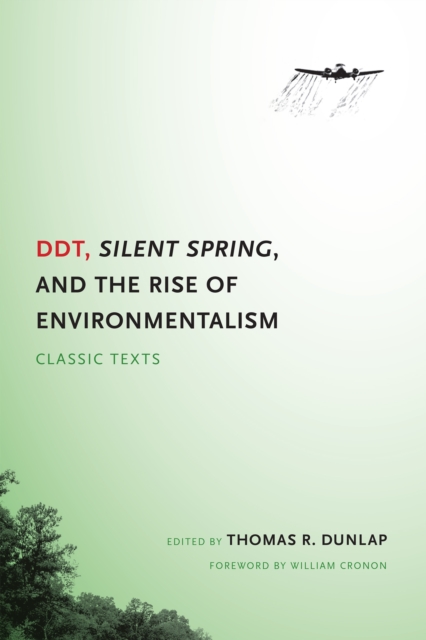
No single event played a greater role in the birth of modern environmentalism than the publication of Rachel Carson's Silent Spring and its assault on insecticides.
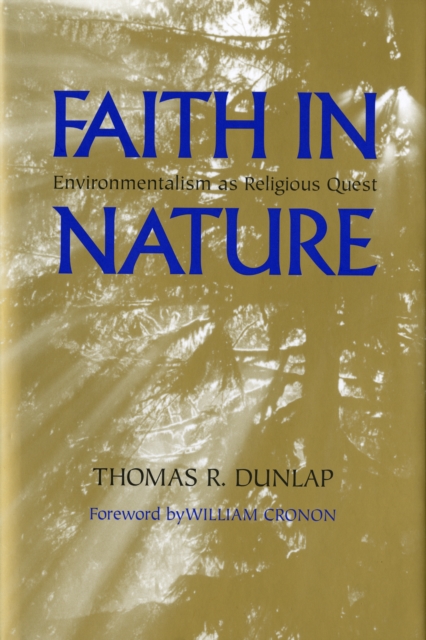
The human impulse to religion--the drive to explain the world, humans, and humans place in the universe can be seen to encompass environmentalism as an offshoot of the secular, material faith in human reason and power that dominates modern society.
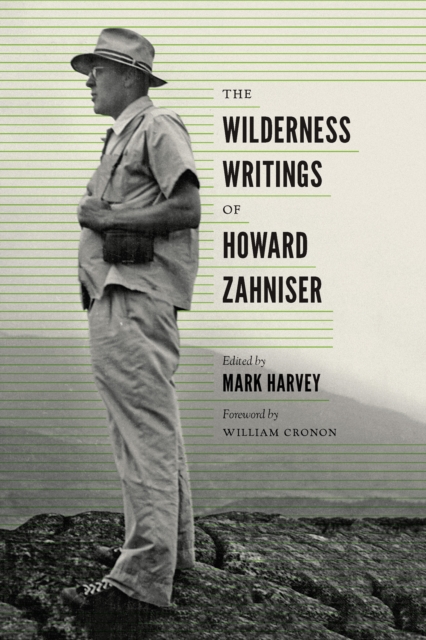
Howard Zahniser (19061964), executive secretary of The Wilderness Society and editor of The Living Wilderness from 1945 to 1964, is arguably the person most responsible for drafting and promoting the Wilderness Act in 1964.
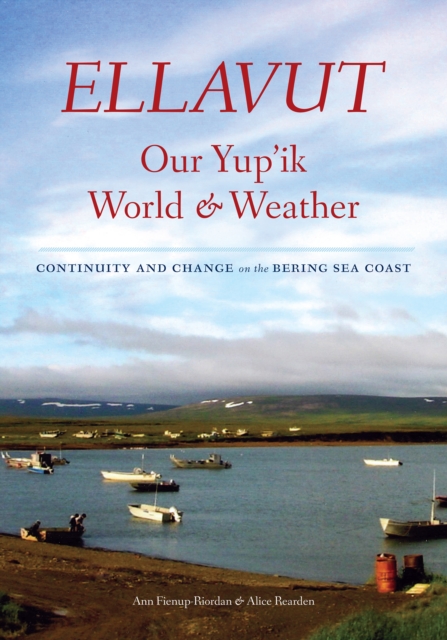
Ellavut / Our Yup'ik World and Weather is a result of nearly ten years of gatherings among Yup'ik elders to document the qanruyutet (words of wisdom) that guide their interactions with the environment.
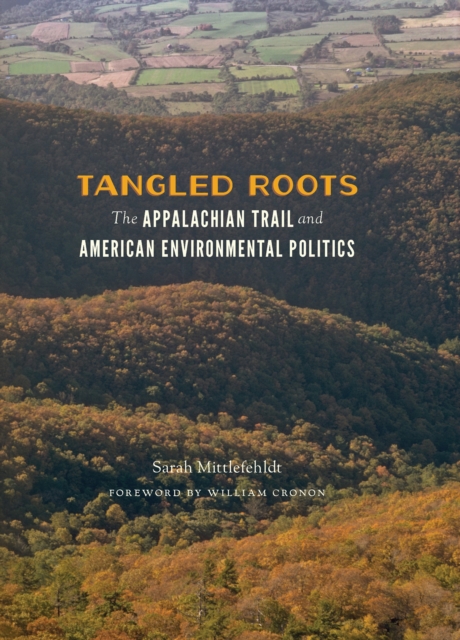
The Appalachian Trail, a thin ribbon of wilderness running through the densely populated eastern United States, offers a refuge from modern society and a place apart from human ideas and institutions.
What it means for global sustainability when environmentalism is dominated by the concerns of the affluent—eco-business, eco-consumption, wilderness preservation.
A provocative argument that environmental thinking would be better off if it dropped the concept of “nature” altogether and spoke instead of the built environment.
Essays that put noted political thinkers of the past—including Plato, Machiavelli, Hobbes, Wollstonecraft, Marx, and Confucius—in dialogue with current environmental political theory.