This book unveils the nexus between disaster, governance and development with a particular focus on Bangladesh and examines the legislative and institutional aspects in mainstreaming disaster risk reduction into development planning.
How is a changing climate affecting hurricanes, and how are these changes intersecting with our changing exposure and vulnerability in ways that affect tropical cyclone risk?
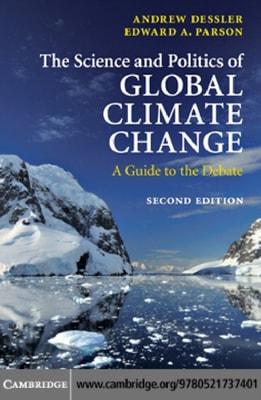
The second edition of Dessler and Parson's acclaimed book provides an integrated treatment of the science, technology, economics, policy, and politics of climate change.
This book contains a set of papers which explore the subject matter of human and planetary health at various anglesThe year 2015 was a special year in the field of human and planetary health.
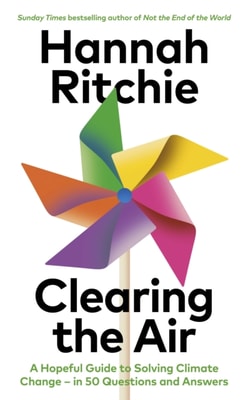
'We urgently need Hannah Ritchie' GUARDIAN'Essential reading' RUTGER BREGMAN 'Read this book -- now' MARK LYNASWe can t afford to delay climate action, but with all the shouting and disagreement it s hard to know where to turn.
Through a presentation of the oldest rock art dated in the Americas, located in Monte Alegre, Brazil, this book analyzes an ancient ecological-astronomy strategy that theoretically made the rapid human migration in the Americas successful.
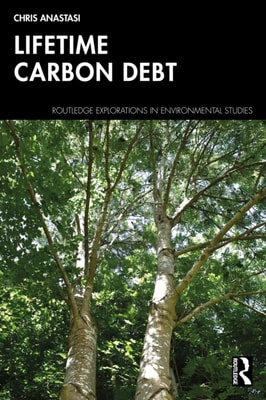
Lifetime Carbon Debt shows how individuals can help global efforts to reduce greenhouse gas emissions by addressing their own annual and lifetime emissions.
Lifetime Carbon Debt shows how individuals can help global efforts to reduce greenhouse gas emissions by addressing their own annual and lifetime emissions.
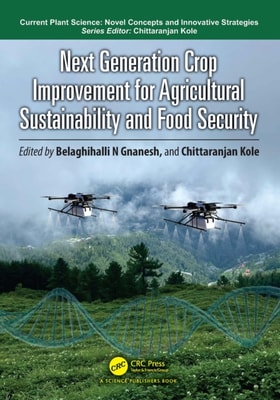
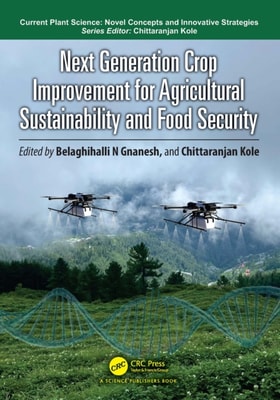
This book addresses climate stress in agriculture through systematic examination of crop production patterns, breeding strategies, and sustainable management practices.
Addressing the complex interplay between climate change, democratic governance, and scientific knowledge in the Anthropocene era, this book focuses on how political systems respond to the global ecological crisis and to what extent they are structurally capable of doing so.
Addressing the complex interplay between climate change, democratic governance, and scientific knowledge in the Anthropocene era, this book focuses on how political systems respond to the global ecological crisis and to what extent they are structurally capable of doing so.
This book addresses climate stress in agriculture through systematic examination of crop production patterns, breeding strategies, and sustainable management practices.