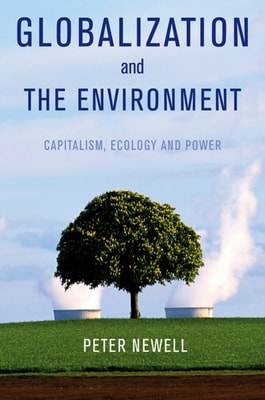
Globalization and the Environment critically explores the actors, politics and processes that govern the relationship between globalization and the environment.
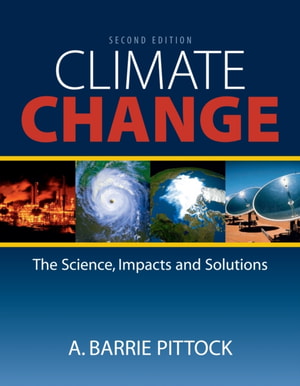
Climate change poses one of the greatest challenges for human society in the twenty-first century, yet there is a major disconnect between our actions to deal with it and the gravity of the threat it implies.
This collection responds to widespread, complex, and current environmental challenges by presenting eleven original essays on a new elemental-embodied approach in environmental humanities.
This book explores the relationship between climate change-induced migration and conflict in Bangladesh - one of the most ecologically fragile countries in the world.
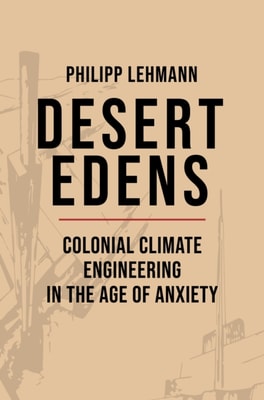
How technological advances and colonial fears inspired utopian geoengineering projects during the late nineteenth and early twentieth centuries From the 1870s to the mid-twentieth century, European explorers, climatologists, colonial officials, and planners were avidly interested in large-scale projects that might actively alter the climate.
How the utopian tradition offers answers to today's environmental crisesIn the face of Earth's environmental breakdown, it is clear that technological innovation alone won't save our planet.
An eminent philosopher explains why we owe it to future generations to take immediate action on global warmingClimate change is the supreme challenge of our time.
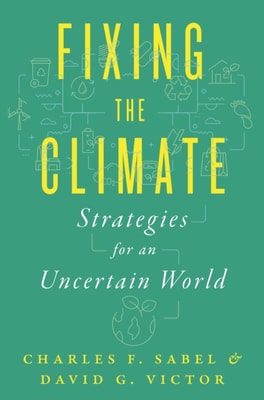
Solving the global climate crisis through local partnerships and experimentationGlobal climate diplomacy-from the Kyoto Protocol to the Paris Agreement-is not working.
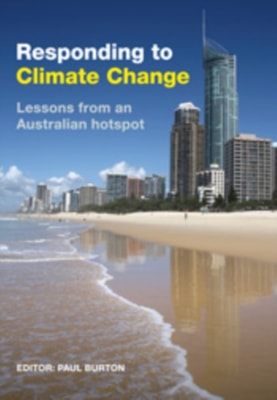
South East Queensland has been one of the fastest growing regions of Australia, both in terms of its rapidly growing population and an ever-expanding built environment.
Consideration of climate change deals increasingly with impacts and responses, and therefore involves a wide range of technical issues and a diverse community of experts.
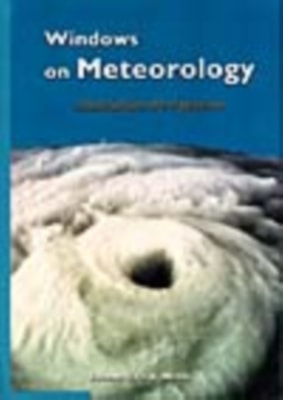
Windows on Meteorology: Australian Perspective answers a host of questions about Australia's weather and climate, and explains the underlying causes of floods, droughts and cyclones.
This book describes the evolution and development of the Division's research throughout the years and the ways in which scientists responded to the needs of the community.
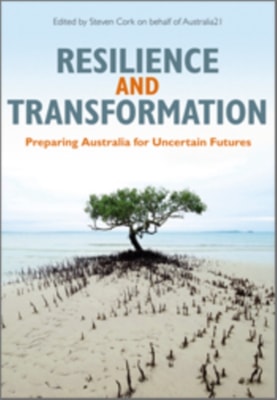
Resilience and Transformation explores what factors contribute to Australia's resilience, what trends are apparent, and what actions are required to better prepare us for the immediate and longer term future.
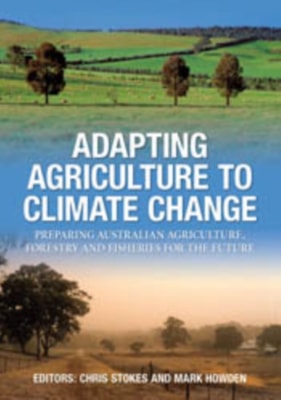
Adapting Agriculture to Climate Change is a fundamental resource for primary industry professionals, land managers, policy makers, researchers and students involved in preparing Australia's primary industries for the challenges and opportunities of climate change.
This book describes the evolution and development of the Division's research throughout the years and the ways in which scientists responded to the needs of the community.
Windows on Meteorology: Australian Perspective answers a host of questions about Australia's weather and climate, and explains the underlying causes of floods, droughts and cyclones.
This new textbook fills an important niche by offering a lively overview of the principles of ecology for a broad range of university-level science and biology courses.
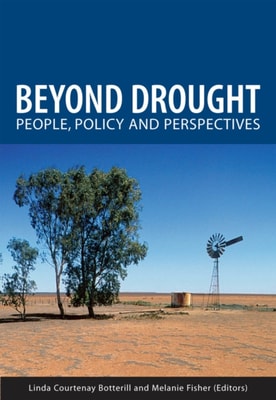
The unpredictability of Australia’s climate poses real challenges for practices that were developed based on the relative predictability of a European climate.
The unpredictability of Australia's climate poses real challenges for practices that were developed based on the relative predictability of a European climate.
This new textbook fills an important niche by offering a lively overview of the principles of ecology for a broad range of university-level science and biology courses.