The introduction of contaminants, due to rapid urbanisation and anthropogenic activities, into the environment causes unsteadiness, distress to the physico-chemical systems including living organisms, which possibly is threatening the dynamics of nature as well as the soil biology by producing certain xenobiotics.
This book presents recent developments in advanced biological treatment technologies that are attracting increasing attention or that have a high potential for large-scale application in the near future.
This book highlights quantitative risk assessment and modeling methods for assessing health risks caused by air pollution, as well as characterizing and communicating remaining uncertainties.
This book deals with issues and concerns for the human environment in the developing countries incorporating natural processes and systems, pollution removal technology, energy conservation, environmental impact assessment process, economics, culture, political structure and societal equity from a management point of view.
The purpose of this book is to introduce the phosphorus (P) removal structure as a new BMP for reducing dissolved P loading to surface waters from non-point source pollution, provide guidance on designing site-specific P removal structures, and provide instruction on use of the design software, "e;Phrog"e; (Phosphorus Removal Online Guidance).
Medicinal plants supply the ever-growing needs of humankind for natural chemicals, such as pharmaceuticals, nutraceuticals, agrochemicals, and chemical additives.
This book addresses the hazard of gas explosions in sealed underground coal mines, and how the risk of explosion can be assessed, modeled, and mitigated.
This book, written by an international group of experts from China, Europe and the USA, presents a broad and comprehensive analysis of the chemical and meteorological processes responsible for the formation of air pollutants in eastern Asia, and in particular for the development of severe pollution episodes observed primarily during winter in the northeastern part of China.
Bioremediation is the use of microorganisms' metabolism to degrade waste contaminants (sewage, domestic, and industrial effluents) into non-toxic or less toxic materials by natural biological processes.
This volume describes the identification of emerging organic pollutants, mainly from industrial sources, their associated toxicological threats, and the latest green methods and biotechnological solutions to abate harmful impacts on people and the environment.
Light scattering from particles in the nanometric and micrometric size range is relevant in several research fields, such as aerosol science and nanotechnology.
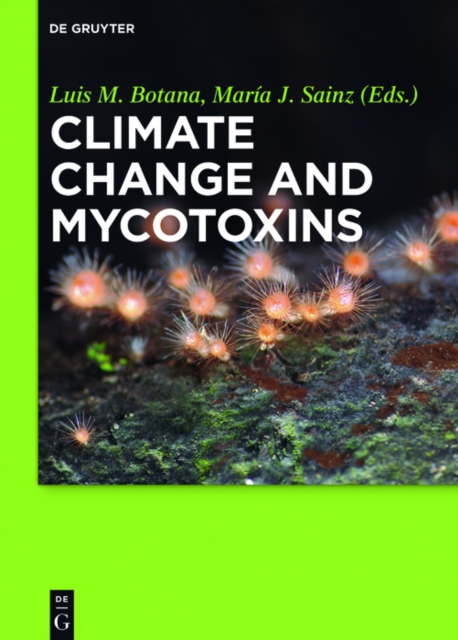
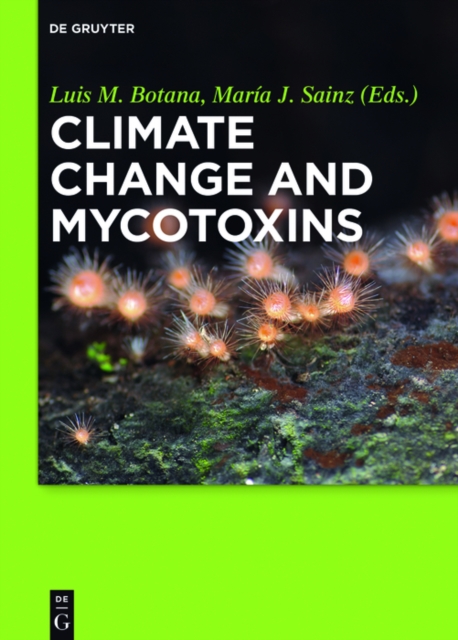
Climate Change and Mycotoxins highlights the importance of the continuous study of climate change impacts on mycotoxigenic fungi and their toxins in food and feed crops.
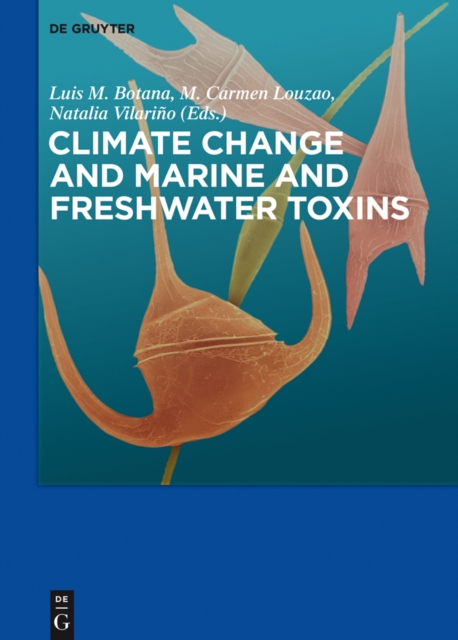
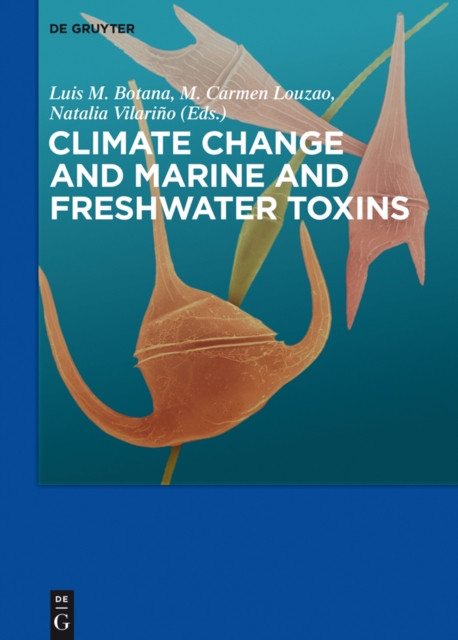
In Climate Change and Marine and Freshwater Toxins the editors have assembled contributions from a team of international experts to expand the framework for an appropriate assessment of climate change impacts on aquatic toxins.
Climate Change and Mycotoxins highlights the importance of the continuous study of climate change impacts on mycotoxigenic fungi and their toxins in food and feed crops.
In Climate Change and Marine and Freshwater Toxins the editors have assembled contributions from a team of international experts to expand the framework for an appropriate assessment of climate change impacts on aquatic toxins.
This edited volume compiles a set of papers that present various applications of spatial analysis, both traditional and contemporary, on diverse subjects in a wide range of contexts.
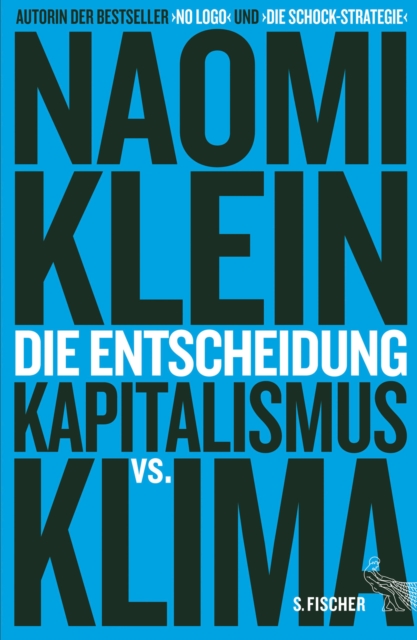
***JETZT ODER NICHTS – der provokante Gesellschaftsentwurf der international bekannten Bestsellerautorin Naomi Klein (›NoLogo‹ und ›Die Schock-Strategie‹)***Vergessen Sie alles, was Sie über den Klimawandel zu wissen meinten: Es geht nicht nur um CO2-Emissionen, es geht um den Kapitalismus!
This book contributes to the multidisciplinary debate about social-ecological systems (SES) within the perspective of rethinking the nature of interaction between these systems, especially in the Anthropocene Era.
This volume contains the proceedings of the workshop on "e;Soil Monitoring: Methods for Early Detection and Surveying of Soil Contamination and Degradation"e;, held at the ETH seminar centre "e;Stefano Franscini"e; of Monte Verita, Ascona (Switzerland) from October 18 - 23, 1992.
This book focuses on the vulnerabilities of state and local services to cyber-threats and suggests possible protective action that might be taken against such threats.
This volume presents full paper contributions from the International Conference of European Spatial Data for Coastal and Marine Remote Sensing (EUCOMARE) 2022, with the support of the ERASMUS+ Programme of the European Union, held in Saint Malo, France.
This book examines ways of conserving, managing, and interacting with plant and animal resources by Native American cultural groups of the Pacific Coast of North America, from Alaska to California.
This book contains a set of papers which explore the subject matter of human and planetary health at various anglesThe year 2015 was a special year in the field of human and planetary health.
This book presents information on the origin and distribution of microplastics, evaluates the methods of their detection, documents their interactions with natural systems, and analyzes the current understanding of their management.