The Eastern Partnership (EaP) was launched in 2009 to strengthen institutional, economic and political relations between the European Union (EU) and the six Partnership countries (Armenia, Azerbaijan, Belarus, Georgia, Moldova, and Ukraine).
With Broeker as his guide, award-winning science writer Robert Kunzig looks back at Earth's volatile climate history so as to shed light on the challenges ahead.
Environmental chemistry is becoming increasingly important and is crucial in the understanding of a range of issues, ranging from climate change to local pollution problems.
Recent discussions among scientists and policy-makers have highlighted that knowledge generated by many research and demonstration projects is not reaching policymakers in an efficient way.
Understanding pollution, its behaviour and impact is becoming increasingly important, as new technologies and legislation continually lower the tolerable levels of pollutants released into the environment.
Rising concern in recent years over the possible adverse environmental consequences of the use of chemicals has led to a steady increase in national activity towards greater regulation, as well as voluntary agreements with manufacturers for risk management of certain products.
Contamination of water supplies and the immediate availability of appropriate emergency responses to chemical, biological, radiological or nuclear (CBRN) events which result in contaminated water are becoming increasingly relevant and significant issues in the water industry and in the wider world.
Mass transportation has become central to the lifestyle of developed societies - but with what consequences for the environment and, ultimately, human health?
Pollution: Causes, Effects and Control is the fourth edition of a best-selling introductory level book dealing with chemical and radioactive pollution in its broadest sense.
Long-term environmental effects of chemical exposure have long been of concern and, more recently, chemicals which cause changes to the sexual development of exposed organisms have been identified.
Contaminated land and the methods and legal controls governing its reclamation for subsequent development and use are of great current interest and concern.
Chlorinated Organic Micropollutants addresses the sources, environmental cycles, uptake, consequences and control of many of the more important chlorinated organic micropollutants, including PCBs, PCDDs, PCDFs and various chlorinated pesticides, all of which have given widespread cause for concern in relation to their environmental persistence and high toxicity, and their potential for adverse effects on humans and wildlife.
Contaminated land and the methods and legal controls governing its reclamation for subsequent development and use are of great current interest and concern.
Contamination of water supplies, whether by chemical, biological or radioactive agents, requires a rapid and effective response in order to reduce or avoid impact on the environment or consumers.
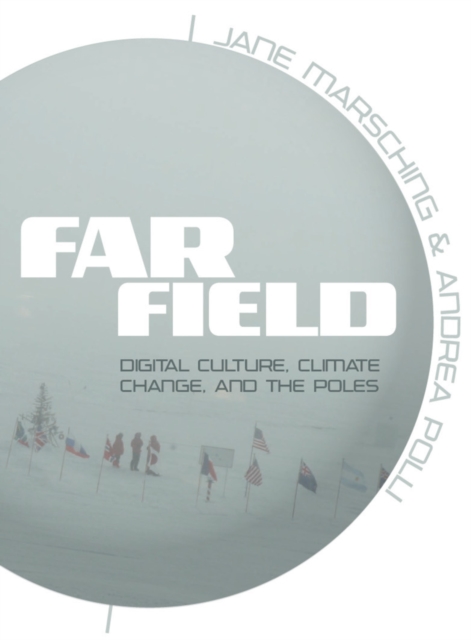
Human understanding of the rapidly changing environments of the North and South Poles and the realities of climate change has been radically transformed by a host of innovations afforded by the digital technologies.
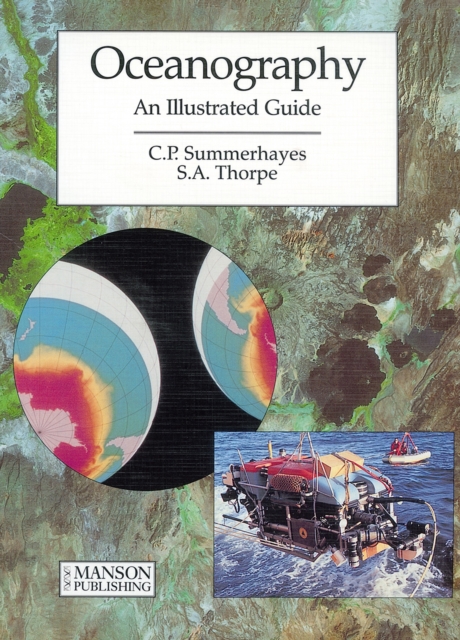
Oceans cover over 70% of the planet's surface and are essential to life on earth, yet their deepest mysteries remained unexplored until very recently when 20th century technological advances allowed the vast expansion of our frontiers of knowledge, and worldwide interest in oceanography grew rapidly.
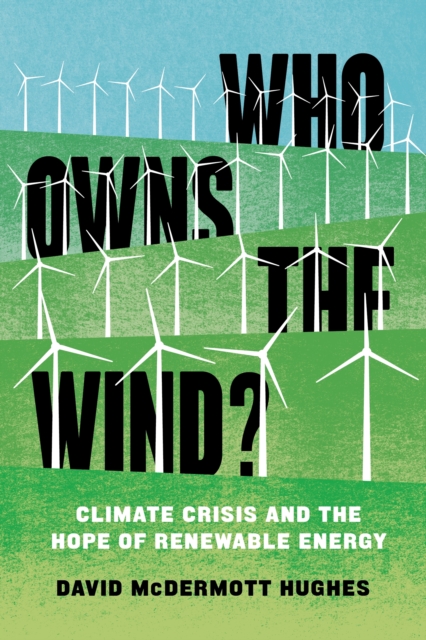
It's hard to watch the news, scroll through social media, or listen to the radio without hearing or seeing something disturbing about the climate emergency.
In recent years, the far right has done everything in its power to accelerate the heating: an American president who believes it is a hoax has removed limits on fossil fuel production.
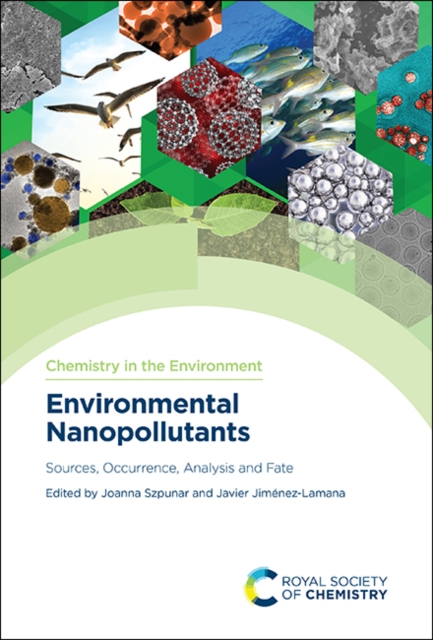
Nanopollutants are nanoparticles that have escaped into the environment and can include engineered nanoparticles as well as nanoparticles that are products of degradation (e.
Membrane technology has received great popularity in many industrial sectors and significantly enhanced our abilities to restructure production processes, protect the environment and public health, and provide competitive strategies for separation and purification.
Membrane technology has received great popularity in many industrial sectors and significantly enhanced our abilities to restructure production processes, protect the environment and public health, and provide competitive strategies for separation and purification.
Functional and structural nanomaterials are emerging materials that display interesting physical and chemical properties because of their size and surface area to volume ratio.
Functional and structural nanomaterials are emerging materials that display interesting physical and chemical properties because of their size and surface area to volume ratio.
Metallurgical slags are generated as a by-product of smelting during ironmaking, steelmaking, and the production of ferroalloys and non-ferrous metals.
Metallurgical slags are generated as a by-product of smelting during ironmaking, steelmaking, and the production of ferroalloys and non-ferrous metals.
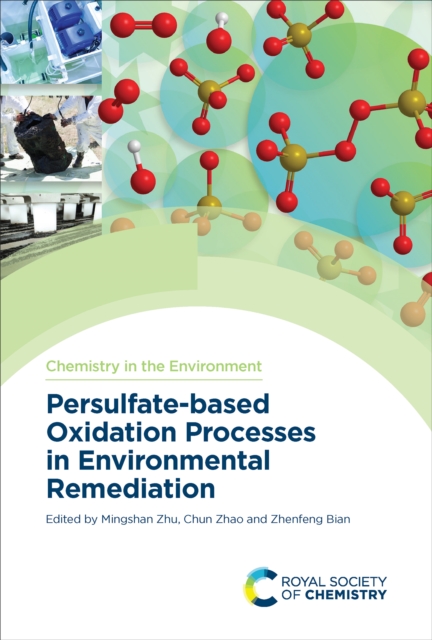
Environmental remediation technologies to control or prevent pollution from hazardous waste material is a growing research area in academia and industry, and is a matter of utmost concern to public health, to improve ecology and to facilitate the redevelopment of a contaminated site.
Carbon capture and storage (CCS) and "e;negative emissions"e; technologies will play an essential role in mitigating the impact of global warming and meeting the temperature targets set by the IPCC and by COP21.