Tire Waste and Recycling takes a methodical approach to the recycling of tires, providing a detailed understanding on how to manage, process, and turn waste tires into valuable materials and industrial applications.
Marine Hydrocarbon Spill Assessments: From Risk of Spill through to Probabilities Estimates describes the methods used for estimating hydrocarbon spill risks and the potential consequences.
The term "e;total petroleum hydrocarbons"e; (TPHs) is used for any mixture of several hundred hydrocarbons found in crude oil, and they represent the sum of volatile petroleum hydrocarbons and extractable petroleum hydrocarbons.
A circular economy is an alternative to a traditional linear economy (make, use, dispose) in which we keep resources in use for as long as possible, extract the maximum value from them whilst in use, then recover and regenerate products and materials at the end of each service life.
This book presents select proceedings of National Conference on Advances in Sustainable Construction Materials (ASCM 2020) and examines a range of durable, energy-efficient, and next-generation construction materials produced from industrial wastes and by-products.
Microbial Wastewater Treatment focuses on the exploitation of microorganisms as decontaminating tools to treat polluted wastewater, a worldwide concern.
This book provides up-to-date information on the state of the art in applications of biotechnological and microbiological tools for protecting the environment.
This book presents a comprehensive approach to address the need to improve the design of tailings dams, their management and the regulation of tailings management facilities to reduce, and eventually eliminate, the risk of such facilities failing.
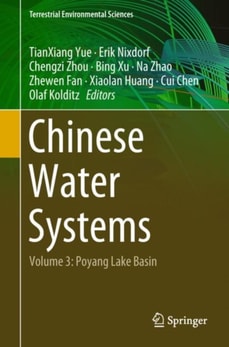
This volume of the Chinese Water Systems subseries offers up-to-date and comprehensive information on various aspects of the Poyang Lake, the largest freshwater lake in China.
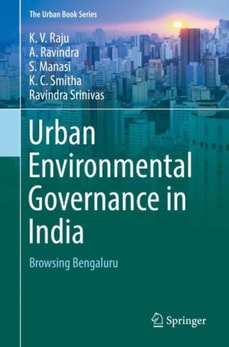
This book aims to identify the challenges presented by current urban environmental governance practices in fast growing Indian cities, to propose changes to the current governance implementation strategies, and to explore the best practices to achieve sustainable urban models through Indian and global perspectives.
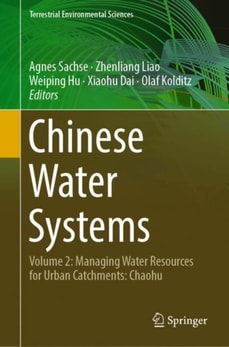
This volume addresses the latest results of the Major Water Program of the Chinese Government which aims at the restoration of polluted water environments and sustainable management of water resources in China.
Agriculture and industry are the two most important economic sectors for various countries around the globe, providing millions of jobs as well as being the main source of income for these countries.
Waste: A Handbook for Management, Second Edition, provides information on a wide range of hot topics and developing areas, such as hydraulic fracturing, microplastics, waste management in developing countries, and waste-exposure-outcome pathways.
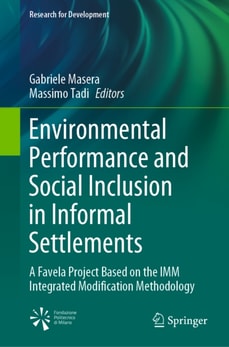
This book discusses the potential of a systemic and multidisciplinary design approach to improve urban quality, health, livability, and inclusiveness for people living in informal settlements.
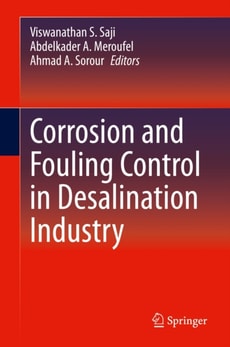
This book addresses two critical problems that plague materials that make up components in both desalination and cooling water systems: corrosion, and fouling.
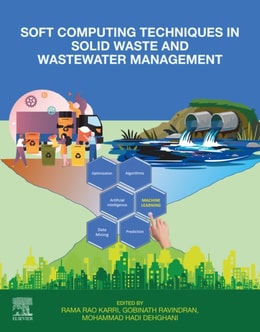
Soft Computing Techniques in Solid Waste and Wastewater Management is a thorough guide to computational solutions for researchers working in solid waste and wastewater management operations.
This book is a sister volume to Volume 20 of the Handbook of Environmental Engineering Series, "e;Integrated Natural Resources Management"e;, and expands on the themes of that volume by addressing the conservation and protection of natural resources in an environmental engineering context through state-of-the-art research methodologies and technologies.
Solid Waste Landfilling: Concepts, Processes, Technology provides information on technologies that promote stabilization and minimize environmental impacts in landfills.
This book investigates innovative solutions to increase the share of renewable engery in the global power mix, with a particular focus on improved and sustainable biomass conversion technologies.
Water Electrical and Electronic Equipment Recycling: Aqueous Recovery Methods provides data regarding the implementation of aqueous methods of processing of WEEEs at the industrial level.
This book highlights the latest knowledge and innovations in the fields of civil engineering and construction industry striving for a sustainable built environment.
This book demonstrates that the long-term safety of nuclear waste repositories, special waste disposal and carbon storage (CCS) is highly challenging and monitoring may contribute to substantiate evidence, support decision making and legitimise the programme.
This book uncovers, explores and analyses the cultural and social factors and values that lie behind waste making, recycling and disposal in the Asia Pacific region, where impressive economic growth has led to significant increases in production, consumption and concomitant waste production.
The concept of Sustainable Development, implicating the protection of soil and groundwater, the limitation of waste production and the re-use of soild waste materials is still the leading theme of WASCON '94.
The growing awareness of environmental problems provided the stimulus for this 4th International Symposium on Biotechnology, Interbiotech '90, to address many aspects of the relationship between biotechnology and the environment.
Many countries are currently exploring the option to dispose of highly radioactive solid wastes deep underground in purpose built, engineered repositories.
This book covers state-of-the-art technologies, principles, methods and industrial applications of electronic waste (e-waste) and waste PCB (WPCB) recycling.
This, the first of two volumes, gives a comprehensive treatment of the civil engineering work relating to sewers and emphasises the practical aspects of repair and renovation.
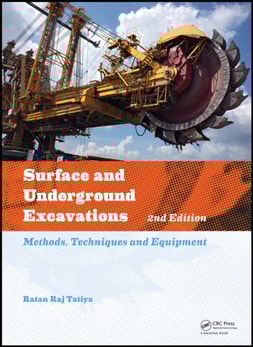
Surface and Underground Excavations - Methods, Techniques and Equipment (2nd edition) covers the latest technologies and developments in the excavation arena at any locale: surface or underground.
This book comprehensively explores various aspects of food waste management, ranging from understanding the issue to innovative solutions that convert waste into valuable resources.
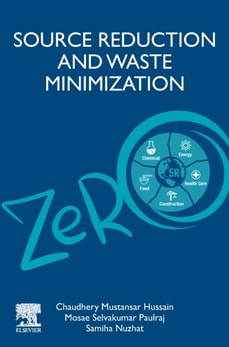
This book addresses multiple focus areas identified and provides solutions with respect to the circular economy, water pollution, potable water availability, reducing population impact on the environment, and better health by integrated waste management.