This book explores the complex origins and impacts of climate change, examining both natural and human-driven factors in the Euro-Mediterranean region.
This book explains complex environment of climate finance in Africa, emphasizing the critical need for financial resources to reduce the effects of climate change in the region.
This book explains microbial roles for agricultural sustainability, especially under climate changes, including the role of microorganisms in sustainable agriculture.
This book promotes a critical and analytical view of what the emerging new Cold War and climate change mitigation mean for Australia's struggling regions and dwindling manufacturing industries.
This insightful volume critically explores whether higher altitude of habitation affects host-guest exchanges in mountaineering tourism, in an effort to better understand and manage vulnerable destinations in a sustainable manner.
This timely and innovative book provides an in-depth and interdisciplinary exploration of sustainable tea tourism, presenting practical insights and global best practices to pave the way forward.
Originally published in 1987, this book rejects the 'pay through the nose' approach to conservation enshrined in the Wildlife and Countryside Act, and demonstrates the need to strengthen and extend the national parks system to enable more people to enjoy open country.
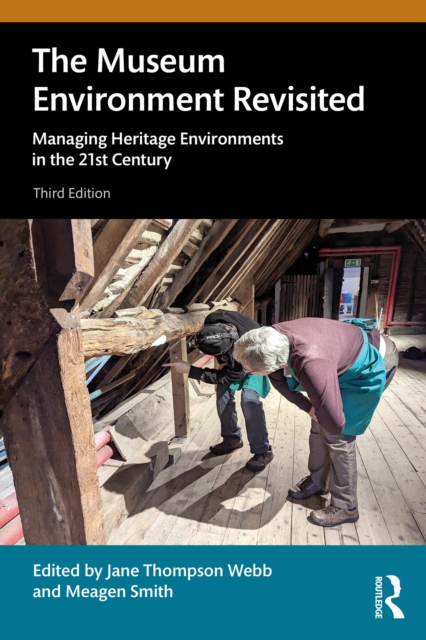
The Museum Environment Revisited is a valuable text that helps the reader understand collection care fundamentals and the preservation environment, as well as storage issues and decision-making.
This timely and innovative book provides an in-depth and interdisciplinary exploration of sustainable tea tourism, presenting practical insights and global best practices to pave the way forward.
Originally published in 1987, this book rejects the 'pay through the nose' approach to conservation enshrined in the Wildlife and Countryside Act, and demonstrates the need to strengthen and extend the national parks system to enable more people to enjoy open country.
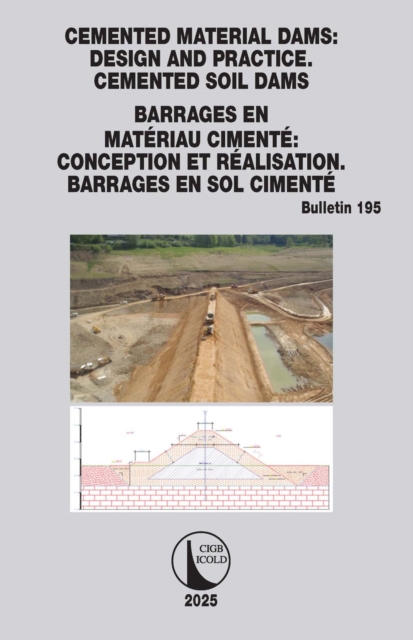
The Cemented Material Dam (CMD) is defined as a series of new dam types utilizing cementitious binder together with various natural or manufactured materials in the construction of a dam.
This insightful volume critically explores whether higher altitude of habitation affects host-guest exchanges in mountaineering tourism, in an effort to better understand and manage vulnerable destinations in a sustainable manner.
The Museum Environment Revisited is a valuable text that helps the reader understand collection care fundamentals and the preservation environment, as well as storage issues and decision-making.
This book explains microbial roles for agricultural sustainability, especially under climate changes, including the role of microorganisms in sustainable agriculture.
Lifetime Carbon Debt shows how individuals can help global efforts to reduce greenhouse gas emissions by addressing their own annual and lifetime emissions.
This book unlocks the transformative potential of Micro Human Efforts (MHE) in the domain of disaster resilience through an interwoven narrative of human resilience, grounded in insights from the influential special issue of the International Journal of Mass Emergencies and Disasters.
This book summarizes the state-of-the-art approaches and novel technologies developed for the sustainable production of energy and structural and functional materials.
Lifetime Carbon Debt shows how individuals can help global efforts to reduce greenhouse gas emissions by addressing their own annual and lifetime emissions.
Governance and the Hegemony of Financial Stability: From Financial Crisis to Climate Emergency explains how the handling of the global financial crisis has redefined the relations of politics and financial markets and how the then established hegemony of financial stability still dominates responses to current challenges, particularly climate change.
This book unlocks the transformative potential of Micro Human Efforts (MHE) in the domain of disaster resilience through an interwoven narrative of human resilience, grounded in insights from the influential special issue of the International Journal of Mass Emergencies and Disasters.
Based on the collaborative, interdisciplinary research project Shift-Plastics this book establish sustainable circular value chains for managing plastics in the fisheries and aquaculture industries, which are significant causes of ocean plastic pollution.
Framed by the United Nations Sustainable Development Goals (SDGs), this text empowers educators and policymakers to integrate critical and creative problem-solving skills into their practice through a focus on sustainability and the pedagogical approach of design thinking.
This book summarizes the state-of-the-art approaches and novel technologies developed for the sustainable production of energy and structural and functional materials.
Governance and the Hegemony of Financial Stability: From Financial Crisis to Climate Emergency explains how the handling of the global financial crisis has redefined the relations of politics and financial markets and how the then established hegemony of financial stability still dominates responses to current challenges, particularly climate change.
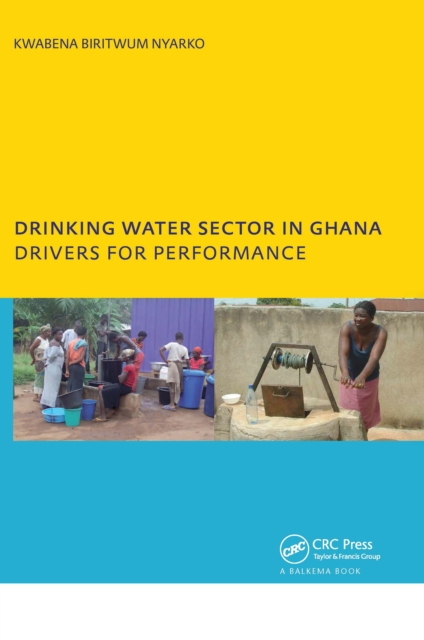
This book examines the drivers for improved performance of the drinking water sector in Ghana by focussing on the role of the national macro-environment, water supply related organisations and institutions and the water service providers (urban and small towns).
Climate change has become the primary serious human and environmental threat of the 21st century and, with associated variability, it presents enormous potential to affect workers' safety and health.
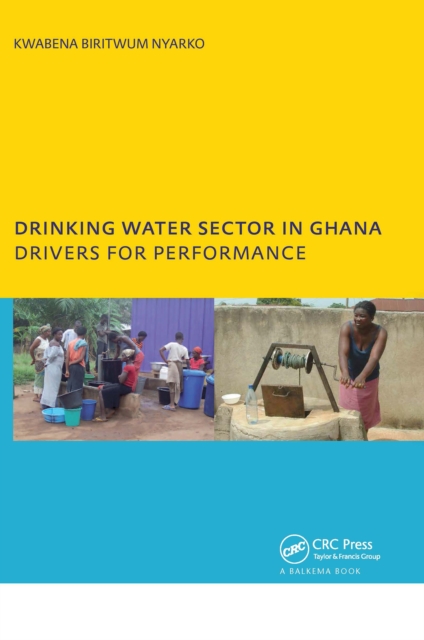
This book examines the drivers for improved performance of the drinking water sector in Ghana by focussing on the role of the national macro-environment, water supply related organisations and institutions and the water service providers (urban and small towns).
This important book combines insights from disciplines as diverse as developmental psychopathology, pediatrics, and public policy to offer a detailed description of the impact of global crises, such as armed conflict, climate change, and environmental degradation, on the developing child.
The book provides expertise in strategic climate management in relation to the modern principles of digital and climate transformation examined through the concept of business models.