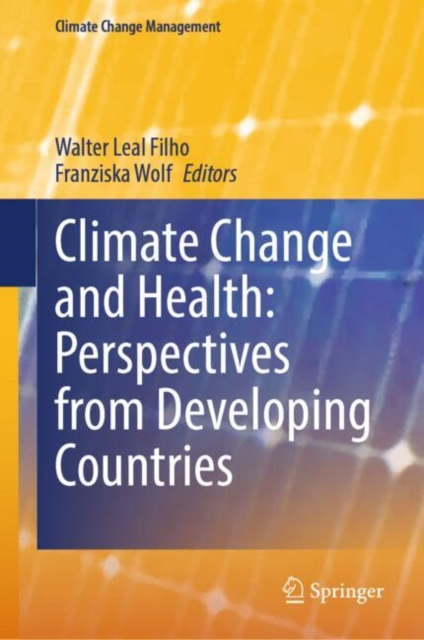
The global climate crisis is one of the most defining challenges of our time, with profound implications not just for the environment, but also for human health.
The global climate crisis is one of the most defining challenges of our time, with profound implications not just for the environment, but also for human health.
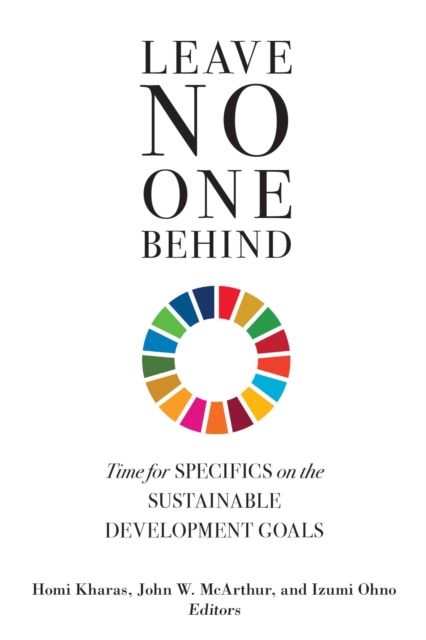
The ambitious 15-year agenda known as the Sustainable Development Goals, adopted in 2015 by all members of the United Nations, contains a pledge that "e;no one will be left behind.
Winner of the 2024 Richard Jefferies Award for nature writingShortlisted for the 2024 Wainwright Prize for Writing on ConservationA Times Science Book of the Year'Sophie writes fantastically, chronicling the most important issues facing nature conservationists today.
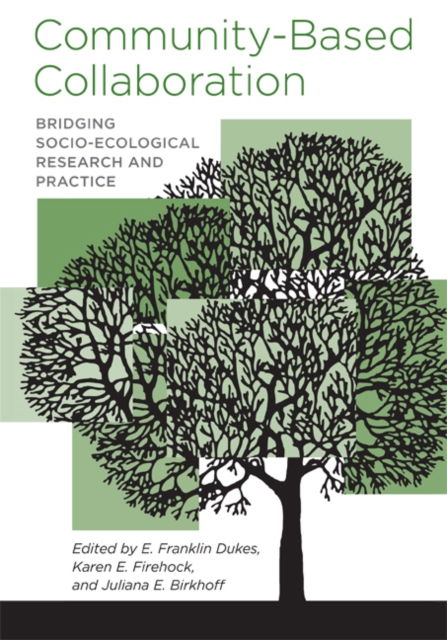
The debate over the value of community-based environmental collaboration is one that dominates current discussions of the management of public lands and other resources.
In Market Aesthetics, Elena Machado Saez explores the popularity of Caribbean diasporic writing within an interdisciplinary, comparative, and pan-ethnic framework.
Engaging important discussions about social conflict, environmental change, and imperialism in Africa, Different Shades of Green points to legacies of African environmental writing, often neglected as a result of critical perspectives shaped by dominant Western conceptions of nature and environmentalism.
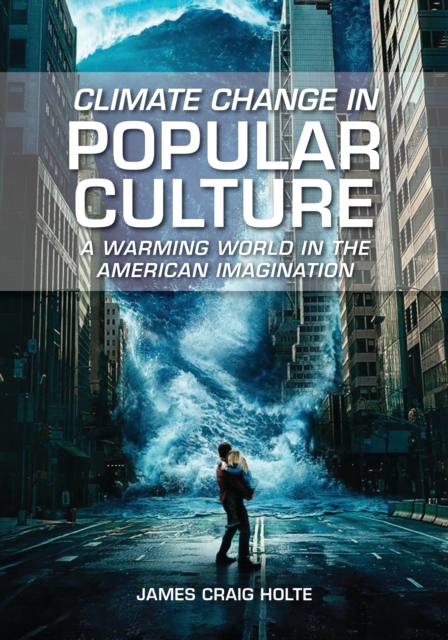
An invaluable resource for general readers investigating climate change, this book examines the impact of climate change on popular culture and analyzes how writers and directors treat the disasters caused by climate change in their novels and films.
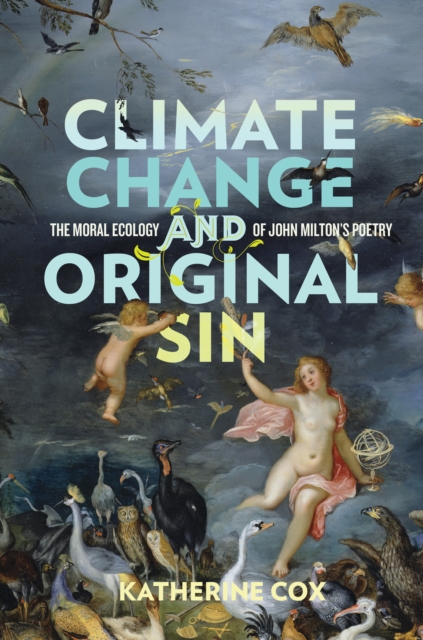
The calamitous impacts of climate change that are beginning to be felt around the world today expose the inextricability of human and natural histories.
The ambitious 15-year agenda known as the Sustainable Development Goals, adopted in 2015 by all members of the United Nations, contains a pledge that "e;no one will be left behind.
The experience accumulated in the wake of more than two decades of sustained effort to promote growth and change in the low-income countries presents a rich field for scholarly inquiry and new insights into the development process.
A positive agenda for achieving the Sustainable Development Goals by 2030All 193 member nations of the United Nations agreed in September 2015 to adopt a set of seventeen "e;Sustainable Development Goals,"e; to be achieved by 2030.
Using a risk management approach to tease apart the complex issue of climate change, this book assesses the key vulnerabilities and redirects the discussion to present a comprehensive plan to overhaul our response to climate change.
Medina tells us that up to 2% of the urban population in developing countries survives by salvaging materials from waste for recycling, which represents up to 64 million scavengers in the world today.
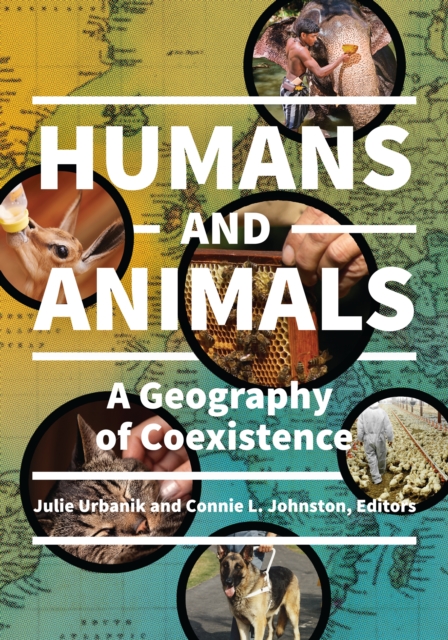
An engaging and at times sobering look at the coexistence of humans and animals in the 21st century and how their sometimes disparate needs affect environments, politics, economies, and culture worldwide.
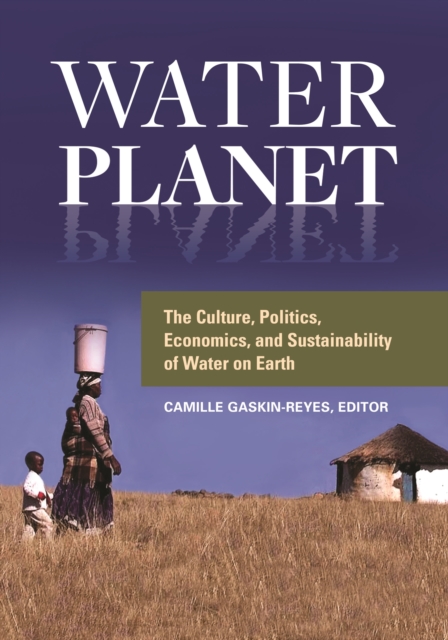
Through case studies, opposing viewpoints, and primary documents, this reference work examines the environmental and sustainability issues regarding water as well as how water is an intrinsic part of human culture.
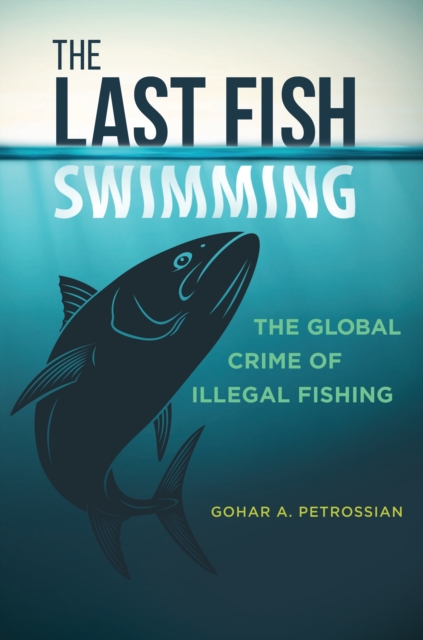
This book examines the global, local, and specific environmental factors that facilitate illegal fishing and proposes effective ways to reduce the opportunities and incentives that threaten the existence of the world's fish.
This book by two leading scholars offers the first systematic analysis of the relationship between globalization and the environment from the early Modern period to the present.
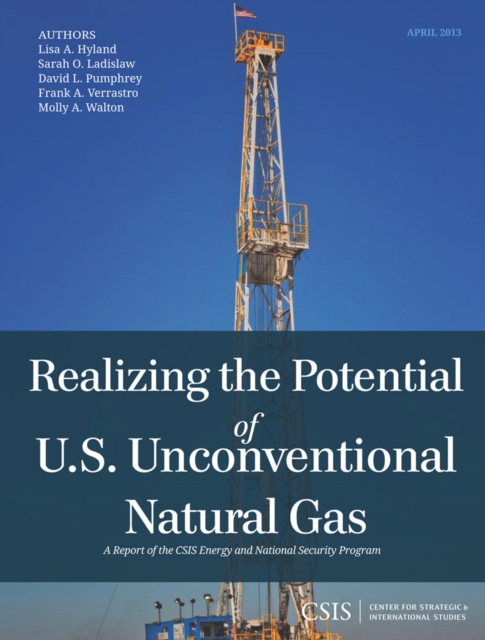
The ability to access and economically develop vast amounts of America's unconventional natural gas resources, especially large shale gas formations, has altered our national view on energy and has subsequently changed the discourse at the federal, state, and local levels.
This detailed analysis of the global food system looks at the way food is produced, distributed, and consumed in an effort to create a more equitable and healthful system worldwide.
For over a century, American have created laws, processes, objectives, priorities, and rules for federal land management that often conflict, contradict, and undermine each other.
This book presents a compelling account of atomic development over the last century that demonstrates how humans have repeatedly chosen to ignore the associated impacts for the sake of technological, scientific, military, and economic expediency.
A must-read for anyone seeking to understand the complex issues surrounding energy generation and use, this one-of-a-kind resource clarifies everything from the basic structure of the industry to the potential-and risks-of new technologies.
This book presents an accessible and easy-to-follow argument that the climate crisis is a side effect of inequality and injustice, and demonstrates how strategies such as large-scale social investment will prove far more effective in reducing greenhouse gas pollution than cap-and-trade or other forms of free-market environmentalism.
This book dispels common myths about electricity and electricity policy and reveals how government policies manipulate energy markets, create hidden costs, and may inflict a net harm on the American people and the environment.
This book explains how and why large oil-producing corporations have affected government institutions, energy policy, and politics in the United States-and suggests how their influence can be reduced.
Through case studies, opposing viewpoints, and primary documents, this reference work examines the environmental and sustainability issues regarding water as well as how water is an intrinsic part of human culture.