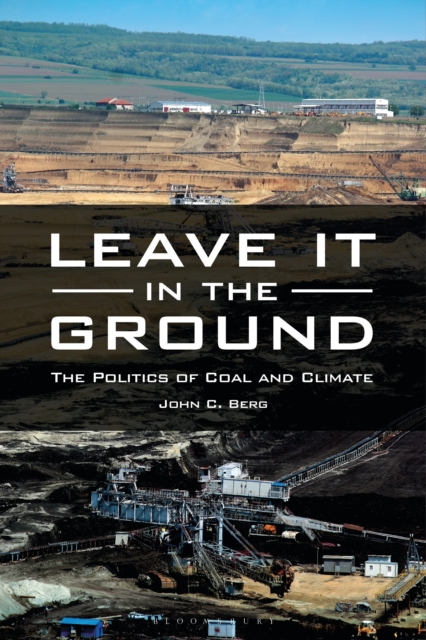
Employing scientific explanations and hard data, this book shows why coal is such a problem, how the pro-coal forces got to be so powerful, and how those forces might be defeated through political activism.
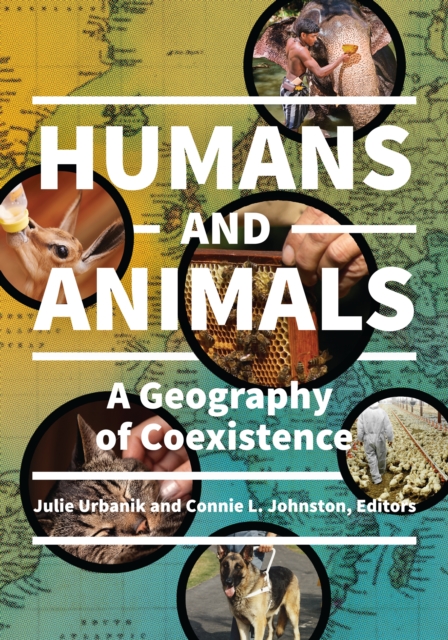
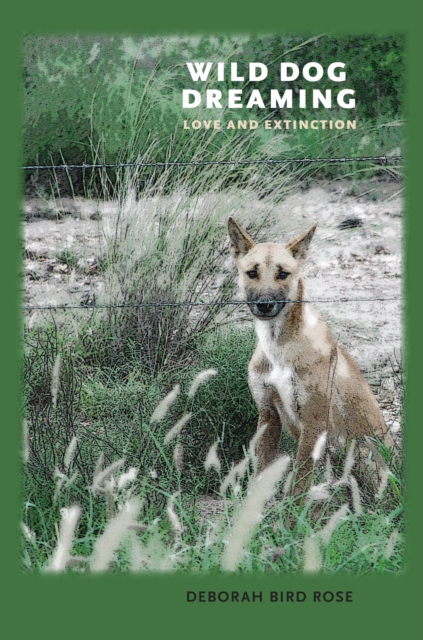
An engaging and at times sobering look at the coexistence of humans and animals in the 21st century and how their sometimes disparate needs affect environments, politics, economies, and culture worldwide.
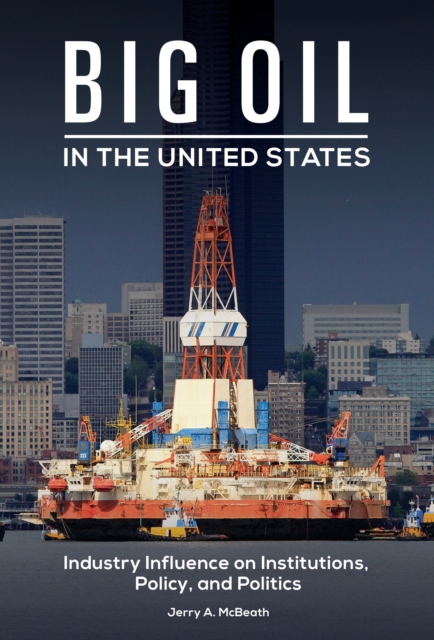
This book explains how and why large oil-producing corporations have affected government institutions, energy policy, and politics in the United States-and suggests how their influence can be reduced.
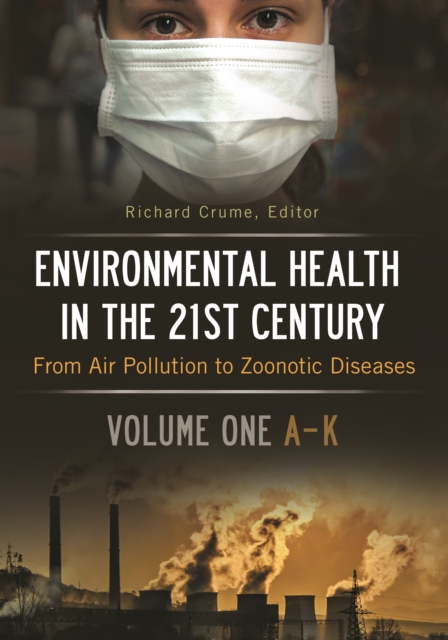
This concisely written and easy-to-read resource provides information on emerging issues and valuable historical context that enables students to better understand a broad range of environmental health topics, from pollution to infectious diseases, natural disasters, and waste management.
This book explains the science of climate change in plain language and shows that the 2 to 4 percent of climate scientists who are skeptical that humans are the main cause of global warming are a fringe minority-and have a well-established history of being wrong.
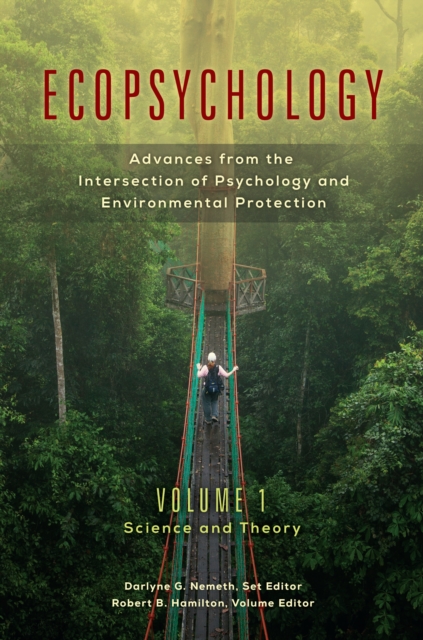
This anthology is a two-volume work that focuses on our relationship with the Earth and our future, examining the crossover between psychology and environmental studies in the emerging fields of ecopsychology and environmental psychology.
This landmark work lauds the benefits of decreased energy consumption, investigating its relationship to public policy and analyzing its potential billion-dollar benefits to the U.
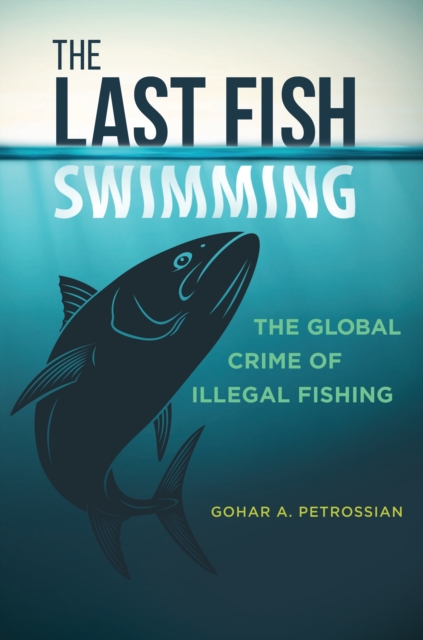
This book examines the global, local, and specific environmental factors that facilitate illegal fishing and proposes effective ways to reduce the opportunities and incentives that threaten the existence of the world's fish.
This detailed analysis of the global food system looks at the way food is produced, distributed, and consumed in an effort to create a more equitable and healthful system worldwide.
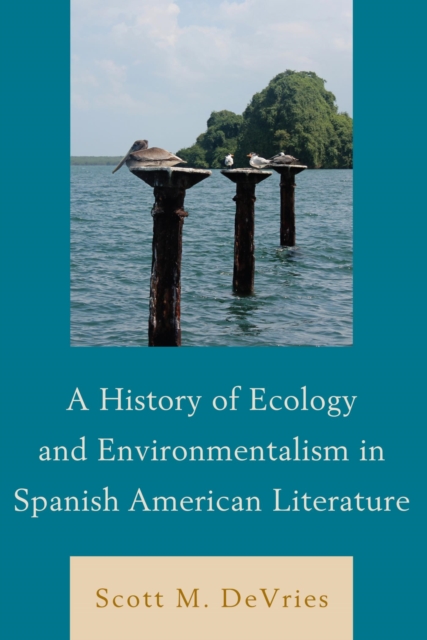
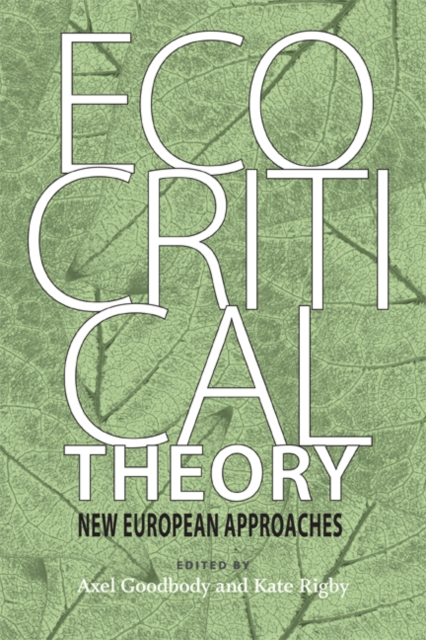
A History of Ecology and Environmentalism in Spanish American Literature undertakes a comprehensive ecocritical examination of the region's literature from the foundational texts of the nineteenth century to the most recent fiction.
A History of Ecology and Environmentalism in Spanish American Literature undertakes a comprehensive ecocritical examination of the region's literature from the foundational texts of the nineteenth century to the most recent fiction.
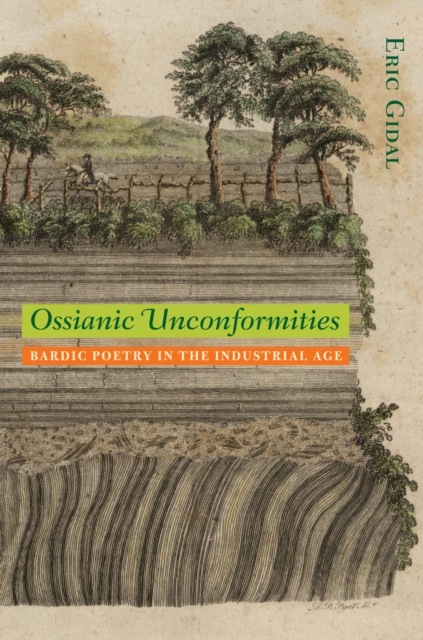
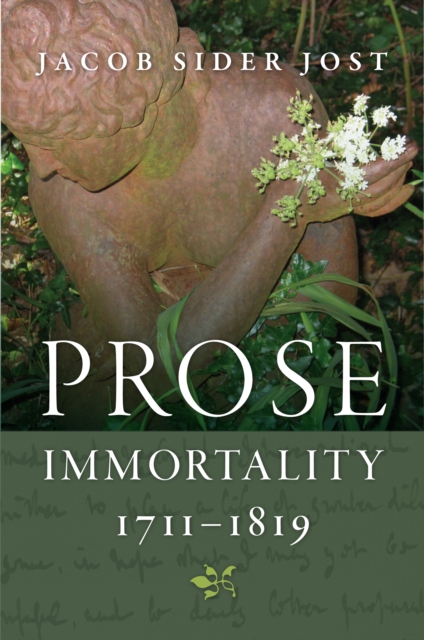
In a sequence of publications in the 1760s, James Macpherson, a Scottish schoolteacher in the central Highlands, created fantastic epics of ancient heroes and presented them as genuine translations of the poetry of Ossian, a fictionalized Caledonian bard of the third century.
Bringing together new writing by some of the field's most compelling voices from the United States and Europe, this is the first book to examine Italy--as a territory of both matter and imagination--through the lens of the environmental humanities.
In a sequence of publications in the 1760s, James Macpherson, a Scottish schoolteacher in the central Highlands, created fantastic epics of ancient heroes and presented them as genuine translations of the poetry of Ossian, a fictionalized Caledonian bard of the third century.
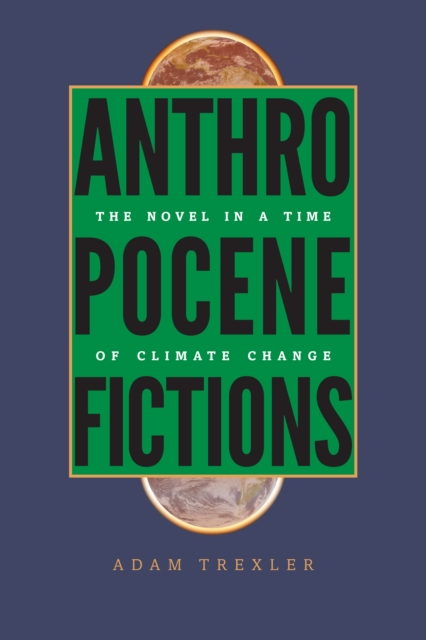
Since the Industrial Revolution, humans have transformed the Earth's atmosphere, committing our planet to more extreme weather, rising sea levels, melting polar ice caps, and mass extinction.
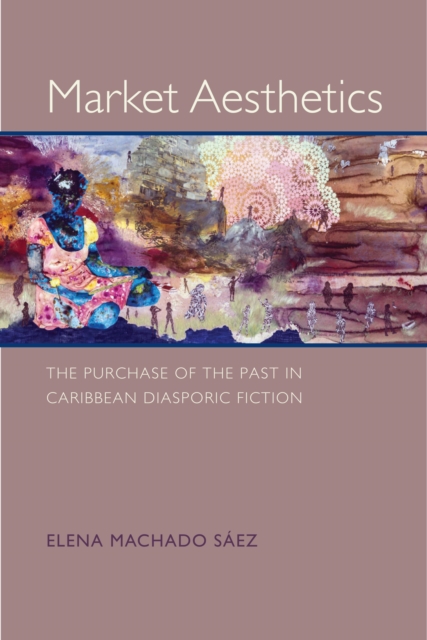
In Market Aesthetics, Elena Machado Saez explores the popularity of Caribbean diasporic writing within an interdisciplinary, comparative, and pan-ethnic framework.
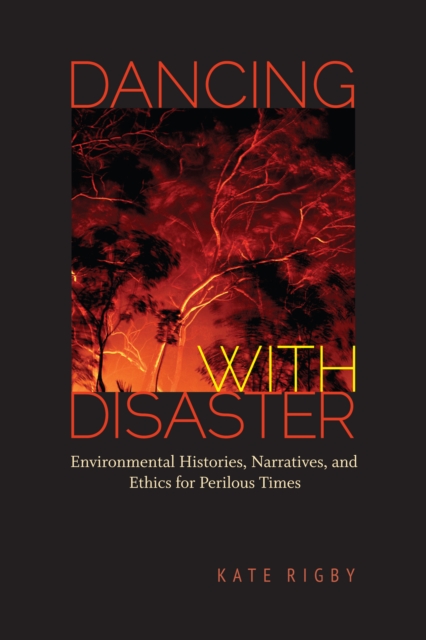
The calamitous impacts of climate change that are beginning to be felt around the world today expose the inextricability of human and natural histories.
Engaging important discussions about social conflict, environmental change, and imperialism in Africa, Different Shades of Green points to legacies of African environmental writing, often neglected as a result of critical perspectives shaped by dominant Western conceptions of nature and environmentalism.
The debate over the value of community-based environmental collaboration is one that dominates current discussions of the management of public lands and other resources.
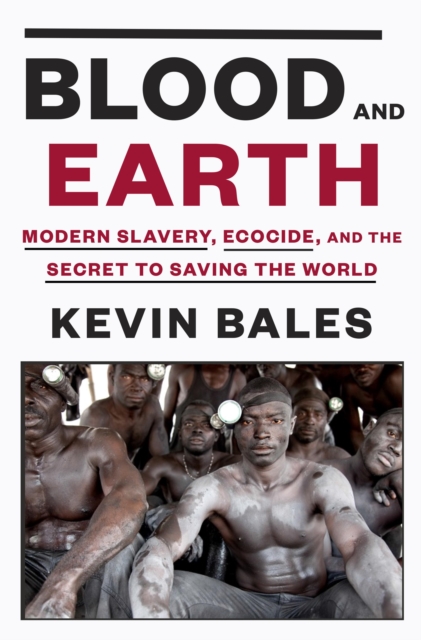
For readers of such crusading works of nonfiction as Katherine Boo’s Beyond the Beautiful Forevers and Tracy Kidder’s Mountains Beyond Mountains comes a powerful and captivating examination of two entwined global crises: environmental destruction and human trafficking—and an inspiring, bold plan for how we can solve them.
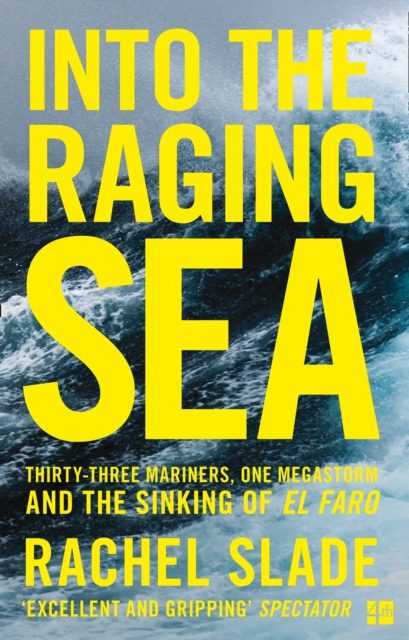
In the tradition of The Perfect Storm and Into Thin Air, Rachel Slade's Into the Raging Sea is a nail-biting account of the sinking of the container ship El Faro, the crew of thirty-three who perished onboard, and the destructive forces of globalisation that put the ship in harm's way.