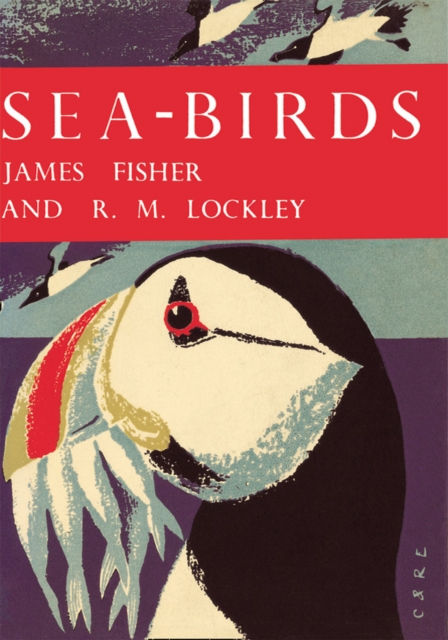
Sea-Birds introduces us to the sea-birds of the North Atlantic, an ocean in which about half the world sea-bird species have been seen at one time or another.
A compelling look at the B Corp movement and why socially and environmentally responsible companies are vital for everyone’s future—"a valuable guide to an important force" (Financial Times) "An important blueprint for how businesses can and should be both successful and a force for good.
SHORTLISTED FOR THE ROYAL SOCIETY TRIVEDI SCIENCE BOOK PRIZE 2025 & BSHS PICKSTONE PRIZE 2026A GUARDIAN & TELEGRAPH BEST SCIENCE BOOK 2025WATERSTONES BEST POPULAR SCIENCE BOOK 2025'A vital and important book' David OlusogaFrom an award-winning historian of race, science and empire, a path-breaking and poignant history of extinction as a scientific idea, an imperial legacy and a political choiceAnyone alive today is among a tiny fraction of the once living: over 90% of species that ever existed are now extinct.
In this powerful collection of interviews, Noam Chomsky exposes the problems of our world today, as we stand in this period of monumental change, preparing for a more hopeful tomorrow.
In this book, Sharon Amos explains how to design and create a beautiful garden for little or no money, offering tips on bartering for clippings, getting a bargain at garage sales or neighbourhood fairs, digging up suckers or adapting wild species and controlling them in a garden environment.
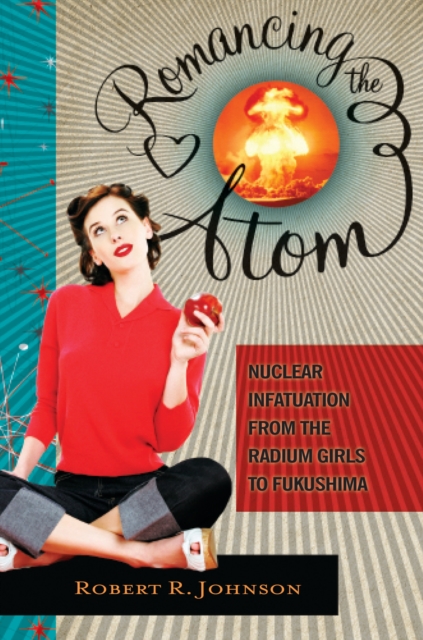
This book presents a compelling account of atomic development over the last century that demonstrates how humans have repeatedly chosen to ignore the associated impacts for the sake of technological, scientific, military, and economic expediency.
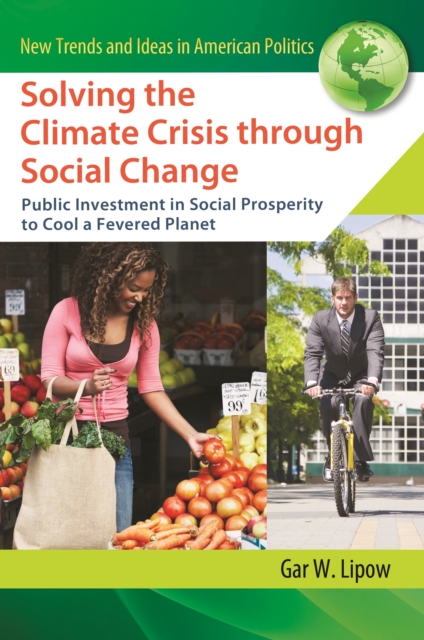
This book presents an accessible and easy-to-follow argument that the climate crisis is a side effect of inequality and injustice, and demonstrates how strategies such as large-scale social investment will prove far more effective in reducing greenhouse gas pollution than cap-and-trade or other forms of free-market environmentalism.
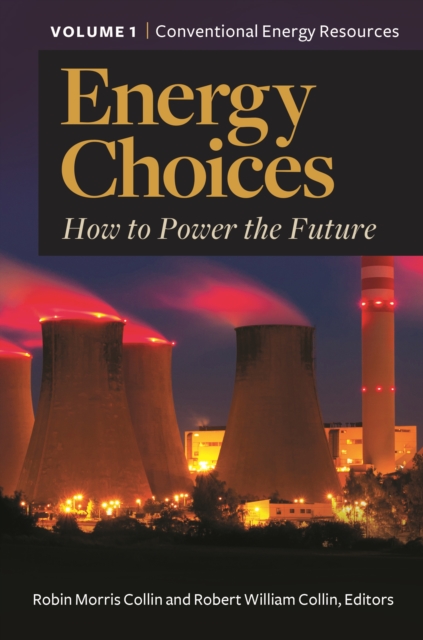
A must-read for anyone seeking to understand the complex issues surrounding energy generation and use, this one-of-a-kind resource clarifies everything from the basic structure of the industry to the potential-and risks-of new technologies.
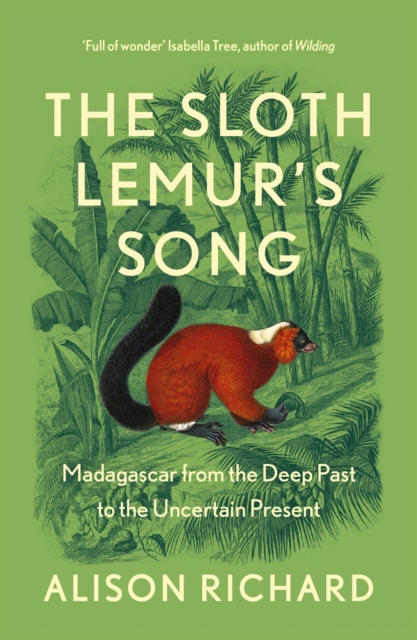
'Full of wonder and forensic intelligence' Isabella Tree, author of WildingA moving account of Madagascar told by a researcher who has spent over fifty years investigating the mysteries of this remarkable island.
How power is wielded in environmental policy making at the state level, and how to redress the ingrained favoritism toward coal and electric utilities.
A philosopher and a scientist propose that sustainability can be understood as living well together without diminishing opportunity to live well in the future.
A pragmatic new business model for sustainability that outlines eight steps that range from exploring a mission to promoting innovation; with case studies.
An argument that America''s addiction to crude oil has driven a foreign policy of intervention and exploitation hidden behind a facade of liberal internationalism.
How Los Angeles, Hong Kong, and China deal with such urban environmental issues as ports, goods movement, air pollution, water quality, transportation, and public space.
Stories of environmental stewardship in communities from New Orleans to Soweto accompany an interdisciplinary framework for understanding civic ecology as a global phenomenon.
An argument that environmental challenges will only resonate with citizens of affluent postindustrial countries if sustainability concerns emerge from everyday practices.
What happens when natural gas drilling moves into an urban area: how communities in North Texas responded to the environmental and health threats of fracking.
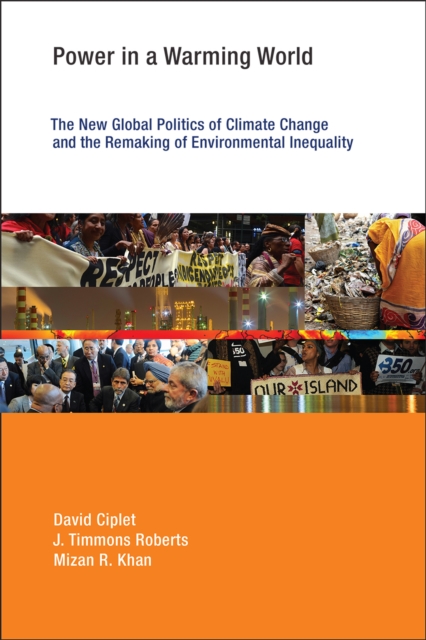
An examination of shifting global power dynamics in climate change politics, and how this affects our ability to achieve equitable and sustainable climate outcomes.
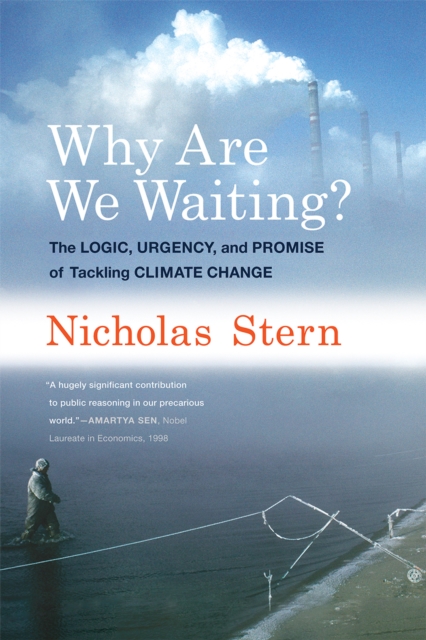
An urgent case for climate change action that forcefully sets out, in economic, ethical, and political terms, the dangers of delay and the benefits of action.
Bringing together new writing by some of the field's most compelling voices from the United States and Europe, this is the first book to examine Italy--as a territory of both matter and imagination--through the lens of the environmental humanities.