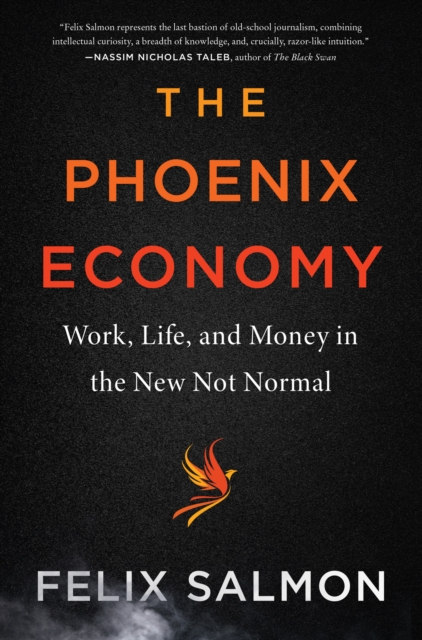
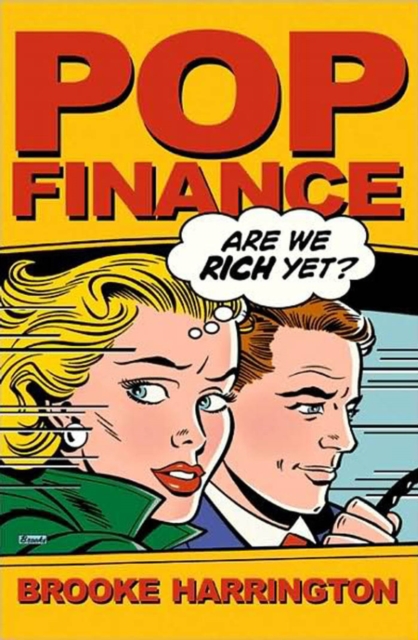
An award-winning journalist presents a tour-de-force analysisdrawing from history, economics, sociology, and popular cultureof the profound and transformative years of the early 2020s, both for individuals and for the global economy.
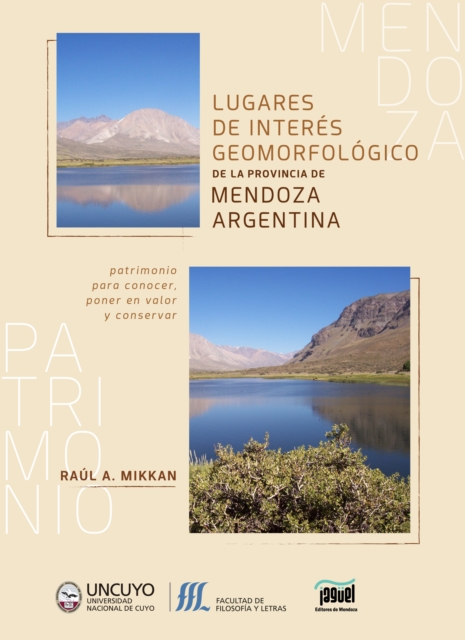
No es muy frecuente encontrar en el ámbito de la Geomorfología y sus prácticas un libro que integre el rigor científico, la minuciosidad descriptiva y el ritmo de una narración; tanto, que pueda ser documento referente para el estudioso del tema y también significativa fuente de información y placer de lectura para quien solo desee conocer el patrimonio natural de Mendoza en Argentina.
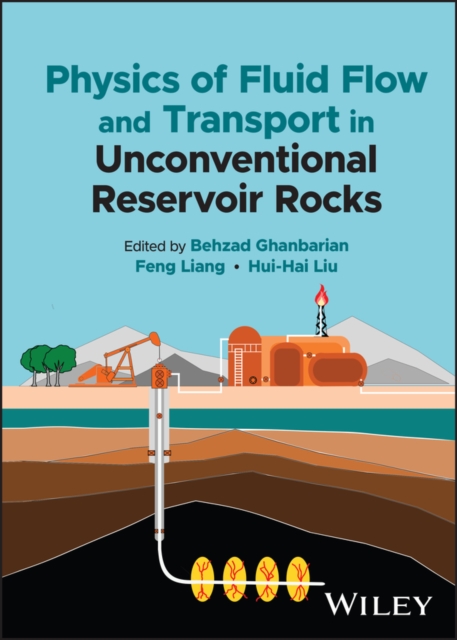
Physics of Fluid Flow and Transport in Unconventional Reservoir Rocks Understanding and predicting fluid flow in hydrocarbon shale and other non-conventional reservoir rocks Oil and natural gas reservoirs found in shale and other tight and ultra-tight porous rocks have become increasingly important sources of energy in both North America and East Asia.
An argument that humanists have the toolsand the responsibilityto mobilize political power to tackle climate changeAs climate catastrophes intensify, why do literary and cultural studies scholars so often remain committed to the separation of aesthetic study from the nitty-gritty of political change?
The perception, assessment and management of risk are increasingly important core principles for determining the development of both policy and strategic responses to civil and environmental catastrophes.
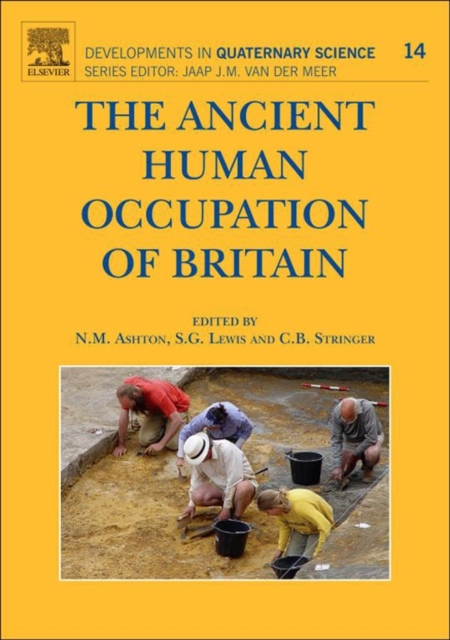
The Ancient Human Occupation of Britain Project (AHOB) funded by the Leverhulme Trust began in 2001 and brought together researchers from a range of disciplines with the aim of investigating the record of human presence in Britain from the earliest occupation until the end of the last Ice Age, about 12,000 years ago.
Remediation of Contaminated Environments summarises - amongst other things - what happened to the people and environment around Chernobyl (and other nuclear sites) and what measures need to be taken in future in the event of nuclear accidents etc.
Ostracod crustaceans, common microfossils in marine and freshwater sedimentary records, supply evidence of past climatic conditions via indicator species, transfer function and mutual climatic range approaches as well as the trace element and stable isotope geochemistry of their shells.
Integration of ichnological information into sedimentological models, and vice versa, is one of the main means by which we can improve our understanding of ancient depositional environments.
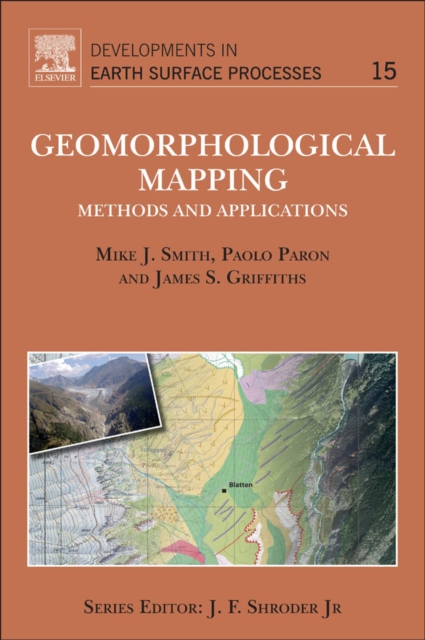
Geomorphological Mapping: a professional handbook of techniques and applications is a new book targeted at academics and practitioners who use, or wish to utilise, geomorphological mapping within their work.
The Evolution of the Genome provides a much needed overview of genomic study through clear, detailed, expert-authored discussions of the key areas in genome biology.
Against a background of extensive multi-disciplinary oceanographic investigations over a number of years, together with the long-term establishment of a Society and Institute, extensive information is available from studies undertaken in the estuarine and coastal waters of the Basque Country.
As with his 1994 book, Advanced Blowout and Well Control, Grace offers a book that presents tested practices and procedures for well control, all based on solid engineering principles and his own more than 25 years of hands-on field experience.
This volume contains chapters spanning from the role of geochemistry in the environment in general to specific investigations on site characterization (sampling strategy, analytical procedures and problems).
Sustainable Nuclear Power provides non-nuclear engineers, scientists and energy planners with the necessary information to understand and utilize the major advances in the field.
Wave Fields in Real Media examines the differences between an ideal and a real description of wave propagation, where ideal means an elastic (lossless), isotropic and single-phase medium, and real means an anelastic, anisotropic and multi-phase medium.
Due to political pressures, prior to the 1990s little was known about the nature of human foraging adaptations in the deserts, grasslands, and mountains of north western China during the last glacial period.
The little-known history of how the Sahara was transformed from a green and fertile land into the largest hot desert in the worldThe Sahara is the largest hot desert in the world, equal in size to China or the United States.
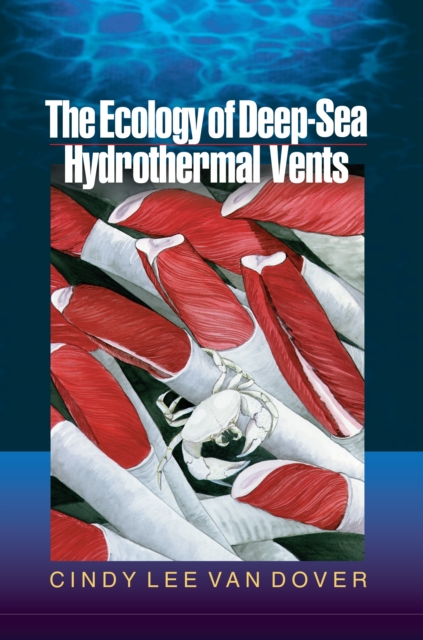
Teeming with weird and wonderful life--giant clams and mussels, tubeworms, "e;eyeless"e; shrimp, and bacteria that survive on sulfur--deep-sea hot-water springs are found along rifts where sea-floor spreading occurs.
A gripping history of the polar continent, from the great discoveries of the nineteenth century to modern scientific breakthroughsAntarctica, the ice kingdom hosting the South Pole, looms large in the human imagination.
Give and Take looks at local drug manufacturing in Kenya, Tanzania, and Uganda, from the early 1980s to the present, to understand the impact of foreign aid on industrial development.
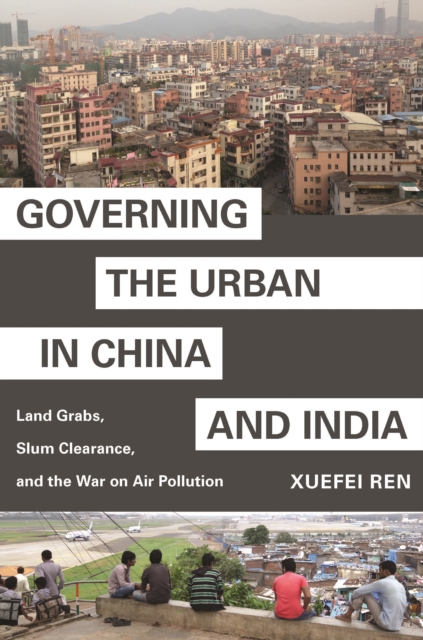
An in-depth look at the distinctly different ways that China and India govern their cities and how this impacts their residentsUrbanization is rapidly overtaking China and India, the two most populous countries in the world.
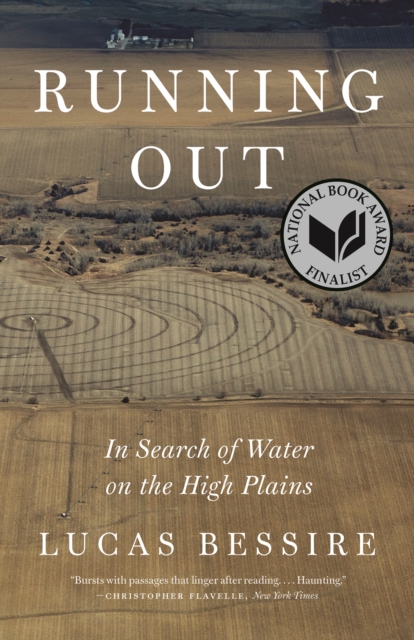
Finalist for the National Book AwardAn intimate reckoning with aquifer depletion in America's heartlandThe Ogallala aquifer has nourished life on the American Great Plains for millennia.
A bold reassessment of "e;smart cities"e; that reveals what is lost when we conceive of our urban spaces as computersComputational models of urbanism-smart cities that use data-driven planning and algorithmic administration-promise to deliver new urban efficiencies and conveniences.
A meditation on how environmental change and the passage of time transform the meaning of site-specific artIn the decades after World War II, artists and designers of the land art movement used the natural landscape to create monumental site-specific artworks.
A garden of geologic delights for all EarthlingsGeopedia is a trove of geologic wonders and the evocative terms that humans have devised to describe them.
During the 1990s, the United States underwent a dramatic transformation: investing in stocks, once the province of a privileged elite, became a mass activity involving more than half of Americans.