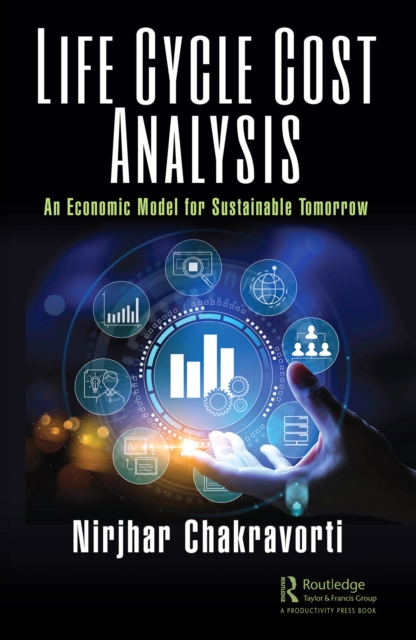
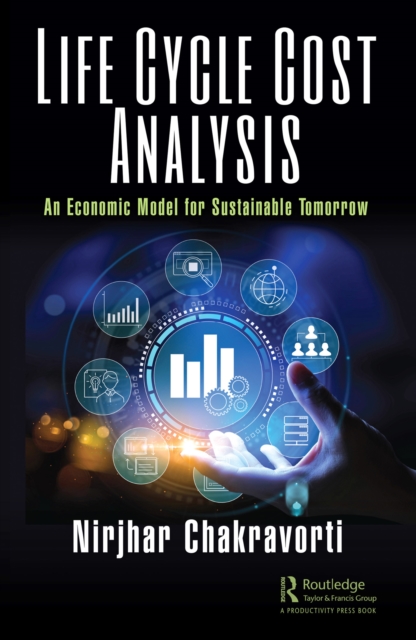
Life Cycle Costing (LCC) is the process of economic analysis to assess the total cost of ownership of an asset, including its cost of procurement, installation, operation, maintenance, conversion, and decommissioning.
Life Cycle Costing (LCC) is the process of economic analysis to assess the total cost of ownership of an asset, including its cost of procurement, installation, operation, maintenance, conversion, and decommissioning.
Hospitality and Tourism Marketing: Building Customer Driven Hospitality and Tourism Organizations is an absolutely crucial book in light of the world post COVID-19.
Hospitality and Tourism Marketing: Building Customer Driven Hospitality and Tourism Organizations is an absolutely crucial book in light of the world post COVID-19.
Ecofeminism is defined as a unique academic discipline, theoretical framework, and political and philosophical movement centred around both environmental and feminist concerns.
Business Ethics: The Sustainable and Responsible Way provides a fresh, contemporary, and hands-on approach to business ethics, emphasizing practical skills.
An insightful and easy-to-follow introduction to the defining business sustainability issues of our generation Describing sustainable business from the perspective of management, Nada R.
This book explores the relationship between gender inequality and the energy business, examining how gender relates to the process of producing energy, the management of energy companies, and the consumption of energy in the public and private sphere.
Ecofeminism is defined as a unique academic discipline, theoretical framework, and political and philosophical movement centred around both environmental and feminist concerns.
In ›Die Erfindung des Zufalls‹ taucht der Leser in eine faszinierende Welt ein, in der das scheinbar Unvorhersehbare eine tiefgreifende Ordnung offenbart.
Business Ethics: The Sustainable and Responsible Way provides a fresh, contemporary, and hands-on approach to business ethics, emphasizing practical skills.
As urbanization, digitalization, rising social expectations, and the quest for greener development become increasingly important and called for, a need to transform infrastructure and its management has become more pronounced.
This book intervenes in contemporary debates about climate activism, militancy, and strategy that have been gathering force in radical ecological circles.
This book intervenes in contemporary debates about climate activism, militancy, and strategy that have been gathering force in radical ecological circles.
While the number of publications on corporate social responsibility has skyrocketed since the last economic crisis that began in 2008, challenges still remain in the modern economy that make socially responsible business a leading topic both in the field of science and business practice.
While the number of publications on corporate social responsibility has skyrocketed since the last economic crisis that began in 2008, challenges still remain in the modern economy that make socially responsible business a leading topic both in the field of science and business practice.
The subject of Artificial Intelligence (AI) is continuing on its journey of affecting each and every individual and will keep on this path in the times to come.
The United States and China are each actively pursuing development of a Blue Economy to promote greater marine, maritime, and naval capabilities through more innovative, sustainable and environmentally friendly means.