Based on unique access interviews with leading chairmen and senior executives, All Above Board examines the key functions of the ideal 21st century board, how and why badly led boards fail, and what changes can be made to improve board behavior and efficiency for best practice.
By considering the importance of Corporate Social Responsibility (CSR) as a business paradigm but also as a growing scepticism about it's outcomes, The True Value of CSR answers questions about true value behind this concept, motivations of firms embedding CSR in their core strategies and a capacity of CSR to make a real difference on the market.
Responsible and sustainable business practices are becoming increasingly important in the information age, as companies are realizing the need to address ethical and social issues associated with their operations.
This text discusses the economic, social and political implications of redirecting labour and capital from a military-based to a post-Cold War economy.
This text discusses the economic, social and political implications of redirecting labour and capital from a military-based to a post-Cold War economy.
This book is a focussed and up-to-date review about the key challenges, trends, implications, strategies, and ways of overcoming, that dynamic and competitive organizations are facing now and increasingly in future by climate change.
Dieses Buch bietet eine komprimierte und praxisorientierte Einführung in die Grundlagen und Anforderungen eines Compliance-Managements, um den Leser schnell mit aktuellen und zentralen Regelungen vertraut zu machen.
This volume examines the crisis of humanities narratives in the context of neoliberal capitalism and of the emergence and consolidation of the metrics-driven, corporate, managerial university.
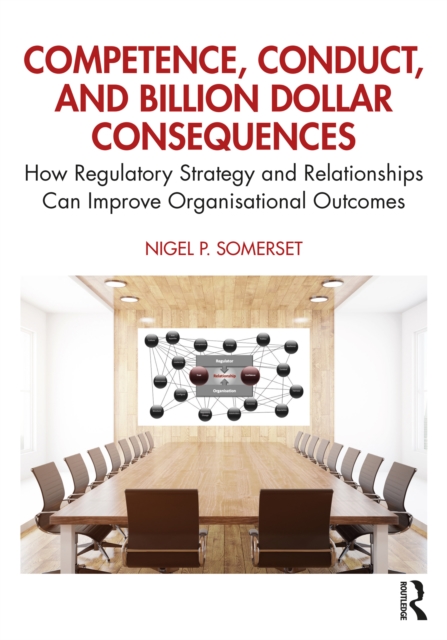
This practical guide to understanding how regulators build insight and form judgements will help organisations to develop their strategy and approach to engagement and to improve their regulatory outcomes.
This practical guide to understanding how regulators build insight and form judgements will help organisations to develop their strategy and approach to engagement and to improve their regulatory outcomes.
This book takes into consideration the development of different forms of populism in various countries with democratic political systems over the past two decades.
This publication examines beneficial ownership transparency in nine countries in Asia and the Pacific and explains how overcoming hurdles to ensure the full disclosure of company ownership is key to cracking down on crime and corruption.
This report explains the complex challenges facing the six countries in the renewables-rich Greater Mekong Subregion (GMS) as they work to implement a comprehensive framework to enable regional electricity power trading.
Grounded in institutional theories, this volume offers a framework for understanding the evolution of corporate governance in the six leading Latin American countries, namely Argentina, Brazil, Chile, Colombia, Mexico, and Peru.
Build innovative teams that drive business success todayIn The CEO's Competitive Advantage: Harnessing the Power of the Hispanic Workforce to Drive Business Success, Marcela Manjarrez combines her professional experience, executive interviews, and current research to provide actionable, data-driven insights and definitive strategies for leveraging Hispanic and other nontraditional talent to achieve business excellence through: Identifying educational barriers and opportunities Expanding mentorship and sponsorship programs Repairing leaky pipelines to management, the C-suite, and the boardroom Holding leaders accountable for measurable progress across all these fronts By embracing the strategies outlined in this book, senior leaders can establish a virtuous cycle of innovation, growth, and prosperity.
El gobierno corporativo, entendido como la forma como se dirigen y se controlan las empresas, constituye uno de los aspectos fundamentales para la perdurabilidad y competitividad de las organizaciones.
This book is a practical guide for executive and non-executive directors and aspiring directors to lead, govern, and steer UK-based organisations to long-term sustainable success.
This book is a practical guide for executive and non-executive directors and aspiring directors to lead, govern, and steer UK-based organisations to long-term sustainable success.
This book examines the contemporary and contentious question of the critical connections between business and human rights, and the implementation of socially responsible norms in developing countries, with particular reference to Kenya, Nigeria, and South Africa.
In the aftermath of the Global Financial Crisis, corporate collapses, accounting scandals, and concerns around competition and auditor choice, the European Commission (EC) promoted the preparation of various reports on audit policy to support a harmonisation process of European auditing regulation.
Often highlighted for being a microcosm within the greater global context, Icelandic businesses and institutions provide the perfect opportunity to advance knowledge of corporate governance and business ethics amidst once-in-a-lifetime events such as the 2008 Financial Crisis and the COVID-19 pandemic.
Often highlighted for being a microcosm within the greater global context, Icelandic businesses and institutions provide the perfect opportunity to advance knowledge of corporate governance and business ethics amidst once-in-a-lifetime events such as the 2008 Financial Crisis and the COVID-19 pandemic.
The economic process of financialization is defined by many as the development of the dependence and subordination of the productive sector to the financial sector.
The economic process of financialization is defined by many as the development of the dependence and subordination of the productive sector to the financial sector.
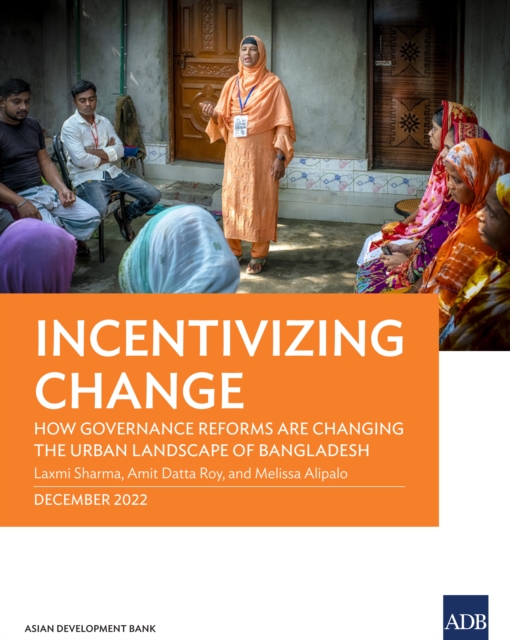
Since 2002, the Asian Development Bank has worked with the Government of Bangladesh on expanding the Urban Governance and Infrastructure Improvement Project (UGIIP), to revitalize 96 of the country's 328 important secondary towns-pourashavas.
A number of truly disruptive events have occurred in recent times, from the financial crisis and the pandemic to political conflict with broad ramifications for international business conduct.