Cutting-edge technologies have recently shown great promise in a variety of activities for enhancing the existing services of a bank such as the improvement of transactions, ensuring that transactions are done correctly, and managing records of services of savings accounts, loan and mortgage services, wealth management, providing credit and debit cards, overdraft services and physical evidence as key drivers of bank ecosystem.
The Data Mirage: Why Companies Fail to Actually Use Their Data is a business book for executives and leaders who want to unlock more insights from their data and make better decisions.
Designing Service Processes to Unlock Value explores how service processes can be designed to leverage the expanding range of opportunities for service providers and customers to co-create value.
This is a book for anyone intrigued by the complexities of digital leadership that require a capability to constantly balance the routines of everyday business with the ability to innovate.
This book is an introduction to computers covering relevant topics that include: computers and society, the Internet, social media, Microsoft Office 2019, and high-level programming.
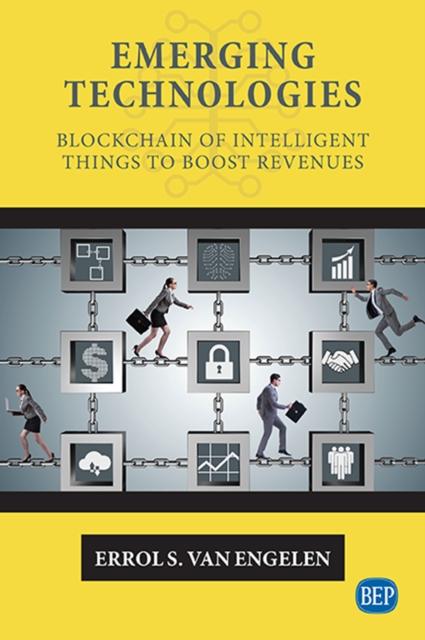
The convergence of blockchain and Internet of things (IoT) powered by data and artificial intelligence (AI) is on the agenda of several big companies and some of them have already started using its implementations, initiatives, and solutions in various projects.
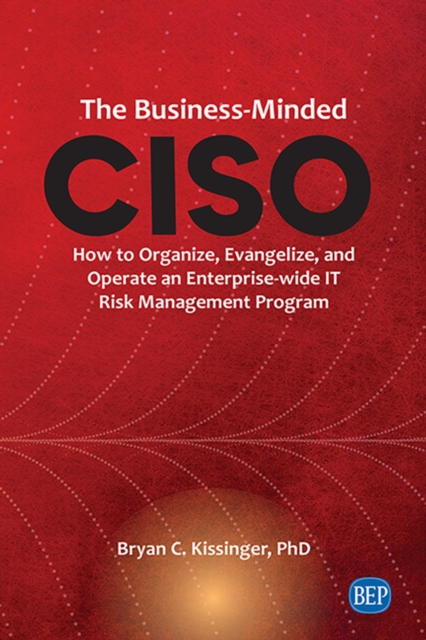
This book describes the thought process and specific activities a leader should consider as they interview for the IT risk/information security leader role, what they should do within their first 90 days, and how to organize, evangelize, and operate the program once they are into the job.
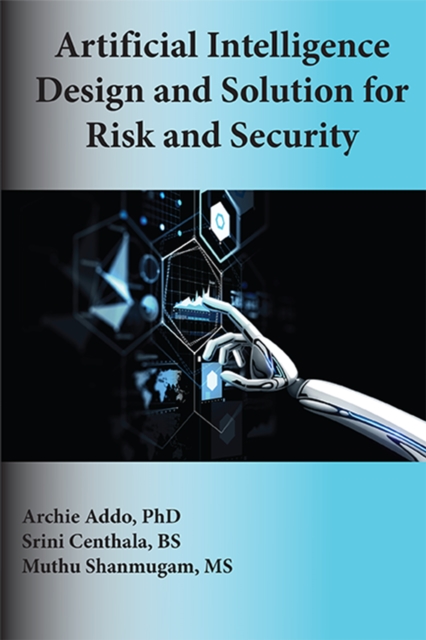
Artificial Intelligence (AI) Design and Solutions for Risk and Security targets readers to understand, learn, define problems, and architect AI projects.
This book gives business decision makers and students a clear overview of the history, current applications, and future potential of distributed ledgers and cryptocurrency.
In this book, experts from industry and academia explore these trends and discuss how innovative companies are leveraging Artificial Intelligence and intelligent tools to make the workforce more inclusive, and enhance and augment the human worker rather than replace it.
Highly Effective Marketing Analytics infuses analytics into marketing to help improve marketing performance and raise analytics IQ for companies that have not yet had much success with marketing analytics.
Todays workers are drowning: nonstop requests for time, days filled to the brim with meetings, and endless nights spent heroically fixing the latest problems.
Mark Schwartz, author of leadership classics A Seat at the Table and The Art of Business Value, reveals a new (empowering) model for the often soul-shattering, frustrating, Kafkaesque nightmare we call bureaucracy.
The revolutionary effects of using accounting information systems by displacing manual information systems in the private and public sectors cannot be overstated.
In today's high-pressured world, digital transformation is everywhere on the agendas of corporate boards and has risen to the top of CEOs' strategic plans.
The objective of Creating a Culture for Information Systems Success is to assist CIOs and IT managers on how to use their managerial actions to create a suitable cultural environment in the organization that leads to a successful and sustainable implementation of information systems function.
Survey research is a powerful tool used in business, health care, government, and other fields that seek to understand how and why individuals behave the way they do.
Until recently, if it has been considered at all in the context of business continuity, cyber security may have been thought of in terms of disaster recovery and little else.
As tech giants and startups disrupt every market, those who master large-scale software delivery will define the economic landscape of the 21st century, just as the masters of mass production defined the landscape in the 20th.
Agile, Lean, and DevOps approaches are radical game changers, providing a fundamentally different way to think about how IT fits into the enterprise, how IT leaders lead, and how IT can harness technology to accomplish the objectives of the enterprise.
Software is becoming more and more important across a broad range of industries, yet most technology executives struggle to deliver software improvements their businesses require.
In June 2016, the Norwegian Programme for Capacity Development in Higher Education and Research for Development (Norhed) hosted a conference on the theme of eknowledge for developmenti in an attempt to shift the focus of the programme towards its academic content.
The Social Dynamics of Open Data is a collection of peer reviewed papers presented at the 2nd Open Data Research Symposium (ODRS) held in Madrid, Spain, on 5 October 2016.
The Social Dynamics of Open Data is a collection of peer reviewed papers presented at the 2nd Open Data Research Symposium (ODRS) held in Madrid, Spain, on 5 October 2016.
With the adoption of the United Nations Sustainable Development Goals (SDGs) and the Paris Agreement, the purpose of development is being redefined in both social and environmental terms.
With the adoption of the United Nations Sustainable Development Goals (SDGs) and the Paris Agreement, the purpose of development is being redefined in both social and environmental terms.
Latest Edition: From Knowledge Management to Strategic Competence: Assessing Technological, Market and Organisational Innovation (3rd Edition)The business and academic communities continue to have an interest in the concepts of knowledge management and strategic competencies or core capabilities.
In recent years, the way open source software is developed has taken hold as a valid alternative to commercial proprietary methods, as have the products themselves, e.
Two recent major trends in today's complex and competitive high technology global society have underscored the importance for a textbook on strategic technology management.
This is the first book to offer practical advice on intranet management, based on the work of the author as an intranet consultant over the past fifteen years.