Indonesia's diverse economic landscape and growing importance in the global and regional stages warrant deeper understanding of the economy at sub-national levels.
Foundations of the Future examines the geo-economic and geo-strategic implications of a growing global 'battle' to promote infrastructural connectivity across and between continents of the world.
This book presents insights on Singapore's economy and society from leading thinkers, based on selected commentaries from Singapore Perspectives conference series co-published by Institute of Policy Studies and World Scientific.
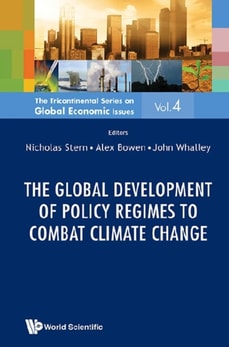
Reflecting the diverse and profound changes triggered by the latest wave of economic globalization, this book highlights various governance responses at national, regional and global levels.
This book studies the Suzhou Industrial Park, a flagship project between the governments of Singapore and China, in a holistic manner, by highlighting not only its economic progress but also the developments on the social front such as its neighbourhood centres, schools, housing and talent attraction.
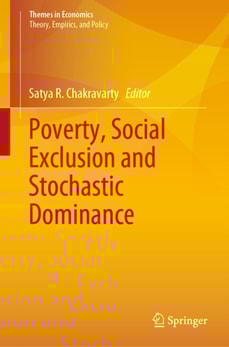
This book honors the memory of Tony Atkinson, who made significant contributions to the rigorous study of income inequality, poverty, and redistribution.
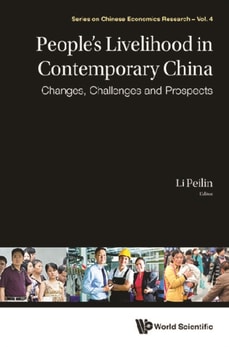
Since being established in 1949 - and especially since the reform and opening up 30 years ago - China has experienced the most drastic changes ever in its 5000-year history.
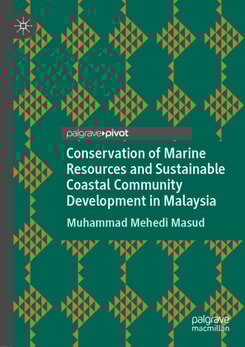
This book addresses a timely and compelling emerging issue related to the conservation and sustainable use of marine resources and the sustainable development of the coastal community.
Corruption, Good Governance and Economic Development adopts a non-Eurocentric approach towards good governance issues in Asia and Africa on practical and theoretical levels.
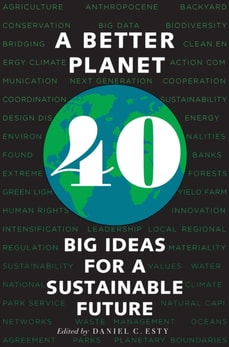
A practical, bipartisan call to action from the world’s leading thinkers on the environment and sustainability Sustainability has emerged as a global priority over the past several years.
The Chinese in Southeast Asia, with their growing economic clout, have been attracting attention from politicians, scholars and observers in recent decades.
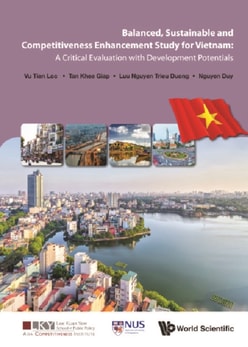
Drawing on the studies by the Asia Competitiveness Institute (ACI) at the Lee Kuan Yew School of Public Policy (LKYSPP), National University of Singapore (NUS), this book titled Balanced, Sustainable and Competitiveness Enhancement Study for Vietnam: A Critical Evaluation with Development Potentials, which is a joint research collaboration between the National Research Project on Improving Vietnam's Competitiveness and ACI-LKYSPP-NUS, provides a detailed assessment of the Vietnamese economy.
Aerospace giant Rockwell Collins typified the old-fashioned corporate approach to organizational learning: lackluster offerings in bland classroom settings, with little connection to the needs of employees or the goals of the company.
This volume examines the development of Guangdong, especially the Pearl River Delta, throughout the era of China's economic reforms and opening to the external world (from 1978 till now).
Handbook of Economic Stagnation takes a broad view, including contributions from orthodox and heterodox economists who examine situations in countries and worldwide regions, including Japan and the Euro area.
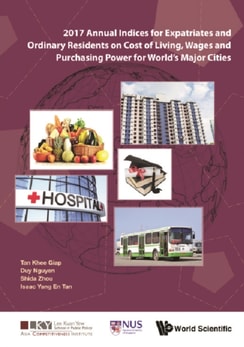
This book provides a valuable compendium of annual indices and rankings of cost of living for expatriates and cost of living, wages and purchasing power for ordinary residents in 105 world's major cities over the period 2005-2015.
The Routledge International Handbook of Changes in Human Perceptions and Behaviors is the first edited volume to present multidisciplinary perspectives on various aspects of changes that humans experience.
Advances in technology and changes in consumer buying patterns have forced businesses to alter their traditional marketing approach to incorporate contemporary ideologies that will drive customer satisfaction, meet societal expectations, and boost business performance for competitive advantage.
Die nationalen Grenzen haben ihre wirtschaftliche Bedeutung weitgehend verloren, so dass die internationalen Wirtschaftsbeziehungen von „intraglobalen“ Wirtschaftsbeziehungen abgelöst wurden.
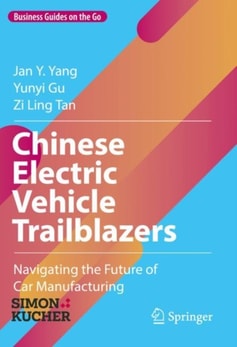
From business models to unique selling propositions, from product offerings to sales, marketing and pricing strategies, this book reveals what sets Chinese electric car manufacturers apart from their Western counterparts.
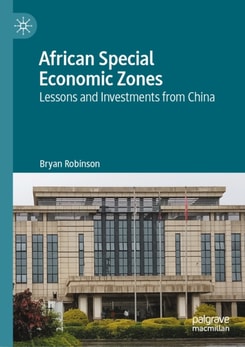
This book evaluates African Special Economic Zones from the perspective of learning from China's experiences with such Zones and the impact of Chinese policy and investment on African Zones.
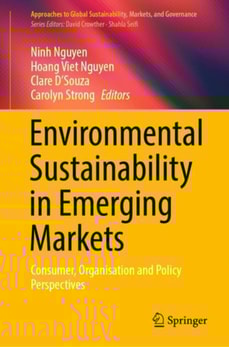
Increasing evidence of environmental deterioration in emerging markets, climate change, and consequences of environmental waste have compelled not only businesses but also consumers to reduce the environmental burden, mitigate waste and preserve resources for future generations.
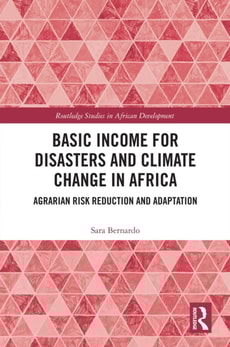
This book considers how basic income could be used as a mechanism for disaster risk reduction and climate change adaptation in African agrarian societies.
First published in 1956, Introduction to Keynesian Dynamics provides a coherent and compact study of macro-dynamic analysis in general and particularly the two outstanding 'post Keynesian' developments in the field- 1) dynamic theories of cyclical fluctuations and 2) secular growth analysis.
This book examines the transition, transformation and future of the informal sector, informal work and informal workers in India from the perspectives of development economics as well as those of international organisations.
This book is an excellent resource for academics and students interested in ethics and accountability in the public sector, as well as for practitioners, NGO workers and policymakers.
The book embodies the proceedings of the symposium on the Role of Commercial Activities in the Economic Development of the Ganga Basin organised in January, 1990, at the University of Gorakhpur, Gorakhpur.
Provision of infrastructure development continues to be a great concern in emerging economies, particularly in ensuring sustainable growth through business continuity, and human development.
This book provides and sheds light on insights, challenges, and opportunities to support the development and economic growth of the fashion industries within emerging markets.
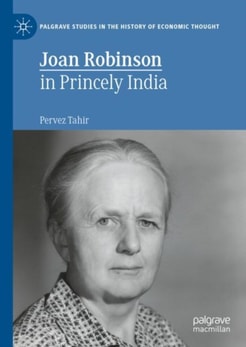
This book explores the early work and activities of Joan Robinson that focused on economic development within underdeveloped countries, in particular India before independence.