Disasters damage and destroy infrastructure and disrupt economic activities and services, potentially delaying long-term development and hampering efforts to reduce poverty in the region.
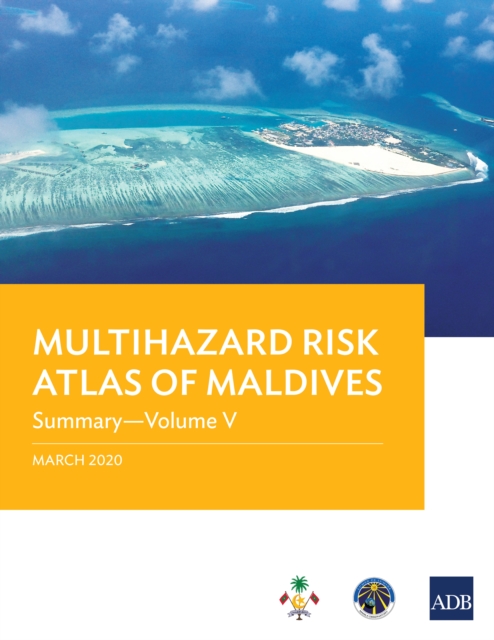
This atlas provides spatial information about Maldives and thematic maps necessary for assessing future development investments in terms of climate risks and geophysical hazards.
This atlas provides spatial information about Maldives and thematic maps necessary for assessing future development investments in terms of climate risks and geophysical hazards.
This atlas provides spatial information about Maldives and thematic maps necessary for assessing future development investments in terms of climate risks and geophysical hazards.
This atlas provides spatial information about Maldives and thematic maps necessary for assessing future development investments in terms of climate risks and geophysical hazards.
This atlas provides spatial information about Maldives and thematic maps necessary for assessing future development investments in terms of climate risks and geophysical hazards.
This report examines the impacts of the coronavirus disease (COVID-19) pandemic on labor markets in Indonesia, Malaysia, the Philippines, Thailand, and Viet Nam.
The coronavirus disease (COVID-19) pandemic has highlighted the vital role of financial inclusion in supporting resilience and economic recovery among the most vulnerable populations in Asia and the Pacific.
Mientras se nos distrae con el crecimiento de la renta per cápita - nos dice el autor -, se nos oculta el hecho de que el verdadero crecimiento es el miedo per cápita.
La clase media creía en el futuro: confiaba en que si cumplía lo que se le había asignado el porvenir le sonreiría, que la madurez sería económicamente mejor que la juventud, que sus hijos vivirían mejor que ellos y que sus opciones vitales se ampliarían.
El antropólogo y periodista Joris Luyendijk sabía tanto como cualquier hijo de vecino sobre los misterios de la actividad financiera: apenas un par de tópicos.
El mundo que hoy conocemos, desigual y en guerra, con China en estrecha competencia con Estados Unidos para convertirse en la primera potencia, empezó a gestarse con la caída del muro de Berlín, en 1989.
La década perdida: escritos de un tiempo de crisis (2008-2018) es lo que su título dice: un intento por presentar de dos maneras estrechamente relacionadas las razones que han hecho de la década que ya discurre a nuestras espaldas, un tiempo perdido desde el punto de vista económico.
Colas interminables para conseguir leche, harina y pañales; esperas de hasta once horas para comprar la batería de un carro; clínicas que suspenden cirugías cardiovasculares por falta de insumos médicos son escenas habituales para los venezolanos, independientemente de su extracción social.
Kryptowahrungen haben in den vergangenen Jahren sukzessive an Bekanntheit gewonnen, viele Geldanleger spekulativ angeregt und das Verstandnis von traditionellen Fiat-Wahrungen hinterfragt.
Bei den fünf Buchstaben L-O-T-T-O wird bei der Mehrheit der Menschen in vielen Sprachen eine Hoffnung wachgerufen: Der Traum von Reichtum, Glück und vor allem der Traum davon, nicht mehr arbeiten zu müssen.
Die internationale Finanzkrise 2008 hat gezeigt, wie groß die Gefahren einer ausgeprägten Schieflage des Finanzsystems sind – die Auswirkungen machen weder an Sektoren- noch an Ländergrenzen halt.
Immer wieder haben wir sie gehört und selbst angestimmt: die Klagelieder über die Zerstörung von Menschlichkeit, Kultur und natürlichen Ressourcen durch eine entfesselte Wirtschaft, die Moritaten über die planmäßige Produktion von gesellschaftlicher Ungleichheit im Interesse der Profite einiger Weniger.
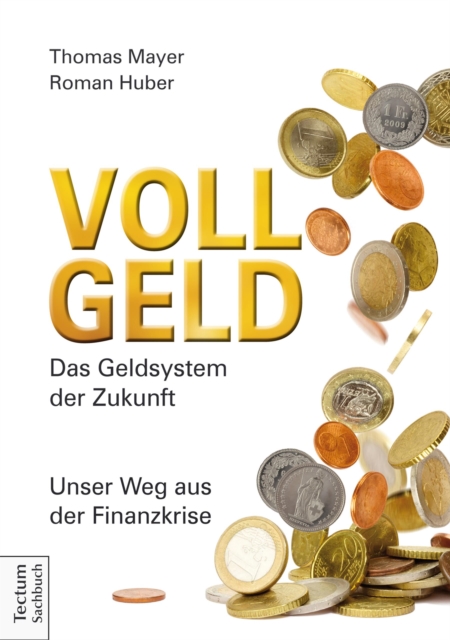
Würden Sie einem System zustimmen, in dem der Großteil der Geldmenge durch private, profitorientierte Unternehmen produziert und in Umlauf gebracht wird?
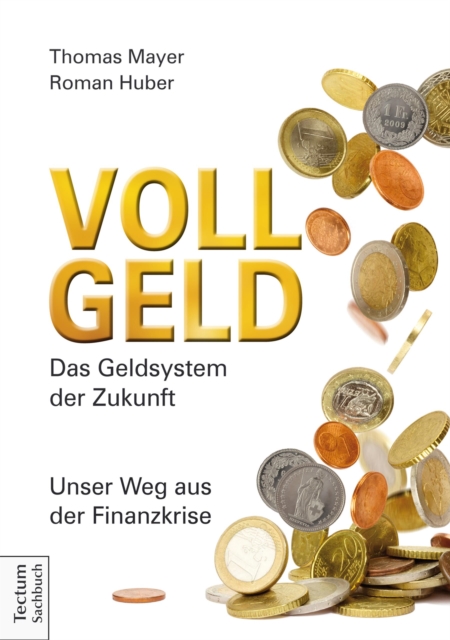
Würden Sie einem System zustimmen, in dem der Großteil der Geldmenge durch private, profitorientierte Unternehmen produziert und in Umlauf gebracht wird?
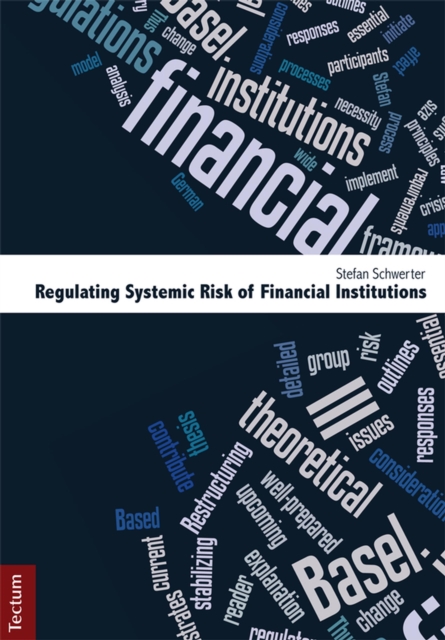
The financial crisis 2007-2009 clearly demonstrates the necessity to implement regulations for systemically important financial institutions to achieve overall financial stability.
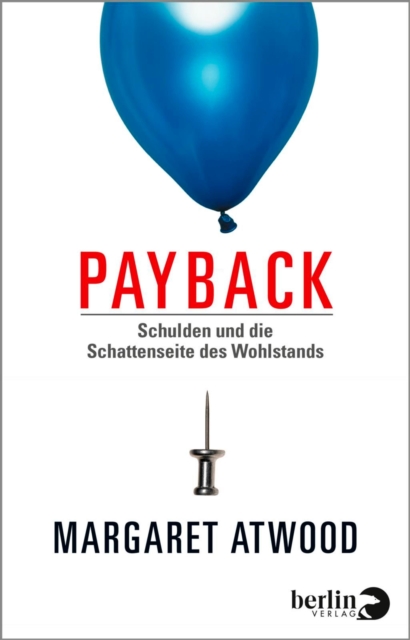
Margaret Atwood erklärt uns mit faszinierender Klarheit, wie maßgeblich das Konzept der Schuld – im ökonomischen und im moralischen Sinn – unser Denken und Verhalten seit Anbeginn der menschlichen Kultur prägt und bestimmt.
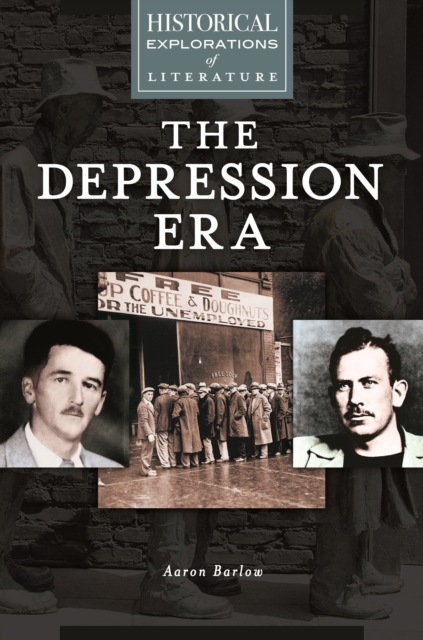
Through a diversity of primary source resources that include works by politicians and literary figures, book reviews, and interviews, this book enables student readers to better understand literature of the Great Depression in context through original documents.