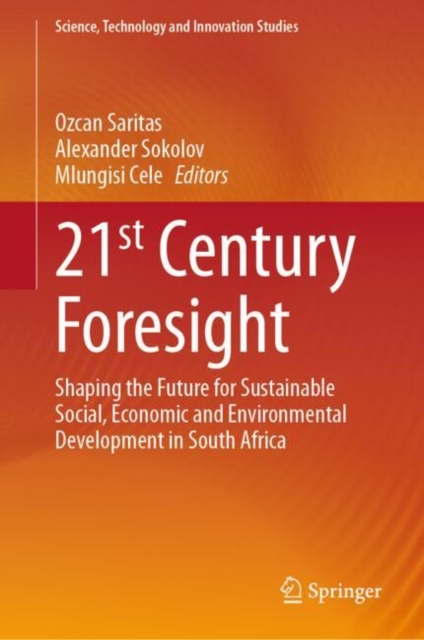
Using a new methodology for foresight studies, this book presents new findings and policy recommendations to improve living conditions and make progress toward achieving the Sustainable Development Goals (SDGs).
Principles of Sequence Stratigraphy, Second Edition presents principles to practical workflow that guide applications in a consistent manner that is independent of model, geological setting and the types and resolution of the data available.
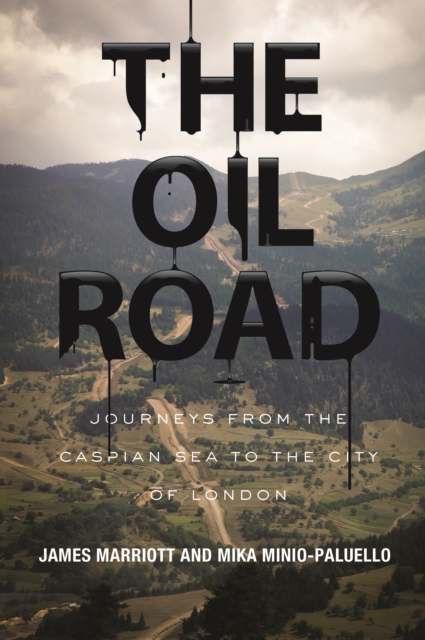
In a unique journey from the oil fields of the Caspian Sea to the refineries and financial centres of Northern Europe, James Marriott and Mika Minio-Paluello track the concealed routes along which flows the lifeblood of our economy.
Read the fascinating story of one of the greatest unsung figures of the nature conservation movement, founder of the RSPB and icon of early animal rights activism, Etta Lemon.
The first authoritative study of Japan's environmental problems by the acclaimed environmental economist, placing environmental issues within a socioeconomic context.
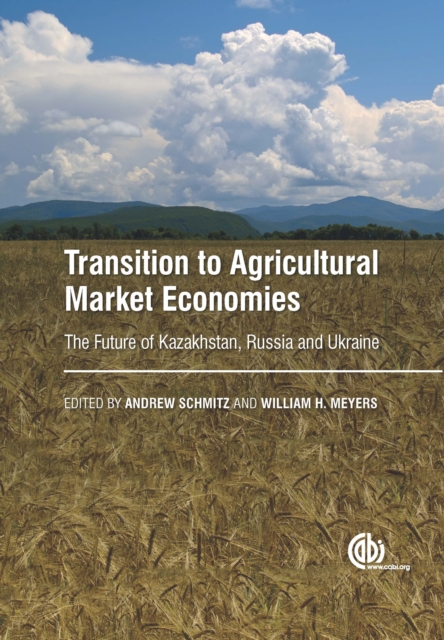
It is believed that the major countries of the former Soviet Union-specifically Kazakhstan, Russia, and Ukraine (KRU region)-are the part of the world with the most potential to increase food supplies and strengthen world food security.
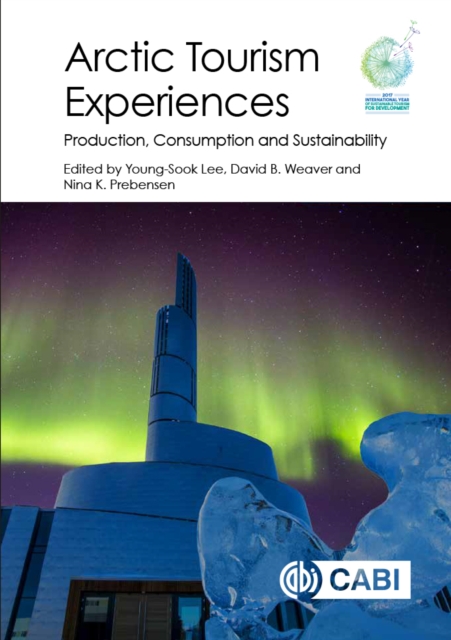
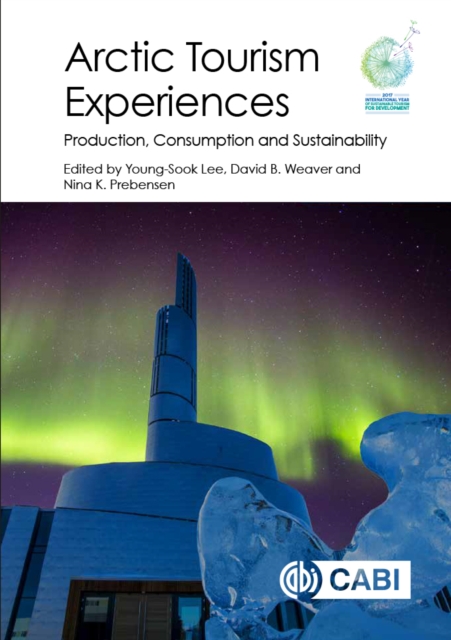
An exploration of Arctic tourism, focusing on tourist experiences and industry provision of those experiences; this is the first compilation to concentrate on the fundamental essence of the Arctic as being a geographical periphery, but also an experiential core that offers peak tourism experiences.
An exploration of Arctic tourism, focusing on tourist experiences and industry provision of those experiences; this is the first compilation to concentrate on the fundamental essence of the Arctic as being a geographical periphery, but also an experiential core that offers peak tourism experiences.
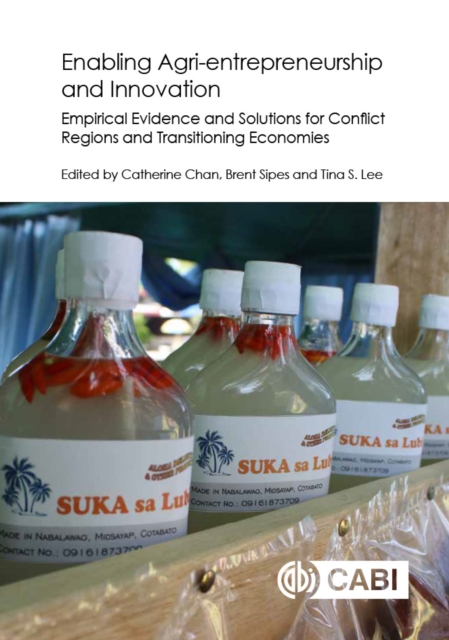
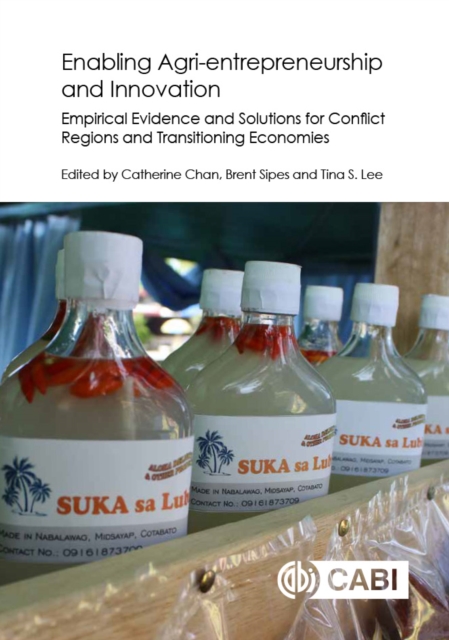
Agricultural entrepreneurs in conflict and post-conflict regions face special challenges; not just everyday personal risks, but also the difficulties of building small businesses when real or threatened violence can disrupt business growth cycles and economic security.
Agricultural entrepreneurs in conflict and post-conflict regions face special challenges; not just everyday personal risks, but also the difficulties of building small businesses when real or threatened violence can disrupt business growth cycles and economic security.
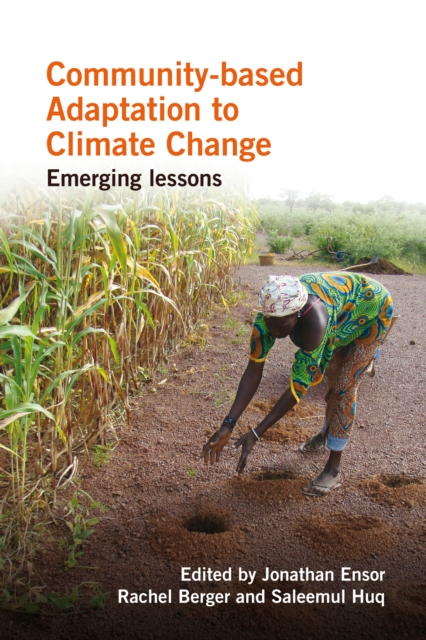
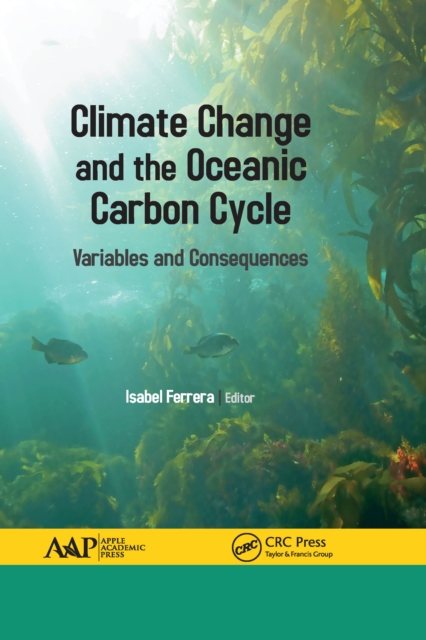
As climate becomes less predictable and extreme weather events become more frequent, there is an urgent need for support that will help communities to prepare and adapt to changing conditions.
In this highly original work, Mary Njeri Kinyanjui explores the trajectory of women's movement from the margins of urbanization into the centres of business activities in Nairobi and its accompanying implications for urban planning.
This guide explores the idea of economic growth, tracing its history and questioning why it has become so unchallengeable and powerful when unlimited growth in a finite world is ultimately impossible.
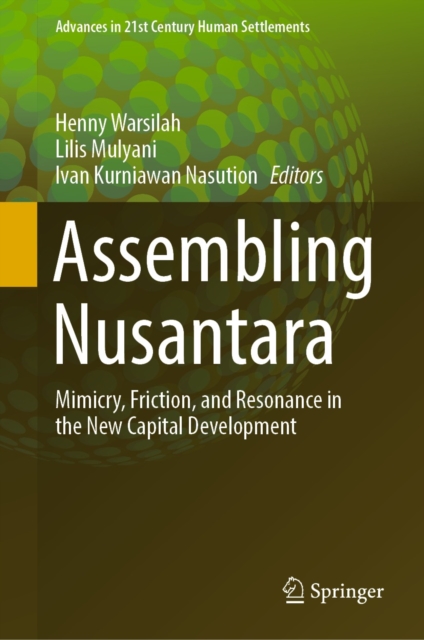
Today, the new Indonesian capital city, Nusantara, planning is being anticipated as "e;representing national identity,"e; "e;a model city,"e; or "e;a gift to the world,"e; and many other extraordinary labels.
The only metric that tracks how much nature we have - and how much nature we useEcological Footprint accounting, first introduced in the 1990s and continuously developed, continues to be the only metric that compares overall human demand on nature with what our planet can renew its biocapacity and distils this into one number: how many Earths we use.
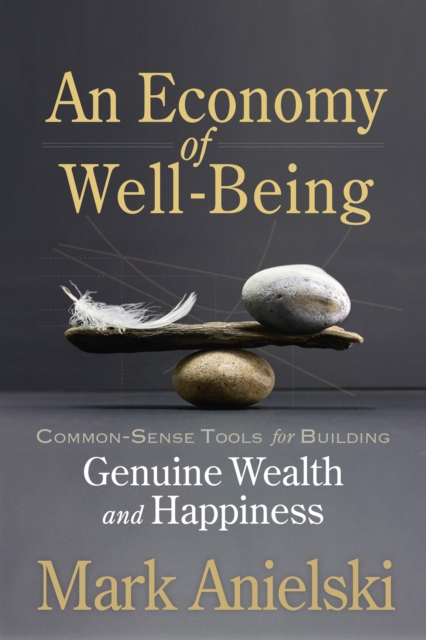
Help build a world based on flourishing well-being for both the human family and nature In the face of political, financial, and environmental upheaval, it's difficult to slow down and build lives of mindfulness and joy.