Meeting the people who grow our bananas and cocoa and make our clothes, this No-Nonsense Guide to Fair Trade tells the human story behind what we consume.
The volume is partitioned into five sub areas, addressing the process of dispute resolution and appeal under the DSU of the WTO; politics and disputes between sovereign nations; power inequities in access to the DSU; specific categories of disputes, such as in agriculture and in intellectual property; and issues pertaining to compliance, enforcement and remedies.
In much of the world's economy, production, exchange and consumption are regulated by the Market, which is widely believed to be based on economic rationality and driven by a desire to consume.
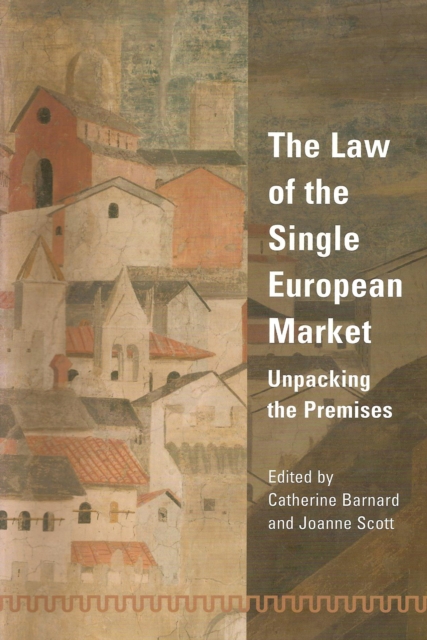
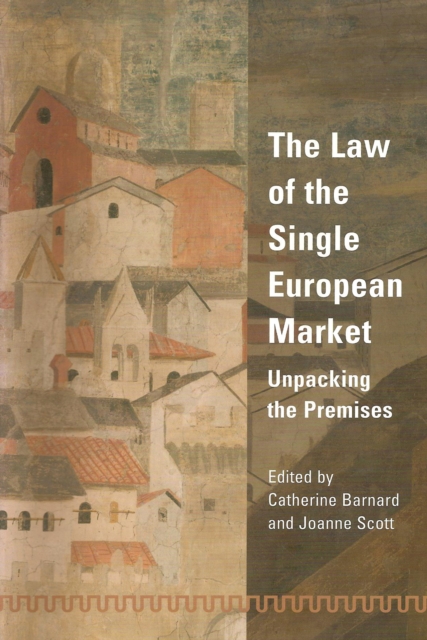
This edited collection explores the legal foundations of the single market project in Europe,and examines the legal concepts and constructs which underpin its operation.
After the completion of the Uruguay Round and the adoption of the 1994 agreement establishing the WTO,the place of international trade in the context of the international legal order has radically changed.
This book presents a comprehensive survey of Chinese legal and regulatory systems governing international trade following China's accession to the World Trade Organisation (WTO) and the coming into force of the revised PRC Foreign Trade Law.
In quantity and importance, private standards are rapidly taking over the role of public norms in the international and national regulation of product safety.
This edited collection explores the legal foundations of the single market project in Europe,and examines the legal concepts and constructs which underpin its operation.
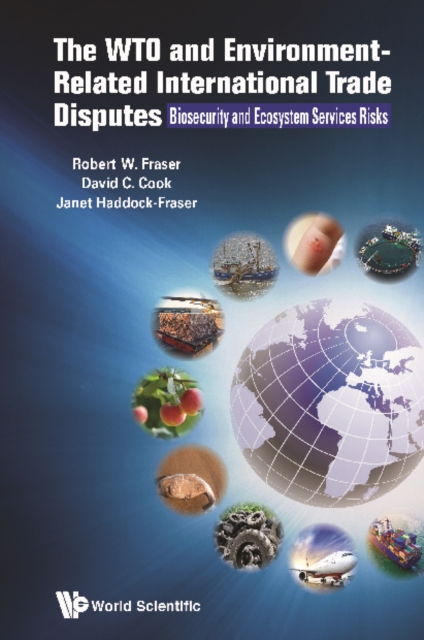
'This well-written and highly readable book makes a major contribution to advancing our understanding of the contribution that economics can make to analysing the impact of international trade policies for environmental risks .
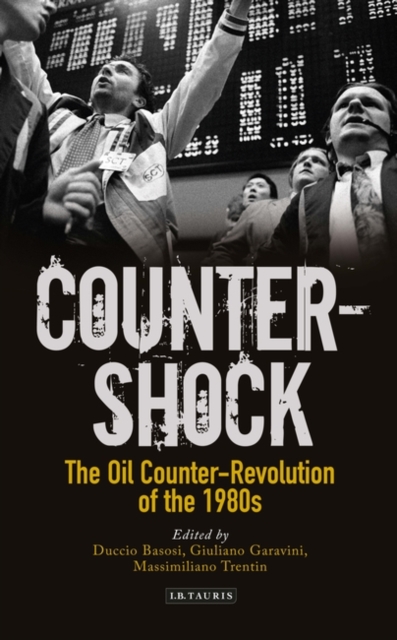
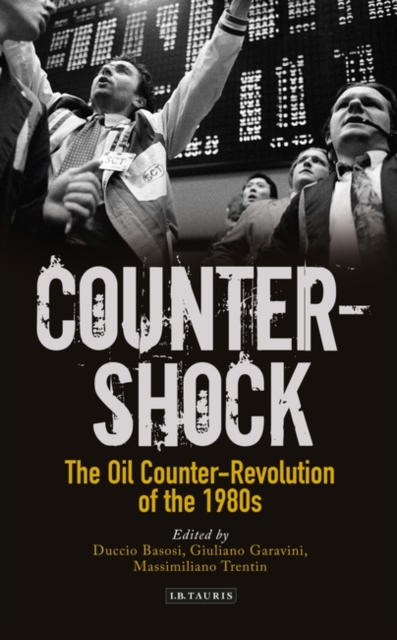
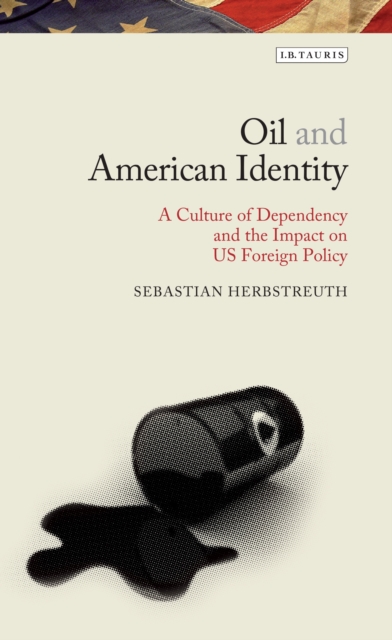
The oil price collapse of 1985-6 had momentous global consequences: non-fossil energy sources quickly became uncompetitive, the previous talk of an OPEC 'imperium' was turned upside-down, the Soviet Union lost a large portion of its external revenues, and many Third World producers saw their foreign debts peak.
The oil price collapse of 1985-6 had momentous global consequences: non-fossil energy sources quickly became uncompetitive, the previous talk of an OPEC 'imperium' was turned upside-down, the Soviet Union lost a large portion of its external revenues, and many Third World producers saw their foreign debts peak.
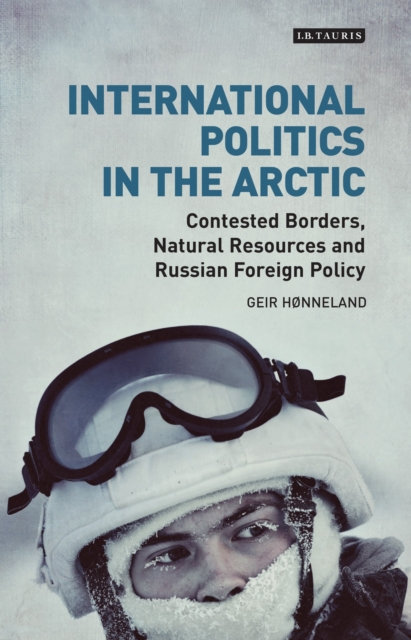
The Polar North is known to be home to large gas and oil reserves and its position holds significant trading and military advantages, yet the maritime boundaries of the region remain ill-defined.
The Polar North is known to be home to large gas and oil reserves and its position holds significant trading and military advantages, yet the maritime boundaries of the region remain ill-defined.
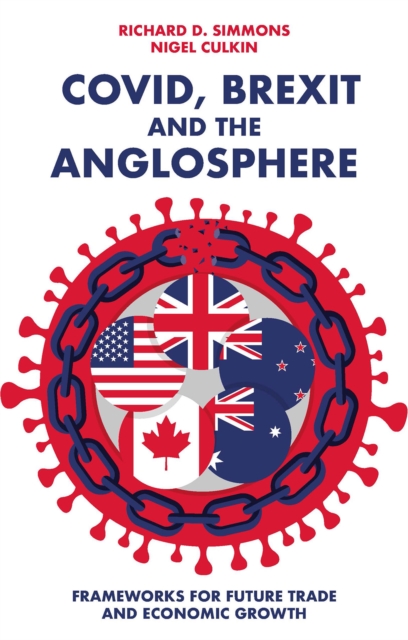
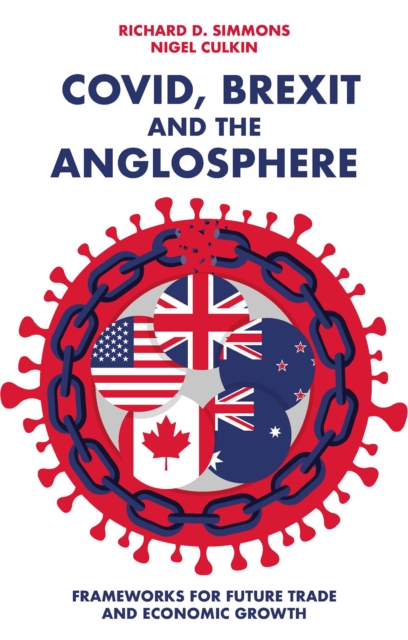
What is the role of trade to both expedite growth and to provide the transformative innovations needed in our post-Pandemic, post-Brexit, unstable world?
What is the role of trade to both expedite growth and to provide the transformative innovations needed in our post-Pandemic, post-Brexit, unstable world?
Volume 42 of Research in Economic Anthropology focuses on systemic coverage, critical rethinking, and scientific analysis of the current problems facing the world economy and international trade aiming to provide a scientific basis for learning from the COVID-19 pandemic for the global economy and international trade.
Volume 42 of Research in Economic Anthropology focuses on systemic coverage, critical rethinking, and scientific analysis of the current problems facing the world economy and international trade aiming to provide a scientific basis for learning from the COVID-19 pandemic for the global economy and international trade.
Law and economics research has had an enormous impact on the laws of contracts, torts, property, crimes, corporations, and antitrust, as well as public regulation and fundamental rights.
Law and economics research has had an enormous impact on the laws of contracts, torts, property, crimes, corporations, and antitrust, as well as public regulation and fundamental rights.
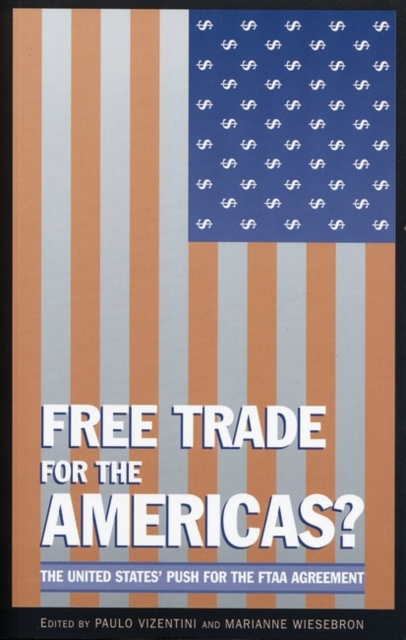
The services sector including financial services, telecommunications, transportation, tourism, and professional services has become critical to the continued economic dynamism in the Americas.
Asia and Oceania are close geographically, have complementary trade and investment opportunities, and have developed strong business relationships during recent decades.
This book delivers crucial historical background in these times, as bloc-building returns to the global economy and China and Russia massively intensify their economic cooperation.
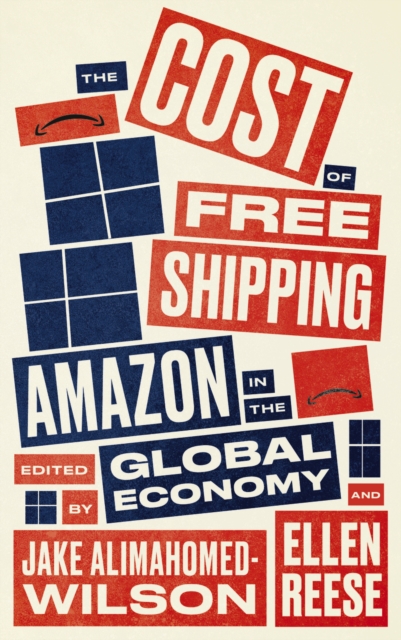
**Winner of the UALE Book Award 2021**Amazon is the most powerful corporation on the planet and its CEO, Jeff Bezos, has become the richest person in history, and one of the few people to profit from a global pandemic.
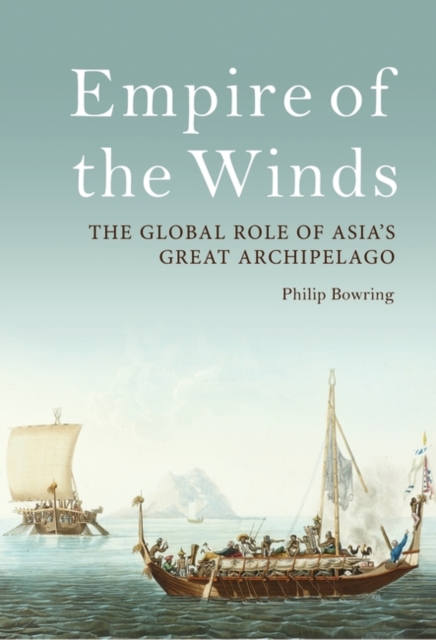
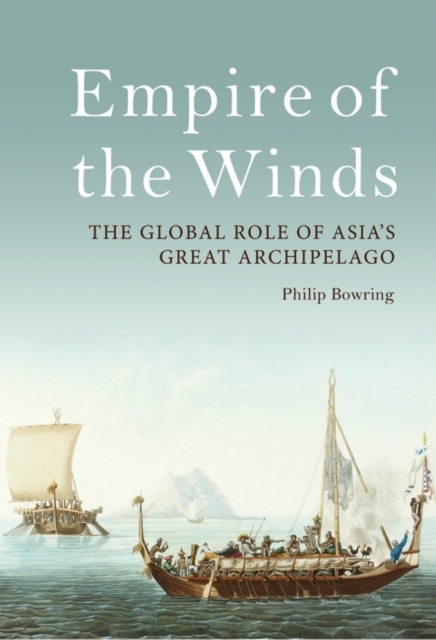
Winner of the Penang Book Prize 2019Nusantaria often referred to as 'Maritime Southeast Asia' is the world's largest archipelago and has, for centuries, been a vital cultural and trading hub.
The Polar North is known to be home to large gas and oil reserves and its positionholds signifi cant trading and military advantages, yet the maritime boundaries of the region remain ill-defined.
Winner of the Penang Book Prize 2019Nusantaria often referred to as 'Maritime Southeast Asia' is the world's largest archipelago and has, for centuries, been a vital cultural and trading hub.