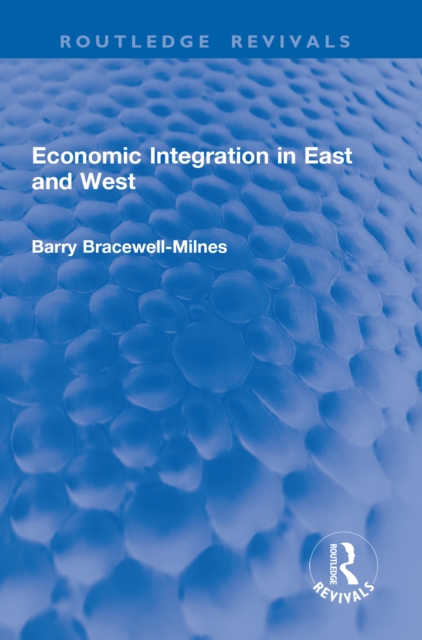
Economic Integration in East and West (1976) explores the logic of economic integration to form free trade areas and common markets, and applies the findings to the European Economic Community and Comecon, and to third countries and the world economic order in general.
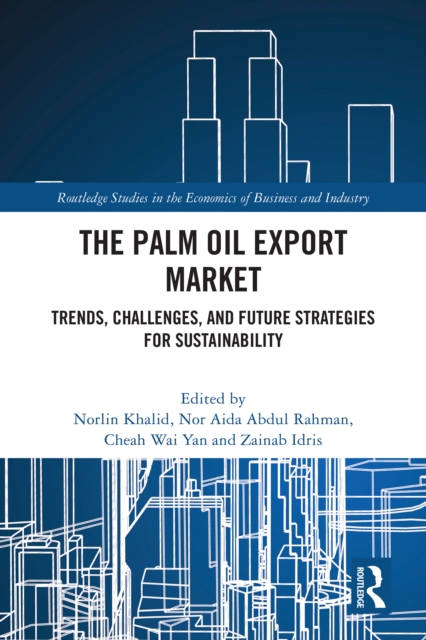
This book provides a comprehensive examination of the palm oil export market, including analysis of its current challenges and move towards sustainability.
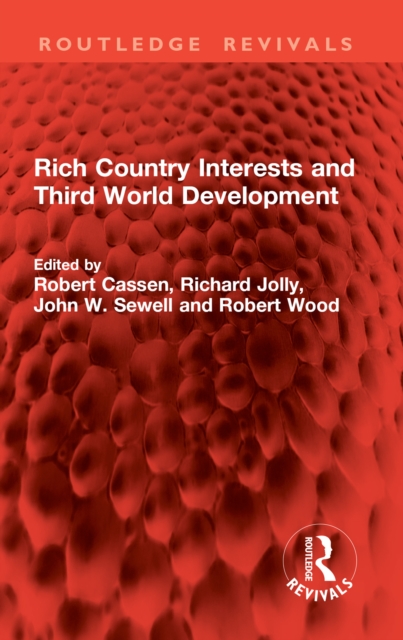
First published in 1982, Rich Country Interests and Third World Development adds breadth and specificity to the exploration of the interests in Third World development of eleven "e;rich"e; countries-the United States, Canada, Japan, Australia, the United Kingdom, the Federal Republic of Germany, The Netherlands, Denmark, Sweden, Norway, and France.
This book provides a comprehensive examination of the palm oil export market, including analysis of its current challenges and move towards sustainability.
Economic Integration in East and West (1976) explores the logic of economic integration to form free trade areas and common markets, and applies the findings to the European Economic Community and Comecon, and to third countries and the world economic order in general.
First published in 1982, Rich Country Interests and Third World Development adds breadth and specificity to the exploration of the interests in Third World development of eleven "e;rich"e; countries-the United States, Canada, Japan, Australia, the United Kingdom, the Federal Republic of Germany, The Netherlands, Denmark, Sweden, Norway, and France.
El libro Reflexiones sobre la historia argentina y su eterna agonia analiza los factores historicos, politicos, economicos y sociales que han conducido al estancamiento del pais.
Economic diplomacy is a multifaceted tool that European countries, both individually and collectively through the EU, use to promote their economic interests, enhance their global standing, and address pressing global challenges.
The New Economic Diplomacy, fifth edition, explores how states conduct their external economic relations, make domestic decisions, negotiate internationally and how these processes interact.
Originally published in 1988, this study focusses on international economic integration in relation to the passenger car industry and market in the West-European car-making countries, Germany, France, Italy, Sweden and the UK in the second half of the 20th Century when the revival of protectionism was a key feature of the international trading system.
Die notwendige Anpassung der Marketingstrategie bei der Expansion in neue Märkte: Die interviewten Experten teilen ihre Eindrücke bezüglich der Markenanpassungen in ihren jeweiligen Ländern.
India Korea Connections in the Indo Pacific presents multidimensional aspects of the Special Strategic Relationship between the Republic of Korea (ROK) and India, ranging from security, diplomacy, trade and FDI, and people to people exchanges.
India Korea Connections in the Indo Pacific presents multidimensional aspects of the Special Strategic Relationship between the Republic of Korea (ROK) and India, ranging from security, diplomacy, trade and FDI, and people to people exchanges.
This book analyses the opportunities enabled for Armenia by China's Belt and Road Initiative (BRI) in the framework of economic cooperation, policy diversification, social inclusion and regional cohesion.
This book examines PRC "e;involved"e; seaports overseas, where involvement can take the form of PRC foreign direct investment (FDI), contracting, and/or terminal operations, in countries such as Cambodia, Pakistan, and the Philippines.
This book presents a comprehensive analysis of India's relationship with the Southeast Asian nations in the context of the changing dynamics of international relations and the emergence of Indo-Pacific as the theatre of world politics.
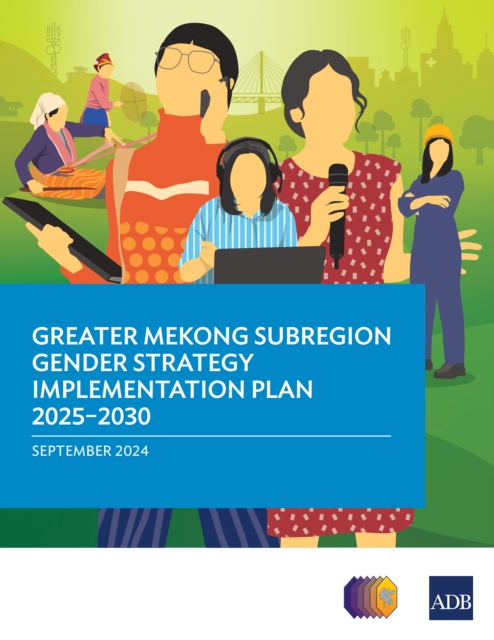
This report shows how improving gender mainstreaming via the Greater Mekong Subregion Economic Cooperation Program Strategic Framework 2030 (GMS-2030) can bolster inclusivity and ensure women benefit equally from regional cooperation initiatives.
THE BUSINESS OF PHILANTHROPY features diverse insights into the power of strategic philanthropy to inform, inspire and mobilise the next generation of social innovators in their pursuit of positive social and environmental impact.
Economic diplomacy is a multifaceted tool that European countries, both individually and collectively through the EU, use to promote their economic interests, enhance their global standing, and address pressing global challenges.
Edward Ashbee examines the globalizing processes of the past thirty years and considers the extent to which there has been "e;deglobalization"e; or "e;slowbalization"e; and the reasons for these apparent shifts.
This book analyses the opportunities enabled for Armenia by China's Belt and Road Initiative (BRI) in the framework of economic cooperation, policy diversification, social inclusion and regional cohesion.
With the US-China geostrategic competition heating up, it is an opportune time for South Korea, ASEAN and India to draw on their middle power status to bolster regional security and economic cooperation to protect their interests from any potential superpower fallout.
This book examines how power dynamics unfold during crises, focusing on how transformations in competing socio-political arenas, both domestic and international, shape power structures.
Policy Space Conflicts in Global Trade Politics delves into the structure, driving forces and contemporary influencing factors of trade relations dynamics, providing insights into the present and future trajectories of the global trade order.
This book presents a comprehensive analysis of India's relationship with the Southeast Asian nations in the context of the changing dynamics of international relations and the emergence of Indo-Pacific as the theatre of world politics.