In this volume we collected some of the papers that were presented at the RIEB (The Research Institute for Economics and Business Administration) International Conference at Kobe University on March 25 and 26, 2000.
Economic development has cyclical dynamics and long-term dynamics - the latter are typically related to demographical changes, innovation and long-term insti- tional changes in open economies.
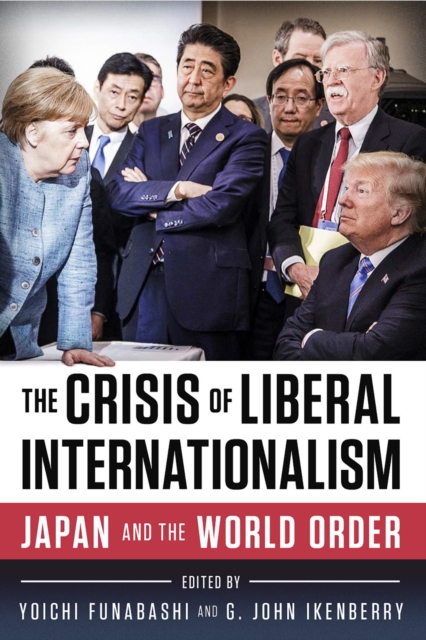
A 2020 CHOICE Outstanding Academic TitleJapan's challenges and opportunities in a new era of uncertaintyHenry Kissinger wrote a few years ago that Japan has been for seven decades ?
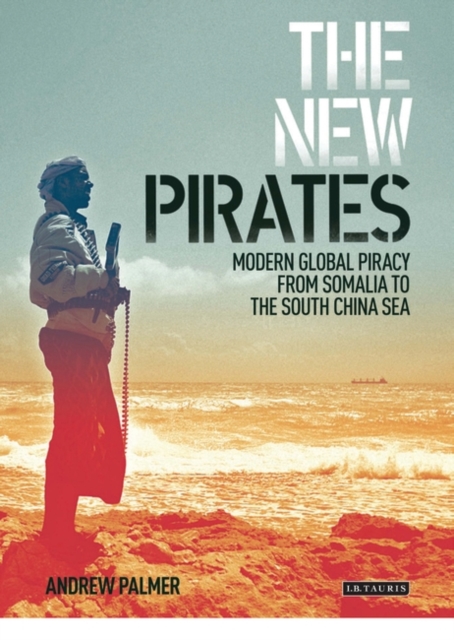
Piracy is a significant global threat to international sea-borne trade - the life-blood of modern industrial economies and vital for world economic survival.
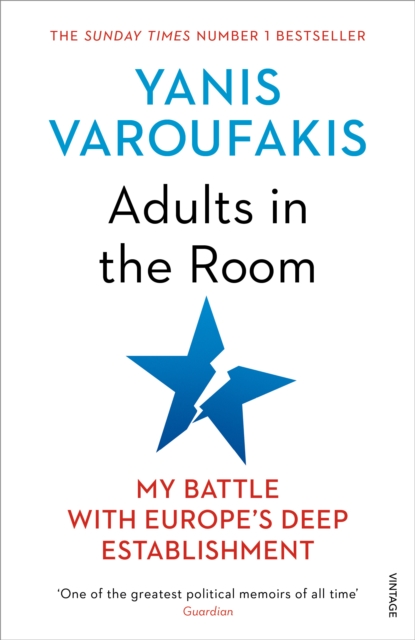
** The Sunday Times #1 Bestseller**'One of the greatest political memoirs of all time' GuardianWhat happens when you take on the European establishment?
Significant diminishment of the Arctic ice cap is propelling the advent of a new, blue water ocean and, with it, new commercial and economic opportunities.
This report of the CSIS Asia Economic Strategy Commission presents a comprehensive, bipartisan economic strategy for the United States to pursue its vital interests in the Asia-Pacific region.
The short essays in this volume, contributed by leading experts on Chinese economic policy, provide crisp and insightful analyses of the Chinese state's approach toward markets, the role of key actors and institutions, the evolving nature of industrial policy and the effectiveness of China's international commitments to constrain such practices, and a preview of the likely contents and significance of China's 13th Five-Year Plan.
As experienced by the United States, competition has played out in three distinct types of threat activity: sabotage (the destruction of capabilities), espionage (the theft of specific capabilities), and defection (the carrying of knowledge out of the country).
The Arabian Gulf is now involved in a massive arms race, triggered largely by the fear that Iran will try to use its military forces to intimidate or dominate its neighbors.
China faces increasing economic headwinds that call into question not only its near-term growth outlook but the longer-term sustainability of its economic success.
While free trade agreements and other intermediary trade agreements allow emerging nations increased access to markets, many low- and middle-income countries lack the capacity required to meet global standards.
Investor-State Dispute Settlement (ISDS) is a provision in Bilateral Investment Treaties (BITs) and other international investment agreements that allows investors to enter arbitration with states over treaty breaches.
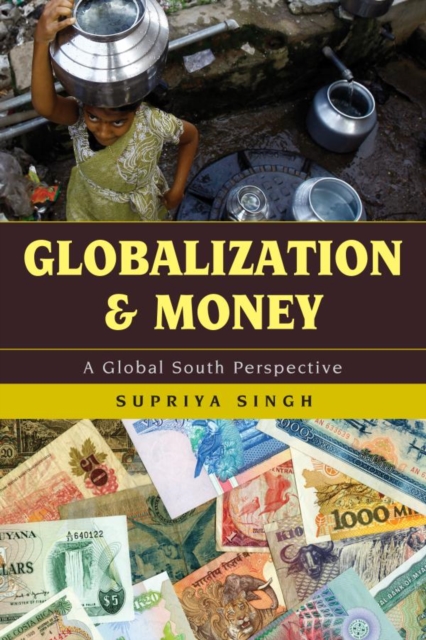
Globalization and Money explores how men and women, particularly the poor and the unbanked in the global South, use money in ways that empower themselves and their families.
In the "e;Great Game"e; of the 21st century-gaining leadership and influence in Asia-the United States is rapidly being outflanked by China, which is investing in infrastructure, connectivity, and supply chains on an unprecedented global scale.
Three times in the few years since the global financial crisis erupted, the euro has come close to extinction, endangering both the world economy and history's most ambitious project in shared sovereignty.
In December 1991 the Union of Soviet Socialist Republics born in violent revolution and dominated for more than six decades by highly authoritarian rule was dissolved by its constituent republics.
A National Bestseller * Recommended by Financial Times as "e;What to Read in 2025"e; "e;The central argument of Our Dollar, Your Problem-that the greenback's pre-eminence was never guaranteed and might plausibly be overturned-could hardly be more timely.
A National Bestseller * Recommended by Financial Times as "e;What to Read in 2025"e; "e;The central argument of Our Dollar, Your Problem-that the greenback's pre-eminence was never guaranteed and might plausibly be overturned-could hardly be more timely.
In the 21st century, most businesses participate in globalization, whether by entering new markets worldwide or dealing with competitors from around the world.
In the "e;Great Game"e; of the 21st century-gaining leadership and influence in Asia-the United States is rapidly being outflanked by China, which is investing in infrastructure, connectivity, and supply chains on an unprecedented global scale.
When it was founded back in 1944 no one could possibly have foreseen how the World Bank - known more formally as the International Bank for Reconstruction and Development (IBRD) - would flourish.
In its more than 65 years of existence, the International Monetary Fund has evolved from a small, obscure international agency, with new and uncertain responsibilities, into a powerful institution that today has assumed center stage in the international monetary system.
This comprehensive and clearly written textbook offers a long-awaited introduction to the trade policy of the European Union, the world's largest trading entity.
One World Currency presents a serious study about the need for a single stable currency with timely, historical references and skillful economic analysis by noted economist Jose Rafael Abinader.
The book is about economic developments and policies in the first decade or so after the independence of the fifteen countries that emerged from the dissolution of the Soviet Union in 1991.
From Oil to Gas and Beyond chronicles the history of the petroleum industry in Trinidad and Tobago and appraises major policy decisions impacting its economy.
The Third World cities have been reinvented by the forces of globalization as the destinations of new investments, causing the migration of a teeming million to the major urban centers without any corresponding increase in the creation of new jobs and other basic amenities required for decent living.
Public-Private Partnerships aims to discover the conditions under which public private partnerships may provide a viable alternative to the provision of public services and infrastructures by the state, while achieving efficient, sustainable, peaceful, and equitable development in four transition countries: China, Poland, Russia, and Ukraine.
A fascinating look at how coffee tied the economic future of the early United States to the wider Atlantic worldCoffee is among the most common goods traded and consumed worldwide, and so omnipresent its popularity is often taken for granted.