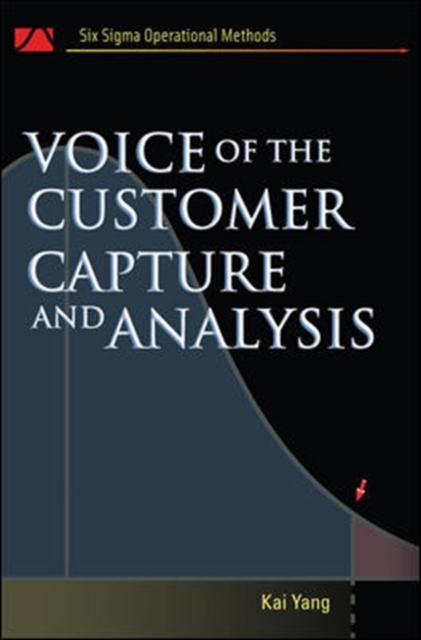
Discover All the Advantages of Using Design for Six Sigma to Develop and Build Customer Value-Based Products Voice of the Customer Capture and Analysis equips Six Sigma you with the skills needed to create and deploy surveys, capture real customers need with ethnographic methods, immediately analyze the results, and coordinate and drive responsive actions.
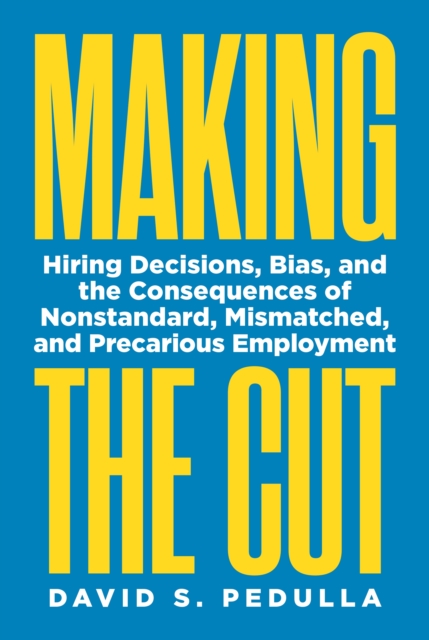
An in-depth look at how employers today perceive and evaluate job applicants with nonstandard or precarious employment historiesMillions of workers today labor in nontraditional situations involving part-time work, temporary agency employment, and skills underutilization or face the precariousness of long-term unemployment.
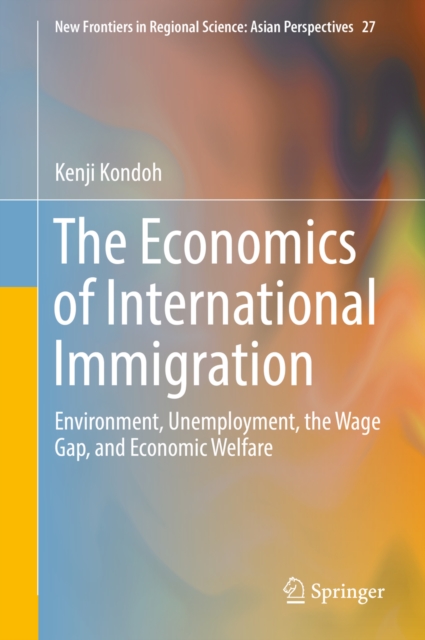
This is the first book that takes a theoretical approach to the effects of international immigration by considering the current economic topics confronted by more highly developed countries such as Japan.
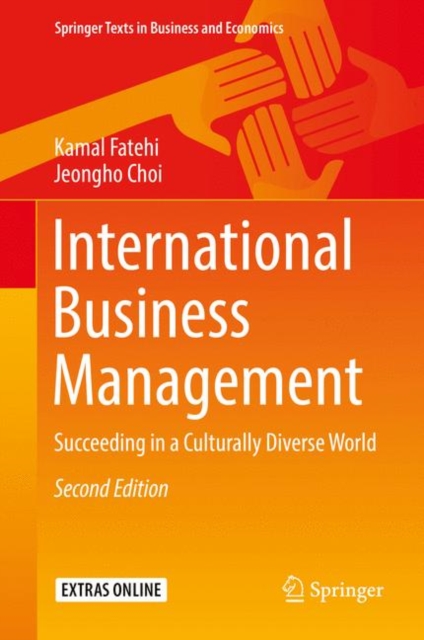
This textbook explores the theoretical and practical aspects of managing international business operations while also dealing with multi-cultural, multi-national and global issues of managing business expansion beyond the domestic market.
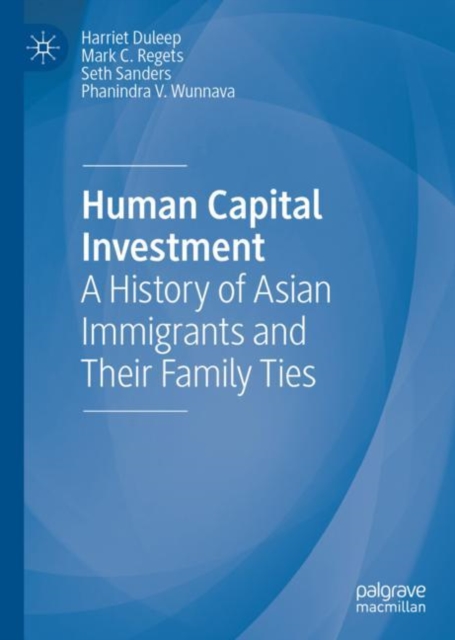
In 1965, a family-reunification policy for admitting immigrants to the United States replaced a system that chose immigrants based on their national origin.
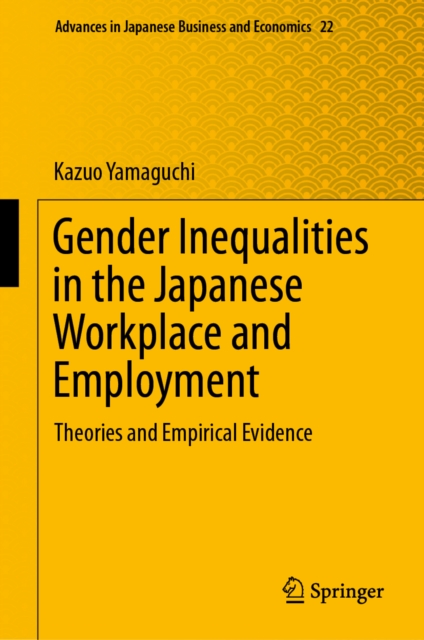
The in-depth analyses presented in this book have a dual focus: (1) Social mechanisms through which the gender wage gap, gender inequality in the attainment of managerial positions, and gender segregation of occupations are generated in Japan; and (2) Assessments of the effects of firms' gender-egalitarian personnel policies and work-life balance promotion policies on the gender wage gap and the firms' productivity.
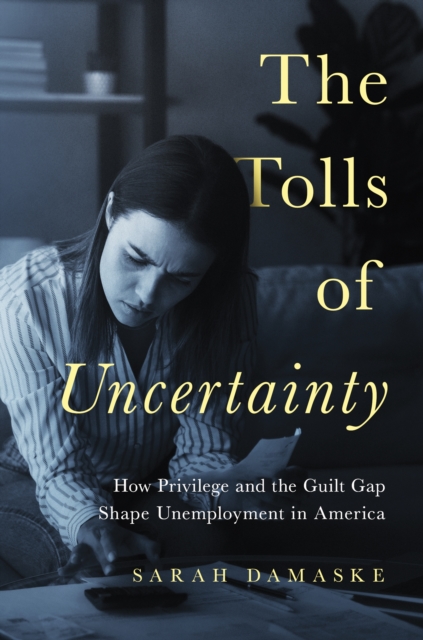
An indispensable investigation into the American unemployment system and the ways gender and class affect the lives of those looking for workThrough the intimate stories of those seeking work, The Tolls of Uncertainty offers a startling look at the nation's unemployment system-who it helps, who it hurts, and what, if anything, we can do to make it fair.
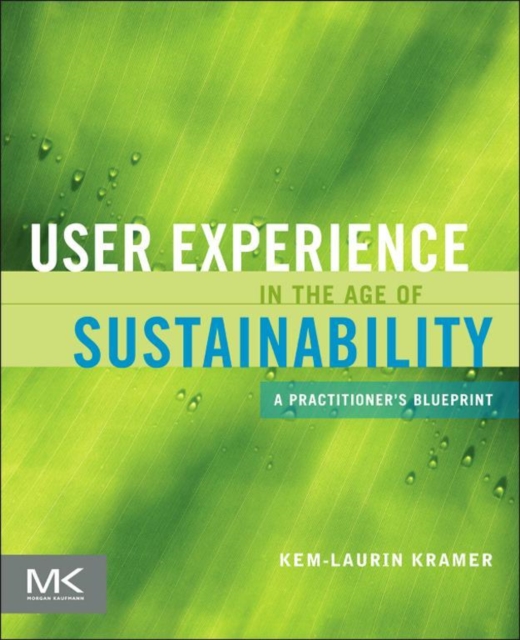
User Experience in the Age of Sustainability focuses on the economic, sociological and environmental movement in business to make all products including digital ones more sustainable.
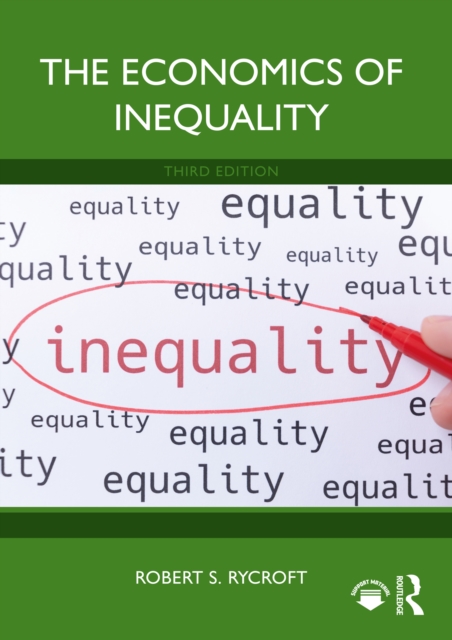
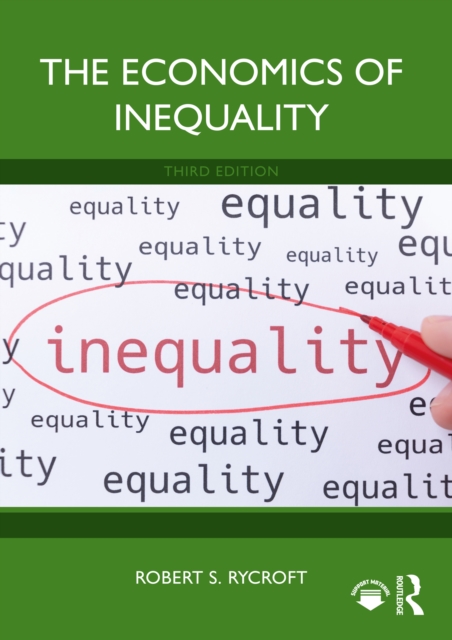
If there was any question before, there is no longer a question today: inequality, discrimination, poverty, and mobility are prominent national issues.
If there was any question before, there is no longer a question today: inequality, discrimination, poverty, and mobility are prominent national issues.
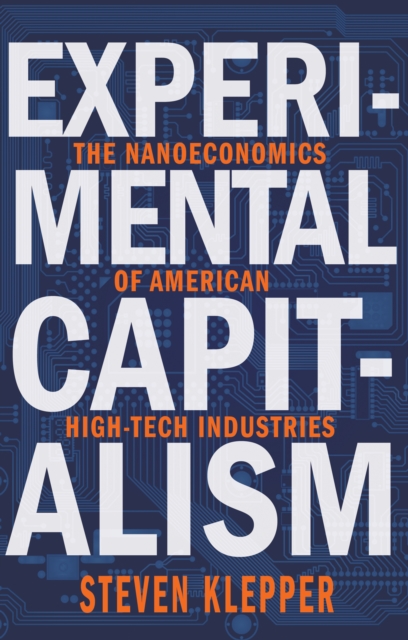
How American industries rose to dominate the economic landscape in the twentieth centuryFor much of the twentieth century, American corporations led the world in terms of technological progress.
A guide to product management exploring the best practices: identifying the impact-driven product, planning for success, setting up and measuring time-bound metrics, and developing a lean product roadmap.
This book takes as a starting point that welfare states in developed societies do not provide systems of social insurance against the risk of an early death.
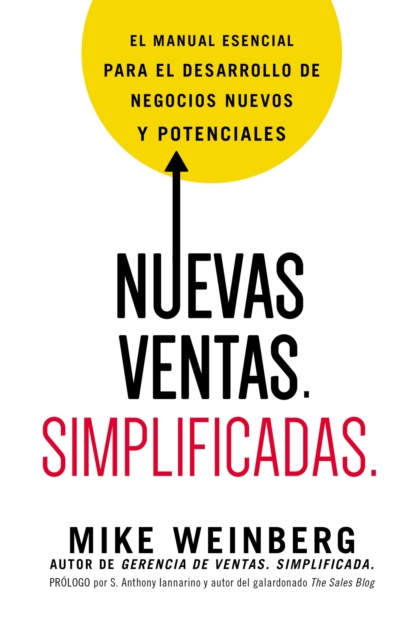
Lleno de consejos prácticos y motivación para todo profesional de ventas, Zig Ziglar Ventas es una completa guía de referencia para cualquier profesional en este campo.
Volume 20 of "e;Research in Social Stratification and Mobility"e; continues to remain at the forefront of the diverse group of social scientists who study social inequality and is now the official publication of the Social Stratification Research Group of the International Sociological Association (RC-28).
Updated for a post-Covid world, the second edition of this groundbreaking book explains why becoming a Humachine enterprise is the only way forward for a company to maintain a competitive advantage in the age of artificial intelligence (AI).
Updated for a post-Covid world, the second edition of this groundbreaking book explains why becoming a Humachine enterprise is the only way forward for a company to maintain a competitive advantage in the age of artificial intelligence (AI).
This book presents the economic heartbeat and institutional details that shaped Athenian society during the Classical period (508-323 BCE), employing an innovative and outside-the-box approach to studying history.
This book helps to bridge the knowledge gap that currently surrounds space technology and its method of exploration and highlights much-needed awareness and attention to an increase in Space Law and sustainable measures.
Bringing together informed analyses on the challenges of critical skill shortages (CSS) in the Asia-Pacific region, this book provides 14 country reports to discuss the critical jobs and skills to achieve long-term policies and approaches towards realising the United Nations sustainable development goals (SDGs).
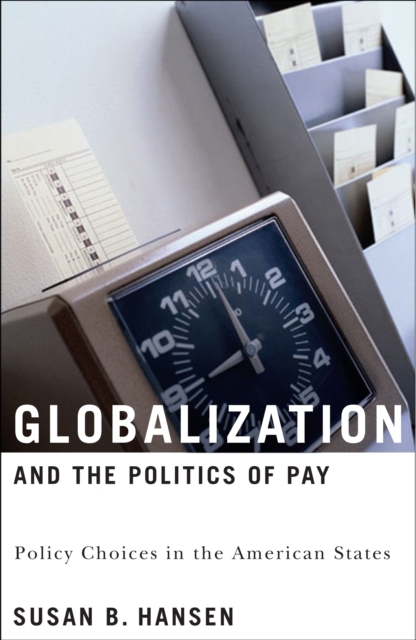
Globalization, the return to a multi-party system of government, and the policies advocated by the IMF and the World Bank have led to near revolutionary labor relations in Ghana.
The main challenge related to the development of artificial intelligence (AI) is to establish harmonious human-AI relations, necessary for the proper use of its potential.
Focusing on the business implications of green innovation, this book describes the sheer impact, spread, and opportunities arising every day, and how business leaders can implement green innovative practices today to realize tangible as well as intangible business advantages in the future.