In an era where evidence-based policymaking defines the credibility of governance, Value of Statistical Life in India offers a landmark contribution to the economics of risk, labour welfare, and regulatory design.
En esta obra se explica el proceso completo de creación de una empresa, desde la génesis de la idea de negocio hasta su constitución y puesta en marcha.
Dependent self-employment is widely perceived as a rapidly growing form of precarious work conducted by marginalised lower-skilled workers subcontracted by large corporations.
Learn to harness your leadership power, take a stand on meaningful issues, and leverage your distinctive capacity for building inclusivity and community.
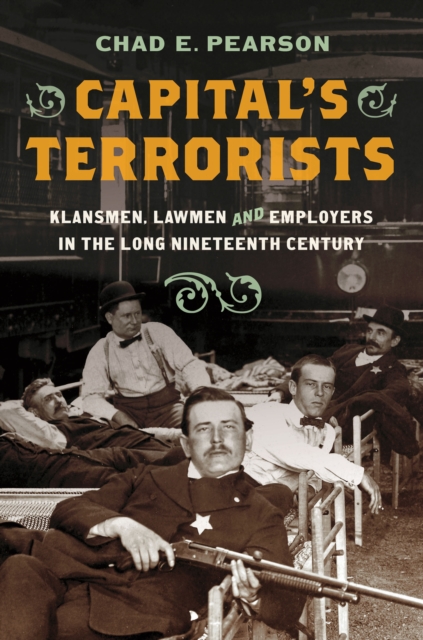
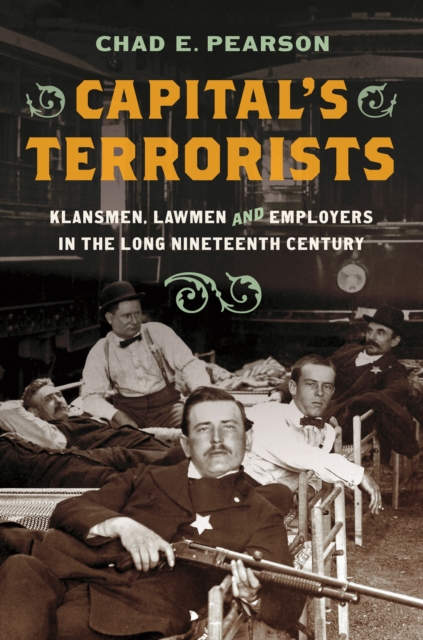
Through the late nineteenth and early twentieth centuries, employers and powerful individuals deployed a variety of tactics to control ordinary people as they sought to secure power in and out of workplaces.
Through the late nineteenth and early twentieth centuries, employers and powerful individuals deployed a variety of tactics to control ordinary people as they sought to secure power in and out of workplaces.
Modern supply chains operate in conditions of increasing complexity and uncertainty, resulting from both dynamic technological changes and increasing regulatory requirements.
En esta obra se recoge una colección de doscientos cincuenta problemas de Economía de la Empresa, resueltos íntegramente o con solución, y una batería de doscientas diez preguntas tipo test para autoevaluación.
The essential anthology on the most effective ways to organize a labor movement for environmental justice, from leading organizers in the fieldThe corporate elite have long pitted climate and labor movements against each other through a "e;jobs vs.
The essential anthology on the most effective ways to organize a labor movement for environmental justice, from leading organizers in the fieldThe corporate elite have long pitted climate and labor movements against each other through a "e;jobs vs.
High unemployment rates in the period of an internationalization of economies and an intensified technological competition are the main problems that exist in most EU countries.
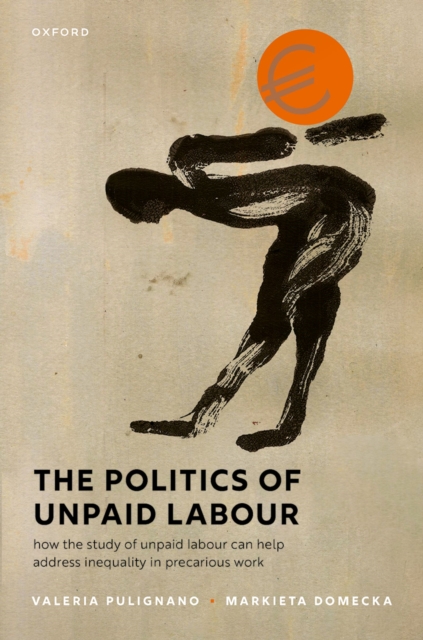
The Politics of Unpaid Labour introduces the theory of the politics of unpaid labour to advance understanding of inequality within the context of precarious work.
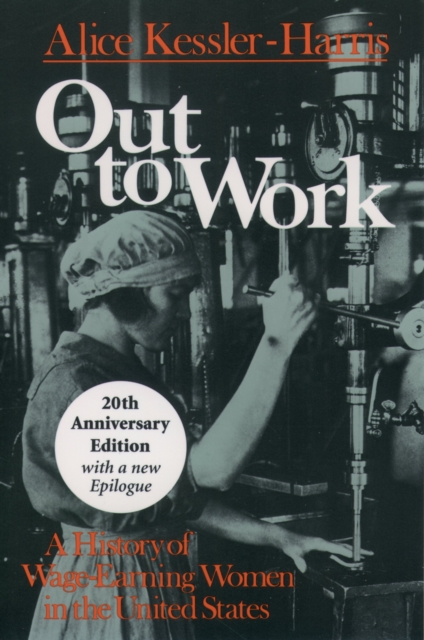
First published in 1982, this pioneering work traces the transformation of "e;women's work"e; into wage labor in the United States, identifying the social, economic, and ideological forces that have shaped our expectations of what women do.
Although the political and military aspects of great-power diplomacy in Eastern Europe during the interwar period have been studied extensively, the economic aspects have been relatively neglected.
This volume contains revised versions of the papers presented in 1971 at the Princeton University Conference on Discrimination in Labor Markets, and the formal discussions of them.
This comprehensive and detailed analysis of the factors that determine who is in the labor force in the United States is equally interesting for the light it sheds on what people are not working or seeking work-and why they are not.
This thought-provoking study of academic job markets over the next quarter century uses rigorous analysis to project substantial excess demand for faculty starting in the 1997-2002 period.
From 1965 to 2005, the United Teachers of New Orleans (UTNO) defied the Souths conservative anti-union efforts to become the largest local in Louisiana.
China's Transition to Industrialism studies the history and development of a group of industries which have played key roles in China's recent economic gains.
China's Transition to Industrialism studies the history and development of a group of industries which have played key roles in China's recent economic gains.
Skilled workers of the early nineteenth century enjoyed a degree of professional independence because workplace knowledge and technical skill were their property, or at least their attribute.
For eight days in March 1970, over 200,000 postal workers staged an illegal “wildcat” strike — the largest in United States history — for better wages and working conditions.
The introduction of new medicines has dramatically improved the quantity and quality of individual and public health while contributing trillions of dollars to the global economy.
Cybernetic System Design for a Complex World has profound implications for leaders and decision-makers in any sector struggling to achieve clarity and agency in today's complex and dynamic world.
Cybernetic System Design for a Complex World has profound implications for leaders and decision-makers in any sector struggling to achieve clarity and agency in today's complex and dynamic world.
Through the late nineteenth and early twentieth centuries, employers and powerful individuals deployed a variety of tactics to control ordinary people as they sought to secure power in and out of workplaces.
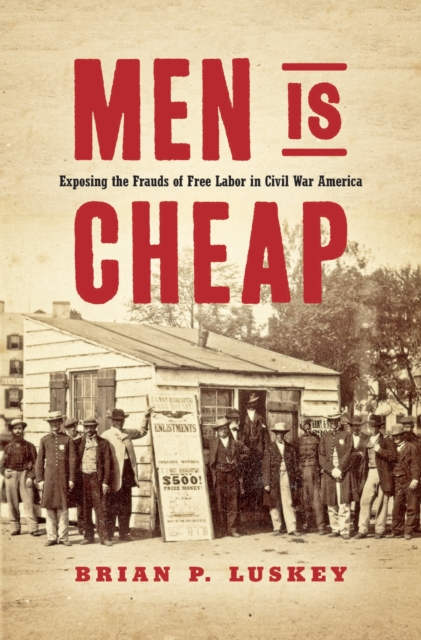
When a Civil War substitute broker told business associates that Men is cheep here to Day, he exposed an unsettling contradiction at the heart of the Unions war effort.