The development of industrialization and its effect on the international division of labour is here considered first in terms of economic theory, and then by means of a case study of Finland, representing a semi-peripheral economy in the global economic system.
The book covers the vocational training and employment of young workers in various European and North American advanced economies; the forms taken by regulation of youth economic activity and the effects of its deregulation; training systems, training policies and access to skilled work in various paired-country comparisons; and the links between trade unions and young workers in two country-specific case-studies.
A collection of papers which analyzes and measures unemployment as a search activity, discusses efficiency wage models and which considers the impact of government and unions on employment and unemployment.
Part of a series of books based on papers delivered at the annual UMIST-Aston conference, combined with specially commissioned contributions, this text examines the labour process, focusing on the white-collar/non-manual sector of the work force.
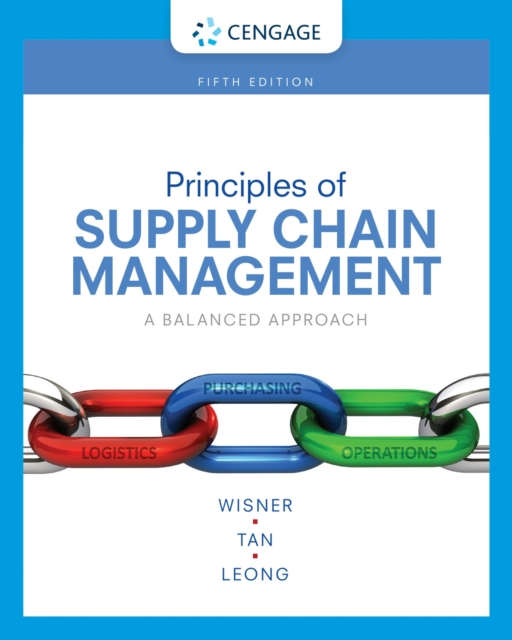
Examine the latest practices, trends, and emerging developments as PRINCIPLES OF SUPPLY CHAIN MANAGEMENT: A BALANCED APPROACH, 5E guides you step-by-step through the management of all supply chain activity.
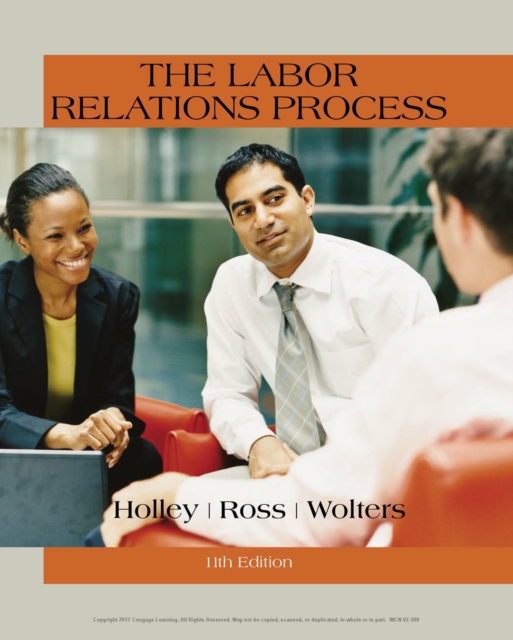
As globally recognized arbitration experts, the authors of THE LABOR RELATIONS PROCESS bring nearly a century of combined experience with the labor movement, labor relations, and collective bargaining to this popular text.
The nature of globalization and the fallout from the international financial crisis have brought profound changes to societies and economies around the world.
The nature of globalization and the fallout from the international financial crisis have brought profound changes to societies and economies around the world.
Economic restructuring has been a notable feature of so-called mature industrial economies such as the UK and Australia in the last two decades, with deregulation, privatisation, technological change and globalisation combining to reshape such economies.
Economic restructuring has been a notable feature of so-called mature industrial economies such as the UK and Australia in the last two decades, with deregulation, privatisation, technological change and globalisation combining to reshape such economies.