Advocated (and attacked) by commentators across the political spectrum, paying every citizen a basic income regardless of their circumstances sounds utopian.
This book sets out to unravel and explain the puzzle of the global rise of China: how, in just forty years, China has been quickly transformed from a poor, backward third-world country to one of the world s core economic powerhouses.
In this essential exploration of the American heartland, Kayleigh McEnany presents an eye-opening collection of interviews and stories about the powerful grassroots populist movement of frustrated Americans left behind by the government that changed the landscape of political campaigns foreverKayleigh McEnany spent months traveling throughout the United States, conducting interviews with citizens whose powerful and moving stories were forgotten or intentionally ignored by our leaders.
Finally, the truth from a Washington insider: An audacious and desperately needed primer on how Americas Ruling Class have upended the Constitution and taken over our countryand how we must unite to regain control of our liberty.
Windfall is the boldest profile of the world's energy resources since Daniel Yergin's The Quest, asserting that the new energy abundancedue to oil and gas resources once deemed too expensiveis transforming the geo-political order and is boosting American power.
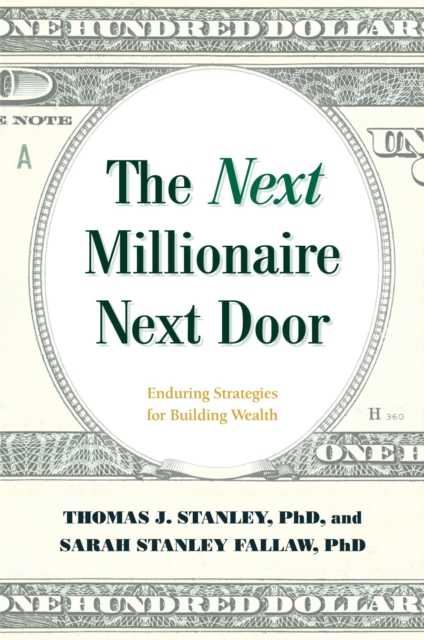
Over the past 40 years, Tom Stanley and his daughter Sarah Stanley Fallaw have been involved in research examining how self-made, economically successful Americans became that way.
'Cottam is the humane revolutionary our turbulent century needs - and this book our roadmap to a better future' JONATHAN FREEDLAND, author of THE ESCAPE ARTIST'Highly recommend - practical and full of human wisdom' FINANCIAL TIMES'Brimming with ideas to transform the future' KATE RAWORTH, author of DOUGHNUT ECONOMICSWe can create a work revolution.
Political risk - the probability that a political action could significantly affect an organisation - is changing fast, and it's more widespread than ever before.
This is your go-to guide to politicsAs the UK gears up for a snap general election on the back of a hotly contested and divisive referendum, there has never been a better time to discover more about politics and how it works.
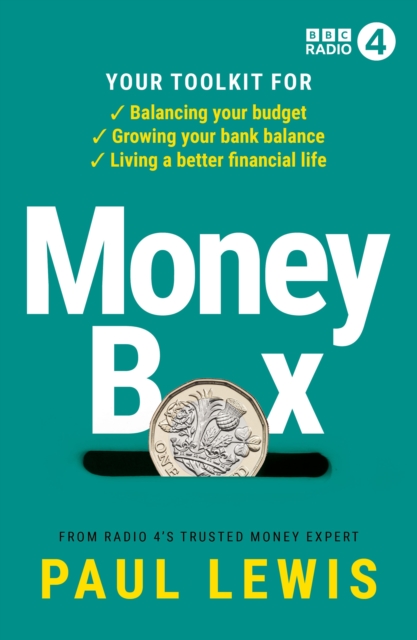
'Everyone will find something they didn't know in this unexpectedly funny womb-to-tomb guide to looking after your money in Britain today - the laws, the loopholes, the pitfalls, and who to call if it all goes wrong' - The TelegraphManage your money, manage your life.
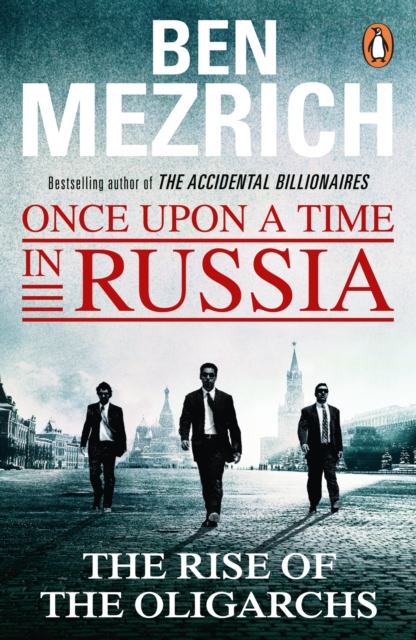
A gripping and shocking insight into Russia's most influential oligarchs, including Roman Abramovich and Boris Berezovsky, from New York Times bestselling author of The Accidental Billionaires.
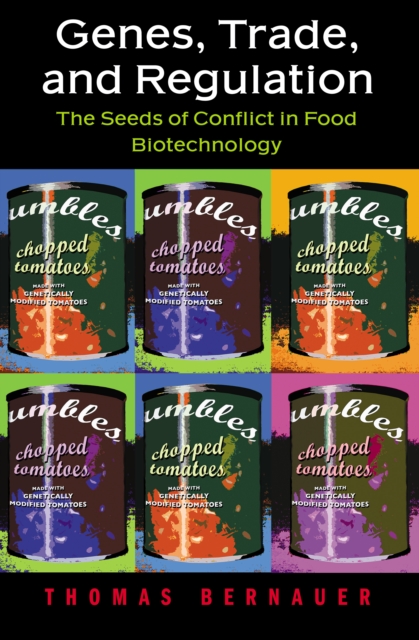
Agricultural (or "e;green"e;) biotechnology is a source of growing tensions in the global trading system, particularly between the United States and the European Union.
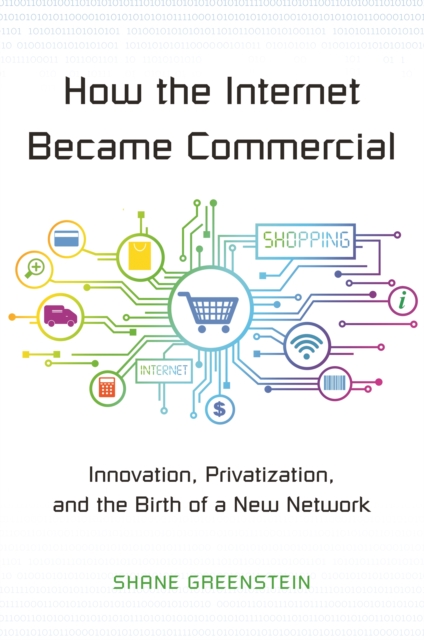
In less than a decade, the Internet went from being a series of loosely connected networks used by universities and the military to the powerful commercial engine it is today.
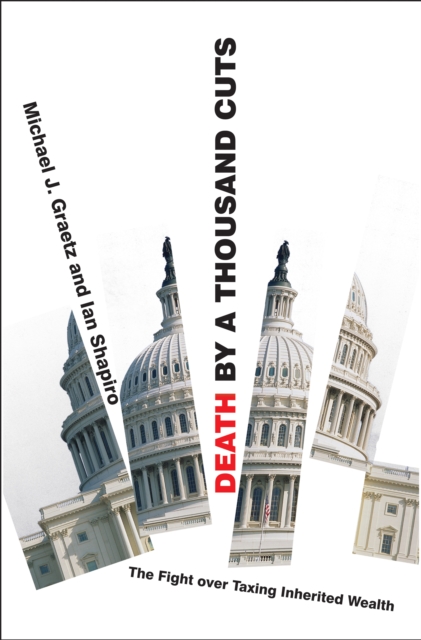
This fast-paced book by Yale professors Michael Graetz and Ian Shapiro unravels the following mystery: How is it that the estate tax, which has been on the books continuously since 1916 and is paid by only the wealthiest two percent of Americans, was repealed in 2001 with broad bipartisan support?
WITH NEW AND UPDATED MATERIALBillionaire Warren Buffet, currently the third wealthiest man in the world, paid the lowest rate of tax among his office staff, including his receptionist.
In THE LOST CONTINENT BBC Europe Editor Gavin Hewitt tells the story of a flawed dream, a noble vision that turned dangerous, and which led Europe into its gravest crisis since World War Two - a crisis for which it was totally unprepared.
Over the last decade, political economy has grown rapidly as a specialist area of research and teaching within communications and media studies and is now established as a core element in university programmes around the world.
Over the last decade, political economy has grown rapidly as a specialist area of research and teaching within communications and media studies and is now established as a core element in university programmes around the world.
The Wiley-Blackwell Companion to Economic Geography presents students and researchers with a comprehensive overview of the field, put together by a prestigious editorial team, with contributions from an international cast of prominent scholars.
The Wiley-Blackwell Companion to Economic Geography presents students and researchers with a comprehensive overview of the field, put together by a prestigious editorial team, with contributions from an international cast of prominent scholars.
Subprime Cities: The Political Economy of Mortgage Markets presents a collection of works from social scientists that offer insights into mortgage markets and the causes, effects, and aftermath of the recent 'subprime' mortgage crisis.
Subprime Cities: The Political Economy of Mortgage Markets presents a collection of works from social scientists that offer insights into mortgage markets and the causes, effects, and aftermath of the recent 'subprime' mortgage crisis.
Now featuring a new preface by Peter Thiel Two renowned investment advisors and authors of the bestseller The Great Reckoning bring to light both currents of disaster and the potential for prosperity and renewal in the face of radical changes in human history as we move into the next century.