Fachbuch aus dem Jahr 2024 im Fachbereich BWL - Wirtschaftspolitik, , Sprache: Deutsch, Abstract: Die Inflation ist ein wesentlicher wirtschaftlicher Faktor, der Auswirkungen auf verschiedene Bereiche einer Gesellschaft haben kann.
Studienarbeit aus dem Jahr 2024 im Fachbereich BWL - Wirtschaftspolitik, Addis Ababa University (Business and Economics), Veranstaltung: The role of Non state Development Actors: Local and International Actors, Sprache: Deutsch, Abstract: Ethiopia is launched homegrown economic development plan and implementing 10 years development plan since 2021.
La presente obra trata el trabajo desde la perspectiva de la economía política: la rama "heterodoxa" de la economía por cuanto centra su análisis, en vez de en el mercado y la competencia, en el trabajador y sus problemas con el capitalismo global, el empresario, los modos de producción, el mercado laboral, etc.
This monograph investigates, from a distinctive philosophical perspective informed by pragmatism, the relation between the transcendental and the transcendent.
This monograph investigates, from a distinctive philosophical perspective informed by pragmatism, the relation between the transcendental and the transcendent.
This book provides deep scientific analysis into the almost unexplored realm of the right to energy with this groundbreaking research, addressing the scattered theoretical-legal foundations within modern legal doctrine.
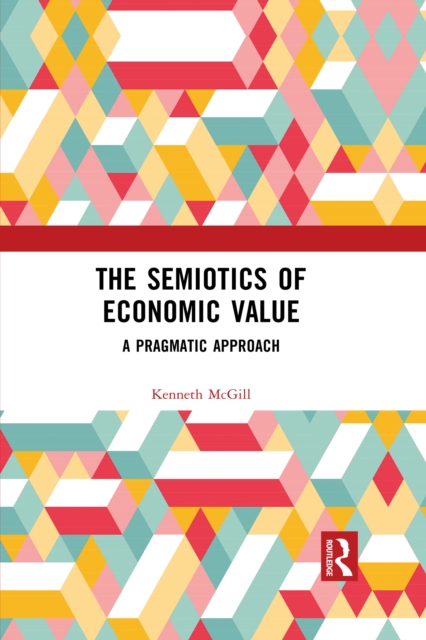
This book describes economic value as a representational phenomenon and considers what is involved when people represent value to themselves and to others.
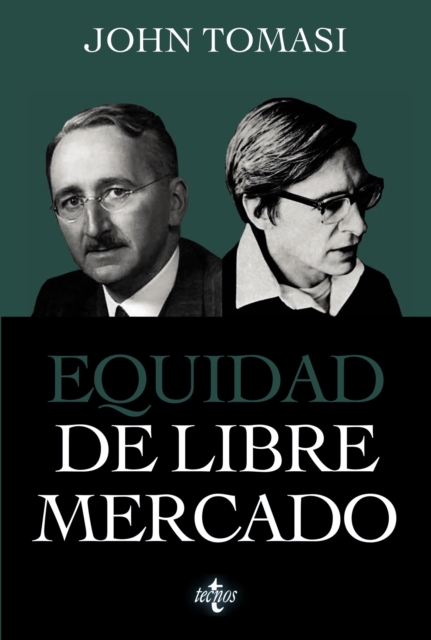
En este libro, John Tomasi se propone crear un nuevo marco teórico que reconcilia rasgos de dos modelos económicos tradicionalmente considerados incompatibles, como son el liberal clásico -o "liberal de derechas"- y el socioliberal -o "liberal de izquierdas"-.
This book describes economic value as a representational phenomenon and considers what is involved when people represent value to themselves and to others.
This book provides deep scientific analysis into the almost unexplored realm of the right to energy with this groundbreaking research, addressing the scattered theoretical-legal foundations within modern legal doctrine.
Essay aus dem Jahr 2020 im Fachbereich BWL - Wirtschaftspolitik, FOM Hochschule für Oekonomie & Management gemeinnützige GmbH, Frankfurt früher Fachhochschule, Sprache: Deutsch, Abstract: Die Zielsetzung dieser wissenschaftlichen Arbeit ist es darzulegen, welche Herausforderungen der Brexit für die EU und Deutschland haben wird.
Essay aus dem Jahr 2020 im Fachbereich BWL - Wirtschaftspolitik, FOM Hochschule für Oekonomie & Management gemeinnützige GmbH, Frankfurt früher Fachhochschule, Sprache: Deutsch, Abstract: Ziel dieser wissenschaftlichen Arbeit ist es darzulegen, welche Chancen und Risiken der Protektionismus unter Donald Trump für die USA hat.
Studienarbeit aus dem Jahr 2021 im Fachbereich BWL - Wirtschaftspolitik, Note: 1,00, Hochschule Osnabrück, Sprache: Deutsch, Abstract: Diese vergleichende Hausarbeit beschäftigt sich mit der Entwicklung der Mietpreise im Vergleich zu den Ausgaben für Nahrungsmittel seit 2000.
In einer regnerischen Nacht, während das Trommeln der Tropfen auf das Fenster wie ein sanfter Jazzklang meine Gedanken erfüllte, fand ich mich inmitten von Zahlen, Diagrammen und endlosen Fragen wieder.
The explosive story of the biggest mistakes in US history from White House insider turned host of hit podcast The Rest Is Politics: US, Anthony Scaramucci Essential reading ALASTAIR CAMPBELL & RORY STEWART This is the Mooch at his most thoughtful and wise EMILY MAITLIS'Anthony Scaramucci lasted 11 short days in The White House.
Studienarbeit aus dem Jahr 2020 im Fachbereich BWL - Wirtschaftspolitik, Note: 1,0, (IU Internationale Hochschule), Sprache: Deutsch, Abstract: In dieser Arbeit werden mögliche Bedrohungen der kritischen Infrastruktur diskutiert und verschiedene Konzepte für den Schutz sowie Abwehrmaßnahmen zur Sicherstellung der kritischen Infrastrukturen in der Bundesrepublik Deutschland vorgestellt.
Masterarbeit aus dem Jahr 2021 im Fachbereich BWL - Wirtschaftspolitik, Note: 1,5, International School Of Management, Standort Frankfurt, Sprache: Deutsch, Abstract: Diese Arbeit setzt sich mit finanzieller Repression als auch fiskalischer Dominanz in Europa auseinander.
Fachbuch aus dem Jahr 2021 im Fachbereich BWL - Investition und Finanzierung, , Sprache: Deutsch, Abstract: Die Schere zwischen Arm und Reich driftet in Deutschland immer weiter auseinander.
Studienarbeit aus dem Jahr 2020 im Fachbereich BWL - Wirtschaftspolitik, Note: 1,0, Carl von Ossietzky Universität Oldenburg (Institut für Ökonomische Bildung), Sprache: Deutsch, Abstract: Diese Arbeit behandelt die Frage, inwiefern die neue Seidenstraße eine Gefahr für die wirtschaftliche Supermacht USA darstellt.
Studienarbeit aus dem Jahr 2020 im Fachbereich BWL - Wirtschaftspolitik, Note: 1,3, Leuphana Universität Lüneburg (Hochschule), Sprache: Deutsch, Abstract: Inwieweit unterscheidet sich der Bitcoin beispielsweise zum Euro und wäre es sogar möglich, dass der Bitcoin in naher Zukunft als universelles Zahlungsmittel dienen kann und somit das Bargeld wie wir es kennen, ablöst?
Centered on Algeria, Morocco, and Tunisia, this book interrogates the complex entanglements between extractivism, state power, class formation, and geopolitical reorientation in North Africa.
Centered on Algeria, Morocco, and Tunisia, this book interrogates the complex entanglements between extractivism, state power, class formation, and geopolitical reorientation in North Africa.
In einer Welt, in der Finanzstrukturen überwiegend von männlichen Perspektiven geprägt sind, zeigt "Geld ist weiblich" auf, warum Frauen eine eigene, maßgeschneiderte Finanzstrategie benötigen.
Wissenschaftlicher Aufsatz aus dem Jahr 2020 im Fachbereich BWL - Wirtschaftspolitik, Note: 2,0, Carl von Ossietzky Universität Oldenburg (Institut für Sozialwissenschaften), Veranstaltung: Politik im Mehrebenensystem, Sprache: Deutsch, Abstract: In den letzten Jahrzehnten taten sich immer mehr Problemfelder der Umweltpolitik auf.
Despite the role of shadow banking in the building up of the 2008 international financial crisis, the massive size of this sector, its cross-border nature, and the risks it entails for financial stability, the post-crisis regulation of shadow banking has remained rather feeble.
Despite the role of shadow banking in the building up of the 2008 international financial crisis, the massive size of this sector, its cross-border nature, and the risks it entails for financial stability, the post-crisis regulation of shadow banking has remained rather feeble.
This book offers a deep exploration of recent rural land reform within China, focusing on how a central-initiated policy experimentation has played out at the county-level.
This book offers a deep exploration of recent rural land reform within China, focusing on how a central-initiated policy experimentation has played out at the county-level.
This book explores the role of architectural design in Colombia’s peacebuilding process following the 2016 Peace Agreement between the national government and the FARC-EP guerrilla.
This book explores the role of architectural design in Colombia’s peacebuilding process following the 2016 Peace Agreement between the national government and the FARC-EP guerrilla.