A practical, easy-to-follow guide to understanding and responding to Australian economic trends How does the fall in the Dow Jones or the rise in the Chinese yuan impact your personal finances?
A practical, easy-to-follow guide to understanding and responding to Australian economic trends How does the fall in the Dow Jones or the rise in the Chinese yuan impact your personal finances?
In The Shifts and the Shocks, Martin Wolf - one of the world's most influential economic commentators and author of Why Globalization Works - presents his controversial and highly original analysis of the economic course of the last seven yearsThere have been many books that have sought to explain the causes and courses of the financial and economic crisis which began in 2007-8.
Untangle the jargon and understand how you're involved in everyday economics If you want to get to grips with the basics of economics and understand a subject that affects British citizens on a daily basis, then look no further than Economics For Dummies.
Untangle the jargon and understand how you're involved in everyday economics If you want to get to grips with the basics of economics and understand a subject that affects British citizens on a daily basis, then look no further than Economics For Dummies.
From the rule-breaking authors of international bestsellers Freakonomics and Superfreakonomics, this is the ultimate guide to how to Think Like a FreakThe Freakonomics books have come to stand for something: challenging conventional wisdom; using data rather than emotion to answer questions; and learning to unravel the world's secret codes.
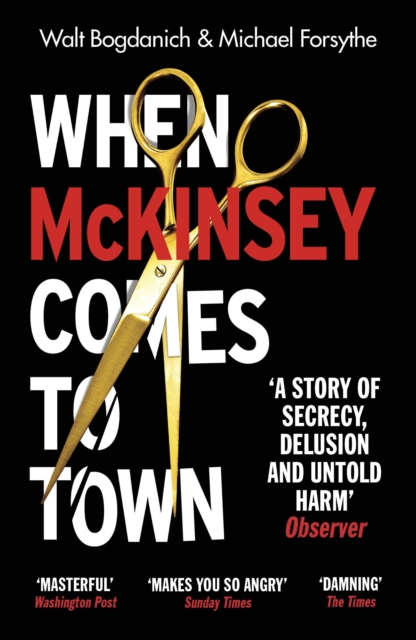
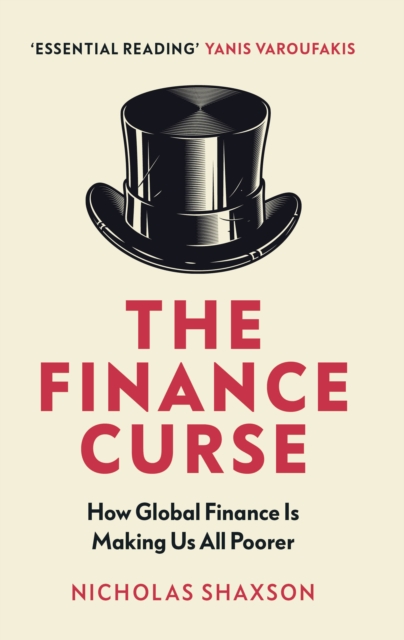
**A TIMES AND NEW YORK TIMES BOOK OF THE YEAR 2022**An explosive expos of a firm whose work has made your world more unequal, more corrupt and more dangerous.
This is a book that none of us can afford to ignore an agenda-setting, campaigning investigation that shows how global finance works for the few and not the many.
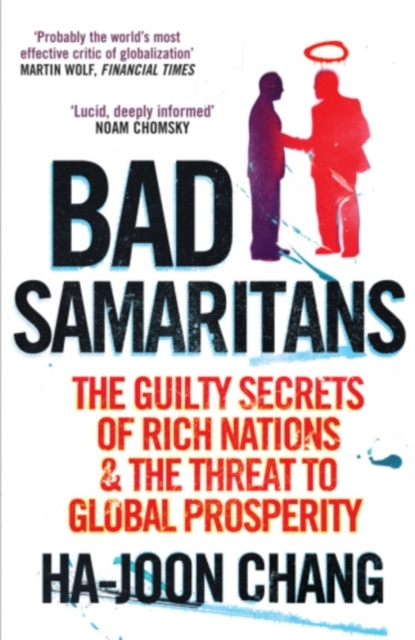
It's rare that a book appears with a fresh perspective on world affairs, but renowned economist Ha-Joon Chang has some startlingly original things to say about the future of globalization.
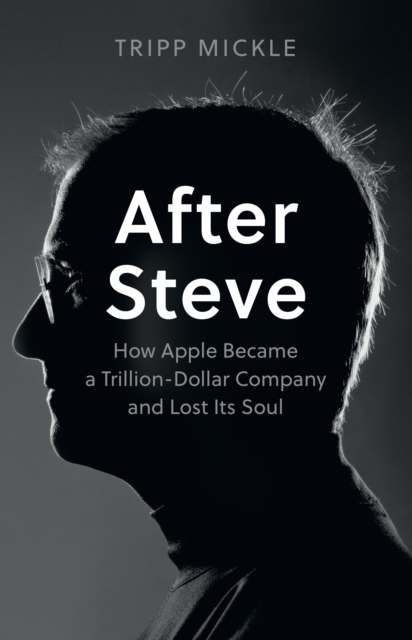
From the Wall Street Journal's Tripp Mickle, the dramatic, untold story inside Apple after the passing of Steve Jobs by following his top lieutenants-Jony Ive, the Chief Design Officer, and Tim Cook, the COO-turned-CEO-and how the fading of the former and the rise of the latter led to Apple losing its soul.
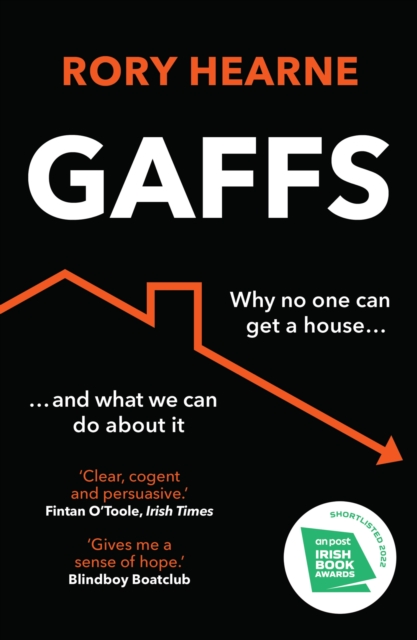
The book that has been waiting to be written - how Ireland's housing policy has locked an entire generation out of the housing market and what we should do about it.
From the acclaimed author of The Box, a new history of globalization that shows us how to navigate its futureGlobalization has profoundly shaped the world we live in, yet its rise was neither inevitable nor planned.
A Richer Life: How Economics Can Change the Way We Think and Feel by Philip Roscoe is a radical, inspiring, agenda-setting critique that shows how economics invades our most intimate decisions, and what the real alternatives might be.
From Paul Mason, the award-winning Channel 4 presenter, Postcapitalism is a guide to our era of seismic economic change, and how we can build a more equal society.
From Naomi Klein, author of the #1 international bestsellers, The Shock Doctrine and No Logo, a must-read on how the climate crisis needs to spur transformational political changeWe seem to have given up on any serious effort to prevent catastrophic climate change.
Written with an economist's brain and a soccer writer's skill, Soccernomics applies high-powered analytical tools to everyday soccer topicsSoccernomics is a revolutionary new way of looking at soccer that has helped to change the way the sport is played.
'A very important book about one of the last social taboos - with fascinating implications for us all' Helena Kennedy, QCA groundbreaking book in which Dorothy Rowe brings her insight and wisdom to the fascinating subject of money and its place in our lives.
Originally published in 1914, The Ragged Trousered Philanthropists is a timeless story of socialism, political awakenings and class struggle, told with a volatile mix of heartfelt rage and sly humour.
Become fluent in the language of money and advance of your financial goals with this clear, straightforward guide to essential definitions and easy-to-understand explanations of all the economic terminology you need to know.
***SHORTLISTED FOR FT & MCKINSEY BUSINESS BOOK OF THE YEAR 2020*** FT Best books of 2020: Business 'In a world on fire, status quo is not a great option.
The founder and executive chairman of the World Economic Forum on how the impending technological revolution will change our livesWe are on the brink of the Fourth Industrial Revolution.
The return of the best-selling, award-winning economist extraordinaireWith the same powerful evidence, and range of reference, as his global bestseller Capital in the Twenty-First Century - and in columns of 700 words, rather than 700 pages - Chronicles sets out Thomas Piketty's analysis of the financial crisis, what has happened since and where we should go from here.
'If you are curious about what the financial G tterd mmerung might look like you've certainly come to the right place' ForbesFinancial expert, investment advisor and New York Times bestselling author James Rickards reveals how the global elite are darkly concealing a coming catastrophe from investors, whilst protecting themselves from the fallout.
The Penguin Economist Special reports delve into the most pressing economic issues of the day: from national and global economies, to the impact of trade, industry and jobs.
The Penguin Economist Special reports delve into the most pressing economic issues of the day: from national and global economies, to the impact of trade, industry and jobs.
"e;Uses a combination of great stories and thoughtful analysis to suggest that we must find a way to change the purpose of our corporations if we are to build a society that works for all of us.
From Nobel Prize-winning economist and bestselling author Joseph Stiglitz, this account of the dangers of free market fundamentalism reveals what has gone so wrong, but also shows us a way out.
On the eve of a landmark general election, Ruchir Sharma offers an unrivalled portrait of how India and its democracy work, drawn from his two decades on the road chasing election campaigns across every major state, travelling the equivalent of a lap around the earth.