This book addresses a selection of major topics in family businesses, namely 'managerialization' and 'professionalization', succession, internationalization, access to financial markets, and how governance and control systems can help family firms respond to common problems inherent in the business.
This textbook presents concepts and applications of Management Accounting, one of the main approaches used by management to support future organisational performance.
This book addresses the considerations and factors that accounting professionals should take into account when pivoting from practice to higher education, think tanks, or other non-practitioner roles.
This book analyses the role of public sector accounting, and the relevance of accounting frameworks, in assisting financially sustainable policy making.
This book approaches the question of the relation between financial crises and earnings management from two philosophical perspectives: positivism and critical realism.
Focusing on the controlling management method, this book considers the conditions that must be met within a given organization in order for controlling to achieve the desired level of product quality, allowing it to enhance the performance of the organization as a whole.
This book provides a critical analysis of the current state of knowledge on the relationship between family firms and a wide range of accounting choices, including earnings management, accounting conservatism, and financial and non-financial disclosure.
This book investigates the going-concern principle in the non-financial disclosure by companies in the international scenario proposing concepts and challenges to come.
This book is based on the comprehensive grasp and analysis of the financial data of Zhongguancun listed companies (ZLCs), and in-depth observations by ZLCA for many years.
El libro presenta los resultados de investigación sobre activos intangibles en un grupo de empresas ubicadas en el Parque Tecnológico de la Ciudad de Cali, Colombia.
Financial Accounting and Reporting: An International Approach is an adaptation of McGraw-Hill Australias bestselling financial accounting text Australian Financial Accounting by Craig Deegan, authored by Anne Marie Ward of Ulster University.
The second edition of Financial Accounting and Reporting by John McKeith and Bill Collins has been fully updated to reflect the latest International Accounting Standards as well as explaining the effects of exposure drafts in issue.
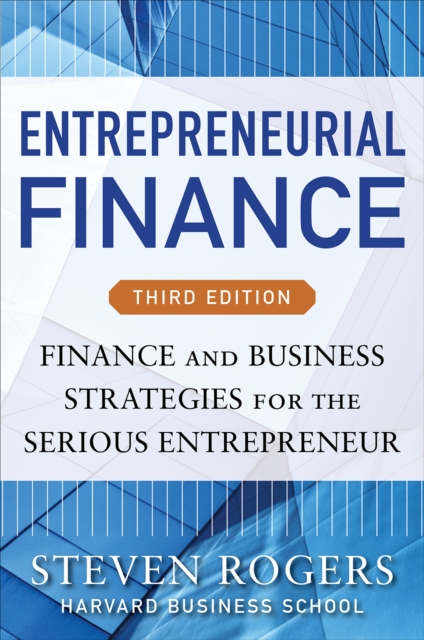
The premier guide to setting up and managing your business's financesWhatever business you run or plan to launch, Entrepreneurial Finance provides the essential tools and know-how you need to build a sturdy foundation that will support it for many years to come.
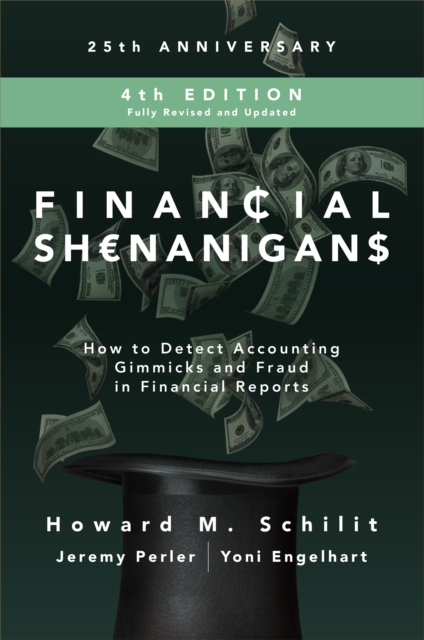
The bestselling classic from the "e;Sherlock Holmes of Accounting"e;-updated to reflect key case studies from the past quarter century and the dishonest tactics used to mislead investors.
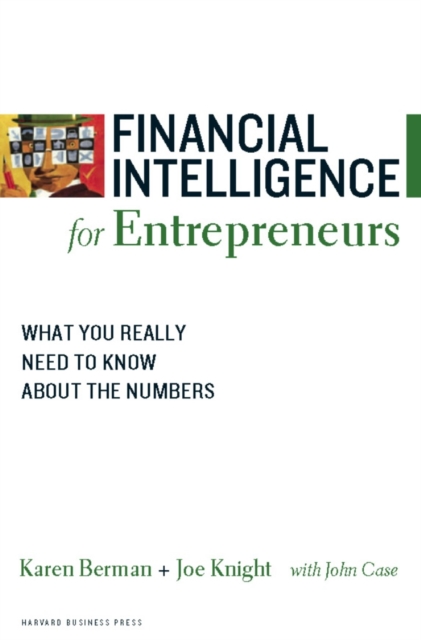
Using the groundbreaking formula they introduced in their book Financial Intelligence: A Manager's Guide to Knowing What the Numbers Really Mean, Karen Berman and Joe Knight present the essentials of finance specifically for entrepreneurial managers.
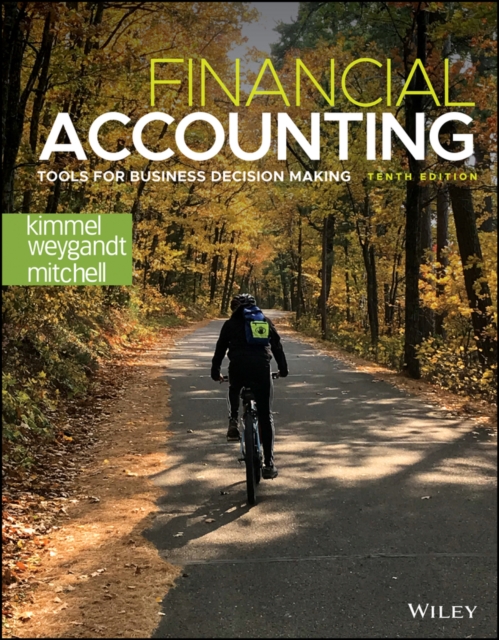
Financial Accounting: Tools for Business Decision Making by Paul Kimmel, Jerry Weygandt, and Jill Mitchell provides a practical introduction to financial accounting with a focus on how to use accounting information to make business decisions.
The existence and persistence of high profile alleged financial statement fraud (FSF) have negatively affected the safety and soundness of financial markets and investors confident in public financial information.
Demonstrating high quality theoretical and empirical findings in the areas of Islamic finance, banking, entrepreneurship, insurance, capital market, Islamic leadership, and Halal marketing, this new work includes topics on consumer perception, services orientation, new product development, risk management, industry readiness for better customer satisfaction, and policy issues coupling strategy and best practices.
The revolutionary effects of using accounting information systems by displacing manual information systems in the private and public sectors cannot be overstated.