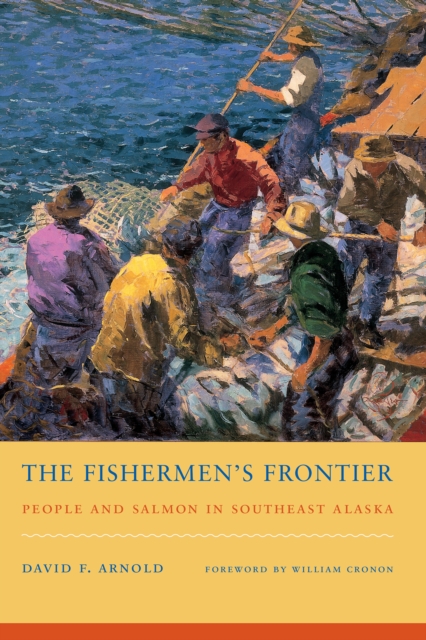
In The Fishermen's Frontier, David Arnold examines the economic, social, cultural, and political context in which salmon have been harvested in southeast Alaska over the past 250 years.
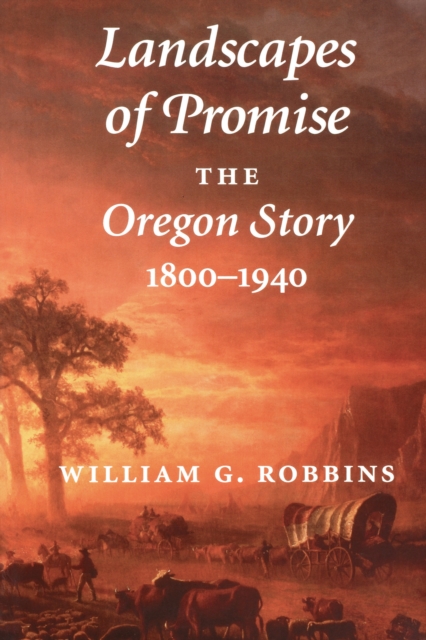
Landscapes of Promise is the first comprehensive environmental history of the early years of a state that has long been associated with environmental protection.
In its infancy, the movement to protect wilderness areas in the United States was motivated less by perceived threats from industrial and agricultural activities than by concern over the impacts of automobile owners seeking recreational opportunities in wild areas.
In the first decades of the twentieth century, fish in the Great Lakes and Puget Sound, seals in the North Pacific, and birds across North America faced a common threat: over harvesting that threatened extinction for many species.
From the interactive clockwork world of geology, tides, Northwest weather, and snow, to the hidden roles of dirt, stream life, and mosses and lichens, Pulitzer Prize winning writer William Dietrich explores the natural splendors of the Pacific Northwest.
From deserts to ghost towns, from national forests to California bungalows, many of the features of the western American landscape are well known to residents and travelers alike.
This is a rich and many-faceted personal and business biography of the main figure in the third generation of Weyerhaeusers, who led the Weyerhaeuser Timber Company through the difficult and decisive years from 1933 to 1956.
Wilderness in National Parks casts light on the complicated relationship between the National Park Service and its policy goals of wilderness preservation and recreation.
In this lively account of one [fire] season, Pyne introduces us to the tightly knit world of a fire crew, to the complex geography of the North Rim, to the technique and changing philosophy of fire management.
From prehistory to the present-day conservation movement, Pyne explores the efforts of successive American cultures to master wildfire and to use it to shape the landscape.
Howard Zahniser (19061964), executive secretary of The Wilderness Society and editor of The Living Wilderness from 1945 to 1964, is arguably the person most responsible for drafting and promoting the Wilderness Act in 1964.
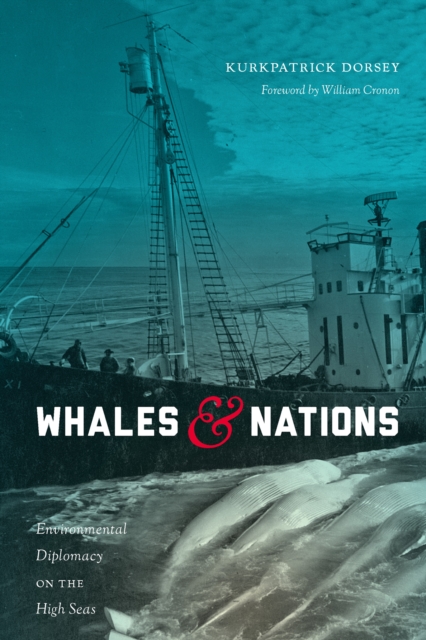
Before commercial whaling was outlawed in the 1980s, diplomats, scientists, bureaucrats, environmentalists, and sometimes even whalers themselves had attempted to create an international regulatory framework that would allow for a sustainable whaling industry.
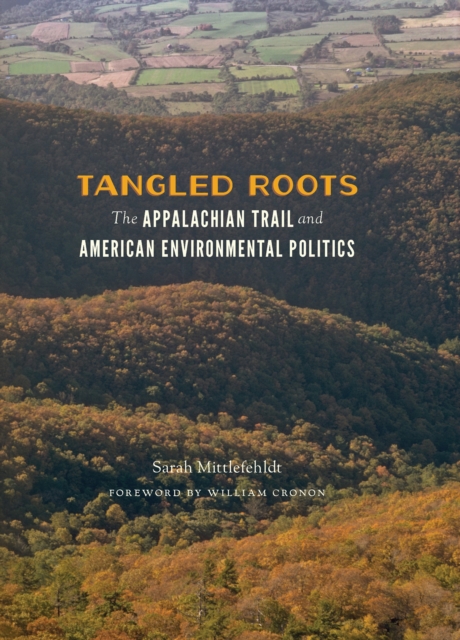
The Appalachian Trail, a thin ribbon of wilderness running through the densely populated eastern United States, offers a refuge from modern society and a place apart from human ideas and institutions.
From tenements to alleyways to latrines, twentieth-century American cities created spaces where pests flourished and people struggled for healthy living conditions.
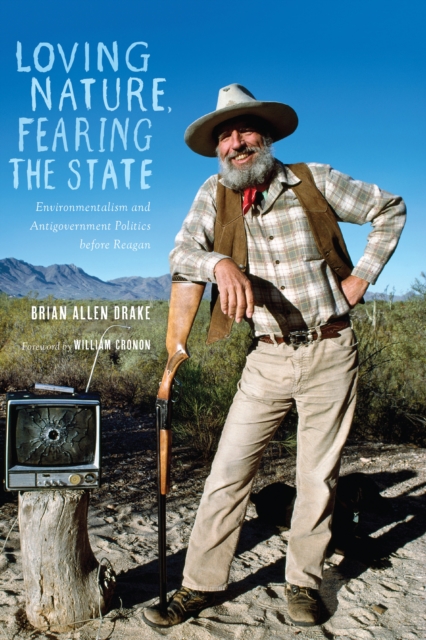
A "e;conservative environmental tradition"e; in America may sound like a contradiction in terms, but as Brian Allen Drake shows in Loving Nature, Fearing the State, right-leaning politicians and activists have shaped American environmental consciousness since the environmental movement's beginnings.
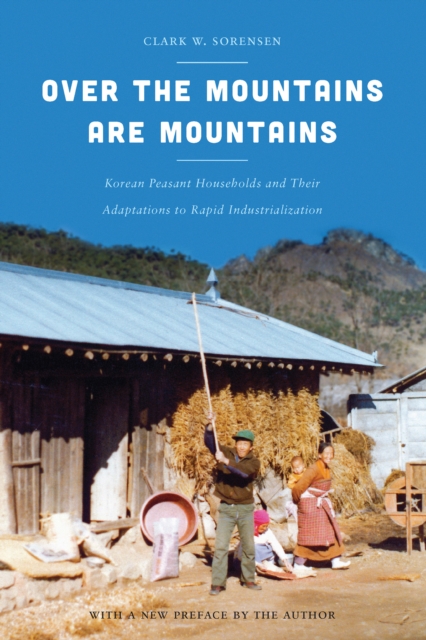
Clark Sorensen presents a description of the economic and ecological organization of rural Korean domestic groups and an analysis of their adaption to the changes brought about by Korea's rapid industrialization.
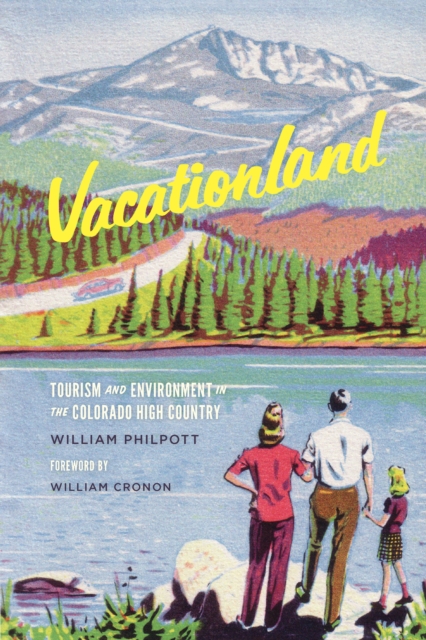
Winner of the Western Writers of America 2014 Spur Award for Best Western Nonfiction, ContemporaryMention the Colorado high country today and vacation imagery springs immediately to mind: mountain scenery, camping, hiking, skiing, and world-renowned resorts like Aspen and Vail.
When a mining claim on a crumbling cliff of burnt-rose quartzite lured naturalist Jack Nisbet to the northeastern corner of Washington State in 1970, he began a search for an understanding of that open country through stories about the people who lived there and the everyday events he shared with them.
Winner of the 2014 Albert Corey Prize from the American Historical AssociationWinner of the 2013 Hal Rothman Award from the Western History AssociationWinner of the 2013 John Lyman Book Award in the Naval and Maritime Science and Technology category from the North American Society for Oceanic HistoryFor centuries, borders have been central to salmon management customs on the Salish Sea, but how those borders were drawn has had very different effects on the Northwest salmon fishery.
From Denali's majestic slopes to the Great Swamp of central New Jersey, protected wilderness areas make up nearly twenty percent of the parks, forests, wildlife refuges, and other public lands that cover a full fourth of the nation's territory.
In the dramatic narratives that comprise The Republic of Nature, Mark Fiege reframes the canonical account of American history based on the simple but radical premise that nothing in the nation's past can be considered apart from the natural circumstances in which it occurred.
Conservation was the first nationwide political movement in American history to grapple with environmental problems like waste, pollution, resource exhaustion, and sustainability.
Harvey details the first major clash between conservationists and developers after World War II, the successful fight to prevent the building of Echo Park Dam.
2011 Outstanding Title, University Press Books for Public and Secondary School LibrariesWinner of the Pacific Northwest Booksellers Association AwardBefore Forks, a small town on Washingtons Olympic Peninsula, became famous as the location for Stephenie Meyers Twilight book series, it was the self-proclaimed Logging Capital of the World and ground zero in a regional conflict over the fate of old-growth forests.
Forests of Belonging examines the history and ongoing transformation of ethnic and social relationships among four distinct communities--Bangando, Baka, Bakwle, and Mbomam--in the Lobk forest region of southeastern Cameroon.
Iceland, Greenland, Northern Norway, and the Faroe Islands lie on the edges of Western Europe, in an area long portrayed by travelers as remote and exotic - its nature harsh, its people reclusive.
The Apostle Islands are a solitary place of natural beauty, with red sandstone cliffs, secluded beaches, and a rich and unique forest surrounded by the cold, blue waters of Lake Superior.
Margaret Elley Felts autobiographical Gyppo Logger, originally published in 1963, tells a story almost universally overlooked in the history of the logging industry: the emergence of family-based, independent contract or "e;gyppo"e; loggers in the post-World War II timber economy, and the crucial role of women within that economy.
Winner of the 2012 George Perkins Marsh Prize for Best Book in Environmental HistoryIn the twentieth century, the Mekong Delta has emerged as one of Vietnams most important economic regions.