The Libyan Oil Industry (1980) gives a narrative and analysis of the economic consequences of the discovery and production of oil in Libya, from the searches for oil by the major oil companies to the establishment of Libya as one of the main exporters in the world.
Oil and Development in the Arab Gulf States (1985) brings together in one volume the manifold sources of information on the Arab Gulf region, especially the impact of oil revenues on its economic, political and social development.
Oil and Development in the Arab Gulf States (1985) brings together in one volume the manifold sources of information on the Arab Gulf region, especially the impact of oil revenues on its economic, political and social development.
Oil Companies in the International System (1978) provides an original and wide-ranging examination of the impact that the leading oil companies have had on international relations.
The Libyan Oil Industry (1980) gives a narrative and analysis of the economic consequences of the discovery and production of oil in Libya, from the searches for oil by the major oil companies to the establishment of Libya as one of the main exporters in the world.
Oil Companies in the International System (1978) provides an original and wide-ranging examination of the impact that the leading oil companies have had on international relations.
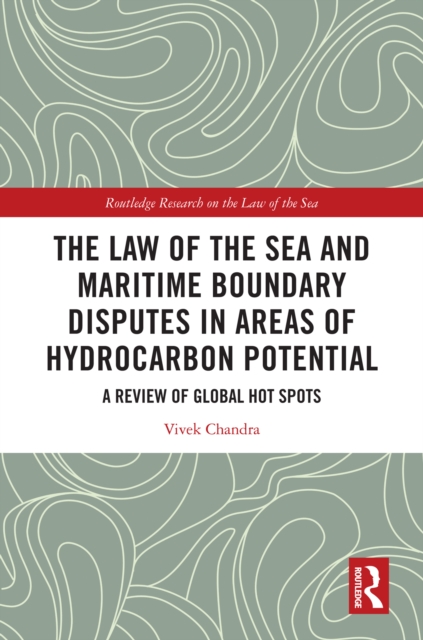
The United Nations Convention on the Law of Sea ('UNCLOS') is hailed as one of the most significant multilateral legal agreements executed in the past few decades.
The United Nations Convention on the Law of Sea ('UNCLOS') is hailed as one of the most significant multilateral legal agreements executed in the past few decades.
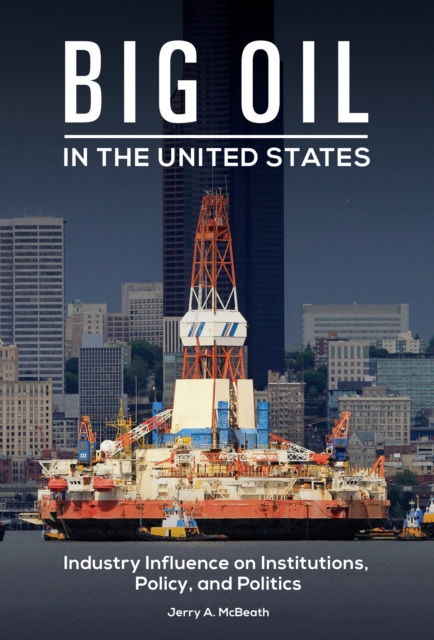
This book explains how and why large oil-producing corporations have affected government institutions, energy policy, and politics in the United States-and suggests how their influence can be reduced.
Since Tsarist times, Russia's leaders, rather than pursue economic growth for its own sake, have sought control over economic activity as a means to manage their own support base, respond to perceived security threats and to facilitate their wider geopolitical ambitions.
This book analyzes the expanding oil and gas activities in the Arctic from the perspective of Sustainable Development (SD) and Corporate Social Responsibility (CSR).
Contemporary life is founded on oil - a cheap, accessible, and rich source of energy that has shaped cities and manufacturing economies at the same time that it has increased mobility, global trade, and environmental devastation.
Contemporary life is founded on oil - a cheap, accessible, and rich source of energy that has shaped cities and manufacturing economies at the same time that it has increased mobility, global trade, and environmental devastation.
Since Tsarist times, Russia's leaders, rather than pursue economic growth for its own sake, have sought control over economic activity as a means to manage their own support base, respond to perceived security threats and to facilitate their wider geopolitical ambitions.
The oil and gas industry is a complex sector with significant reach in terms of providing the energy needs of the global economy and the security, environmental and development consequences thereof.
The oil and gas industry is a complex sector with significant reach in terms of providing the energy needs of the global economy and the security, environmental and development consequences thereof.
The Enigma of Soviet Petroleum (1980) provides an analysis of the relevance of the Soviet planning system to oil production levels: why it is that planning has been the source of so many petroleum industry problems, and the nature of the measures that are being taken to overcome them.
The Enigma of Soviet Petroleum (1980) provides an analysis of the relevance of the Soviet planning system to oil production levels: why it is that planning has been the source of so many petroleum industry problems, and the nature of the measures that are being taken to overcome them.
The untold story of how Exxon, Mobil, Chevron, and Texaco teamed up with the CIA and Department of State to thwart the plans of Greek shipping magnate Aristotle Onassis, who almost managed to reshape the Middle East.
Few issues in international affairs and energy security animate thinkers more than the classic topic of hegemony, and the case of the Persian Gulf presents particularly fertile ground for considering this concept.
The fossil fuel industry and many environmental groups tout hydraulic fracturing fracking as a panacea, with slick promises of energy independence, greenhouse gas reductions, and benefits to local economies.
First Published in 1984, Arab Petro-Politics argues that oil is important to Arab world both as an instrument for economic development and as an element of political influence.
First Published in 1984, Arab Petro-Politics argues that oil is important to Arab world both as an instrument for economic development and as an element of political influence.
There are few areas of economic policy-making in which the returns to good decisions are so high-and the punishment of bad decisions so cruel-as in the management of natural resource wealth.
China is among a number of large developing country or new powers on the ascendance in the international system, all of which are deepening their economic relations with Africa However, China is the largest and most powerful of this group.
This book is an introduction to oil and gas designed to be both accessible to absolute beginners who know nothing about the subject, and at the same time interesting to people who work in one area (such as drilling or seismic exploration) and would like to know about other areas (such as production offshore, or how oil and gas were formed, or what can go wrong).