The book reveals the interconnection between social, cultural and political protest movements and social and economic changes in a post-communist country like Russia still dominated by bureaucratic rulers and "e;oligarchs"e; controlling all basic industries and mining activities.
The book reveals the interconnection between social, cultural and political protest movements and social and economic changes in a post-communist country like Russia still dominated by bureaucratic rulers and "e;oligarchs"e; controlling all basic industries and mining activities.
During the past century, scientists, world statesmen, and international entrepreneurs have become increasingly aware of the potential of the oceans as a source of minerals.
During the past century, scientists, world statesmen, and international entrepreneurs have become increasingly aware of the potential of the oceans as a source of minerals.
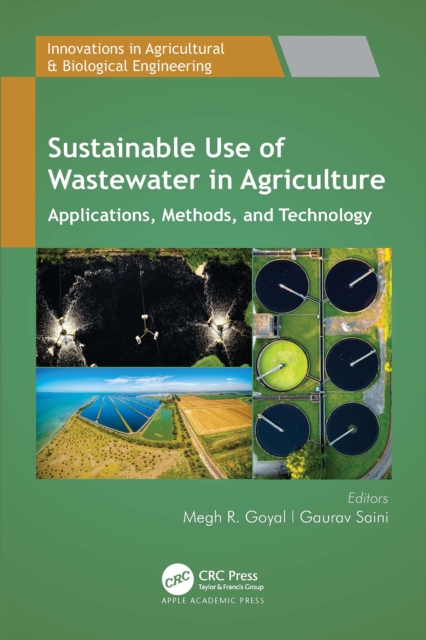
Water is an essential resource for agriculture, but harvesting water for irrigation is a major issue for farmers in developing and underdeveloped countries.
Recent upheaval in the global energy system - dramatic increases in demand led largely by developing countries, significant decreases in supply as a result of local or regional conflicts, and the growing nexus between the burning of hydrocarbons and climate change - has unsettled long-held notions of energy security.
Recent upheaval in the global energy system - dramatic increases in demand led largely by developing countries, significant decreases in supply as a result of local or regional conflicts, and the growing nexus between the burning of hydrocarbons and climate change - has unsettled long-held notions of energy security.
Building on original research into the petroleum industry and on the theory of crimes of globalization, this book introduces the concept of Market Criminology: the criminology of preventable market-generated harms and the criminogenic effects of market rationality in variegated forms of capitalism.
Energy Markets in Emerging Economies addresses current key issues, new opportunities, and various growth strategies relating to the energy markets in key emerging economies.
Energy Markets in Emerging Economies addresses current key issues, new opportunities, and various growth strategies relating to the energy markets in key emerging economies.
First published in 1983, this book provides a detailed look at the OPEC nations' changing roles in the world oil market as they expanded their participation in "e;downstream"e; activities such as the hydrocarbon industries formerly controlled by the major oil companies.
First published in 1983, this book provides a detailed look at the OPEC nations' changing roles in the world oil market as they expanded their participation in "e;downstream"e; activities such as the hydrocarbon industries formerly controlled by the major oil companies.
In recent years, natural gas has become a major source of energy, with trade across borders increasing through both pipelines and as Liquefied Natural Gas (LNG).
In recent years, natural gas has become a major source of energy, with trade across borders increasing through both pipelines and as Liquefied Natural Gas (LNG).
Over the last decade, the oil and gas industry has garnered a lot of support from the United States federal and state governments in the name of energy independence and economic prosperity.
Over the last decade, the oil and gas industry has garnered a lot of support from the United States federal and state governments in the name of energy independence and economic prosperity.
Exploring the thorny issues of industrial organisation, competition policy and liberalization in the Asia-Pacific region, this book examines the ways in which governments regulate business.
Exploring the thorny issues of industrial organisation, competition policy and liberalization in the Asia-Pacific region, this book examines the ways in which governments regulate business.
In this second edition of Privatization, Regulation and Deregulation, the author has updated and augmented the original material to take account of developments over the last 5 years.
In this second edition of Privatization, Regulation and Deregulation, the author has updated and augmented the original material to take account of developments over the last 5 years.
The Caribbean countries of Jamaica, Barbados and Trinidad-Tobago represent excellent examples of the increasingly important role played by Foreign Direct Investment (FDI) in less developed, micro-economies.
The Caribbean countries of Jamaica, Barbados and Trinidad-Tobago represent excellent examples of the increasingly important role played by Foreign Direct Investment (FDI) in less developed, micro-economies.
Any understanding of the complex politics of the post-Soviet Caucasus presupposes an understanding of the relationship between the transportation of Azerbaijan's oil, inter-state relations and ethnic conflicts.
Any understanding of the complex politics of the post-Soviet Caucasus presupposes an understanding of the relationship between the transportation of Azerbaijan's oil, inter-state relations and ethnic conflicts.
Approaching Central Asia from the perspective of geopolitics, transition, oil and stability, the authors provide a very broad and diverse analysis of the region, examining domestic and international developments since 1991.
Approaching Central Asia from the perspective of geopolitics, transition, oil and stability, the authors provide a very broad and diverse analysis of the region, examining domestic and international developments since 1991.
Based on extensive original research, Globalisation, Transition and Development inChina explains China's development strategy and its underlying forces, and the success of this strategy.
Based on extensive original research, Globalisation, Transition and Development inChina explains China's development strategy and its underlying forces, and the success of this strategy.
Marine resources and fish stocks are now high on the international and economic research agendas, and the management of highly complex marine ecosystems is increasingly important.