Post-Revolutionary Nicaragua: State, Class, and the Dilemmas of Agrarian Policy offers a penetrating analysis of the challenges faced by the Sandinista regime following the overthrow of the Somoza dynasty in 1979.
Post-Revolutionary Nicaragua: State, Class, and the Dilemmas of Agrarian Policy offers a penetrating analysis of the challenges faced by the Sandinista regime following the overthrow of the Somoza dynasty in 1979.
Collective Bargaining and Productivity: The Longshore Mechanization Agreement provides a meticulous analysis of the transformative effects of collective bargaining on productivity within the Pacific Coast longshore industry.
The New Deal Collective Bargaining Policy offers a meticulously detailed exploration of the transformative labor policies that emerged during the early years of Franklin D.
Rise of the Labor Movement in Los Angeles by Grace Heilman Stimson recovers the largely neglected early history of organized labor in southern California, situating the city's unions within the broader trajectory of American labor and industrial relations.
Rise of the Labor Movement in Los Angeles by Grace Heilman Stimson recovers the largely neglected early history of organized labor in southern California, situating the city's unions within the broader trajectory of American labor and industrial relations.
The New Deal Collective Bargaining Policy offers a meticulously detailed exploration of the transformative labor policies that emerged during the early years of Franklin D.
The Managing Stress Practice Manual, 2nd ed, provides the ideal stress management tool for practitioners across the public sector and professionals at all levels in business and management.
High Integrity Systems and Safety Management in Hazardous Industries, Second Edition serves as an overview of best practices as applied to high integrity systems, including their design, maintenance, regulation, and detailed guidance surrounding safety management processes.
Ergonomics and human factors is the discipline concerned with the application of scientifc knowledge to improve people's interaction with products, systems and environments.
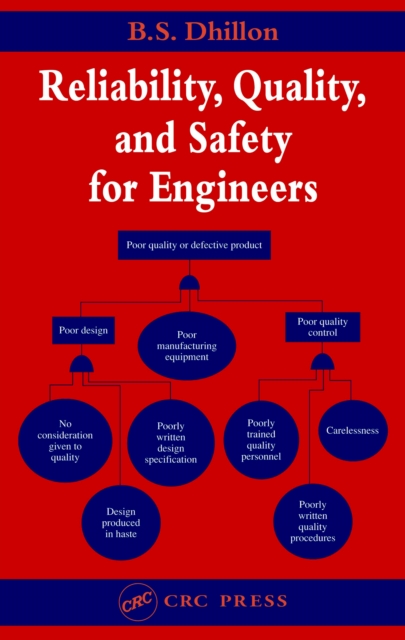
Due to global competition, safety regulations, and other factors, manufacturers are increasingly pressed to create products that are safe, highly reliable, and of high quality.
Industrial Action (1976), written by an experienced active trade unionist, brings valuable real-world examples to an examination of the many facets of trade union organising.
Industrial Safety and Health for People-Oriented Services focuses on the safety requirements of the tertiary sector of industry's education, health, and hospitality services.
The International Mining Forum is a meeting of scientists and professionals for exchanging new ideas and experiences, evaluate previously implemented solutions, and discuss fresh ideas that might change the mining industry's image.
Occupational Safety and Hygiene presents selected papers from the International Symposium on Occupational Safety and Hygiene , SHO2013 (Guimar,, Portugal, 14-15 February 2013), which was organized by the Portuguese Society for Occupational Safety and Hygiene (SPOSHO).
Planning and Productivity in Sweden (1976) examines the success of Sweden's economy and working arrangements, detailing how a resource-poor nation came to achieve such high living standards.
Meeting the needs of the manufacturing and service sectors of contemporary industry, this volume is concerned with the human factors, ergonomics, and safety issues related to the design of products, processes, and systems, as well as the operation and management of business enterprises.
In an approach that combines coverage of safety and human error into a single volume, Safety and Human Error in Engineering Systems eliminates the need to consult many different and diverse sources for those who need information about both topics.
This exceptional guidebook provides the strategies necessary to curtail ergonomic losses and costs associated with spiraling worker's compensation premiums and medical expenses, of major concern in all businesses.
Industrially developing countries have the largest populations, the highest levels of poverty, poor health, and illiteracy, and the greatest need for improvement in working conditions.
For the past decade, the rapid development of the ergonomics disciplines as well as the fast growing economy in the Asian region have been attracting the attention of the international ergonomics community.
Identifying current tools, techniques, and approaches for the evaluation of laboratory operations, this reference reviews the latest regulatory standards and auditing practices to test laboratory safety, quality, and performance.
Industrial Action (1976), written by an experienced active trade unionist, brings valuable real-world examples to an examination of the many facets of trade union organising.
An in depth review of social ergonomics- also known as organizational ergonomics- this book discusses the optimization of sociotechnical systems, including their organizational structures, policies, and processes.
Based on recent research, this book discusses physical ergonomics, which is concerned with human anatomical, anthropometric, physiological and biomechanical characteristics as they relate to physical activity.
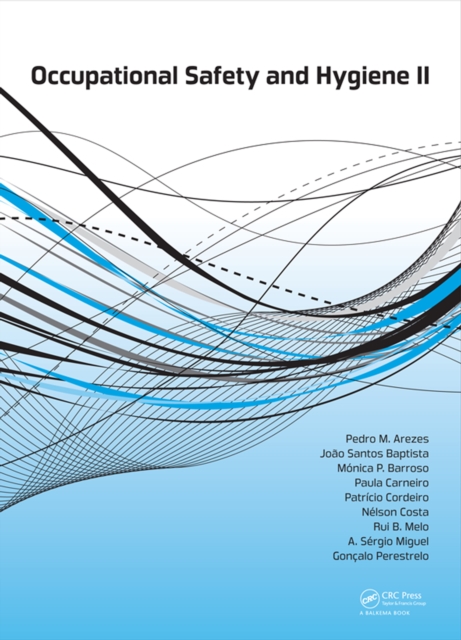
Occupational Safety and Hygiene II contains selected papers from the International Symposium on Occupational Safety and Hygiene (SHO2014, Guimar Portugal, 13-14 February 2014), which was organized by the Portuguese Society for Occupational Safety and Hygiene (SPOSHO).
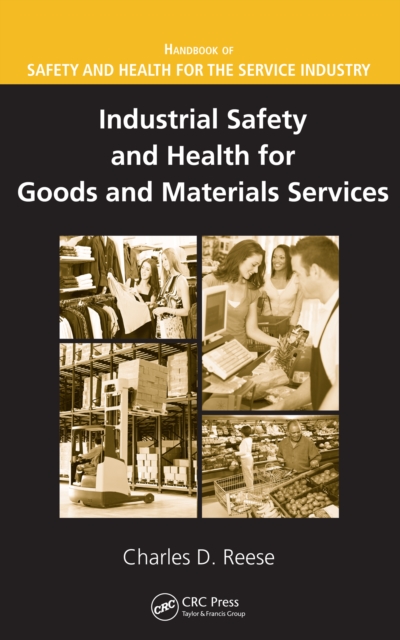
Industrial Safety and Health for Goods and Materials Services focuses on the safety requirements of the wholesale and retail trades, including warehousing.
Planning and Productivity in Sweden (1976) examines the success of Sweden's economy and working arrangements, detailing how a resource-poor nation came to achieve such high living standards.
This book aims to provide a systematic approach to the design, assessment, operation, and maintenance of safety barriers that are used for preventing accidents and protecting humans, equipment, and the environment.
Managing Violence in the Workplace is a prescription that contains many lists of "e;do's"e; and "e;don'ts"e; and "e;how to's"e; for proactive and reactive responses to workplace violence.
Now in its fourth edition, Occupational Hearing Loss delivers a complete overview of the hazards of occupational noise exposure, causes of hearing loss, testing of hearing, criteria to distinguish occupational hearing loss, and more.
Staff Relations in the Civil Service (1973) describes the origins of the Civil Service National Whitley Council, the growing pains it endured in its early years, its major achievements and the role it played in industrial relations between staff in the civil service and their employers, the British Government.
The rail human factors/ergonomics community has grown quickly and extensively, and there is much increased recognition of the vital importance of ergonomics/human factors by rail infrastructure owners, rail operating companies, system developers, regulators and national and trans-national government.
This book is a first-of-its-kind critical interdisciplinary introduction to the economic, political, cultural, and technological dimensions of work in the rapidly growing digital media and entertainment industries (DMEI).
An encyclopedic, A-Z listing of terminology, Loss Prevention and Safety Control: Terms and Definitions addresses the need for a comprehensive reference that provides a complete and sufficient description of the terminology used in the safety/loss prevention field.
OSHA frequently requires companies to implement the type of program promoted in Cumulative Trauma Disorders, the first and only book to address both the medical and ergonomic aspects of cumulative trauma.